


The Fading Allure of Foreign Flora
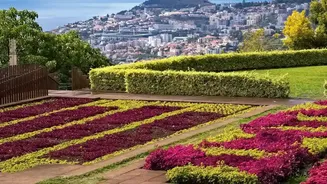
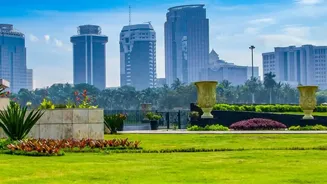
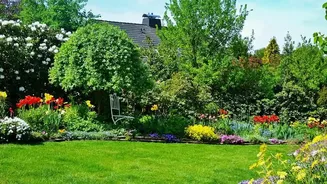
For decades, the mark of a stylish urban garden in India was its collection of exotic species. Manicured lawns, vibrant petunias, and elegant-but-thirsty foreign shrubs were seen as symbols of sophistication. However, maintaining these plants in India's
diverse and often harsh climates requires significant effort. They demand more water, are susceptible to local pests, and often need chemical fertilisers to thrive. This high-maintenance relationship is starting to lose its appeal for the modern, eco-conscious, and often time-poor urban resident. Furthermore, many of these non-native species offer little to no value to the local ecosystem, acting as decorative but sterile additions to the environment.
The Rise of the Native Plant
The shift towards native plants is driven by a powerful mix of environmental awareness, practicality, and a renewed appreciation for local heritage. Gardeners are discovering that plants that have evolved in their specific region are naturally better suited to the local climate and soil. This means they are more resilient, require less intervention, and are often more affordable. Once established, native species need less water, a crucial benefit in a country facing water scarcity. They are also naturally resistant to local pests and diseases, reducing the need for chemical pesticides that can harm the environment and human health. This trend is not just about gardening; it’s about creating a more sustainable and authentic living space that reflects a sense of place.
An Oasis for Urban Wildlife
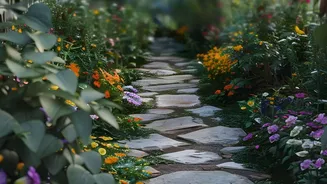
One of the most significant benefits of planting native species is the restoration of urban biodiversity. Native plants provide essential food, shelter, and breeding grounds for local wildlife, including birds, butterflies, bees, and other pollinators. An exotic ornamental might look pretty, but a native hibiscus, jasmine, or marigold creates a mini-ecosystem right on your balcony. These plants are the foundation of a local food web that has been fragmented by urbanisation. By choosing native flora, city dwellers can actively contribute to conservation, creating vital corridors and habitats for creatures that are struggling to survive in concrete jungles. Studies have shown that even small patches of native plants can significantly increase the diversity of local bird and insect populations.
Bringing India's Flora Home
So, what does this trend look like in practice? In Mumbai, a balcony might feature a fragrant Frangipani (Champa) or a Curry Leaf plant. In Delhi, homeowners might plant Neem and Peepal trees where space allows, known for their resilience and ability to attract birds. Across the country, gardeners are rediscovering the joy of plants deeply woven into India's cultural fabric, such as Tulsi (Holy Basil), various types of Jasmine (Mogra), and the vibrant blue Aparajita (Butterfly Pea). Other popular and low-maintenance choices include the hardy Sadabahar (Periwinkle), brilliant Bougainvillea, and classic Marigolds (Genda). These plants are not only beautiful but also carry cultural and even medicinal significance, reconnecting people with traditions that have valued these species for centuries.
How to Join the Movement
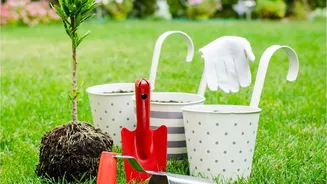
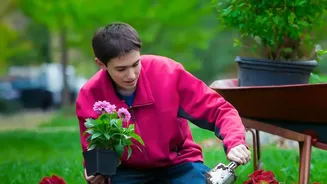
Getting started with native plants is simple. The first step is to observe your space—how much sun does it get? Is it a windy balcony or a sheltered courtyard? Start small by replacing one or two exotic plants with native alternatives. While some nurseries are still dominated by exotics, a growing number are beginning to stock local species. Don't be afraid to ask for native plants specifically. Connecting with local gardening groups or online communities can also be a great source of information and plant swaps. By choosing native species, you are not just planting a garden; you are helping to weave back a piece of the local ecological tapestry, one balcony and one backyard at a time.