







The Cultural Catalyst
It started with binge-watching K-dramas on streaming platforms and dancing to K-pop beats. The 'Hallyu' or Korean Wave has done more than just influence India's entertainment choices; it has fundamentally reshaped beauty aspirations. As Indian audiences
fell for Korean actors and idols with their luminous, 'glass skin', they also grew curious about the skincare routines behind that coveted glow. This cultural fascination served as a gateway, with social media influencers and beauty bloggers acting as guides, translating Korean beauty philosophy for an eager Indian audience. The result is a market that’s booming, with imports of Korean skincare products quadrupling since 2020 and the category projected to be worth nearly $1.5 billion by 2030 in India.
A Shared Philosophy
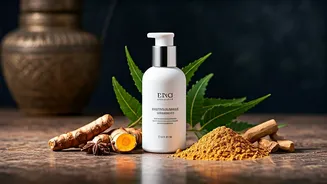
At its heart, the appeal of K-beauty in India lies in a shared core philosophy. Both traditional Indian Ayurveda and Korean skincare prioritize long-term skin health over temporary fixes. They both champion the use of natural ingredients and focus on preventive care to achieve a healthy, natural radiance. While Indian traditions have long relied on potent ingredients like turmeric, neem, and sandalwood, K-beauty introduced a treasure trove of its own natural powerhouses like green tea, rice water, and ginseng. The Korean emphasis on hydration and protecting the skin barrier, rather than aggressively treating problems, has resonated deeply with Indian consumers who are increasingly looking for gentle yet effective solutions that work with their skin, not against it.
The Best of Both Worlds
Indian consumers are not simply replacing their existing routines; they are intelligently upgrading them. The famous 10-step Korean routine, while intriguing, is often seen as impractical for a busy Indian lifestyle. Instead, a savvy 'skinimalism' approach is emerging. This involves creating a hybrid routine that picks the best elements from both worlds. It might look like using a gentle Ayurvedic cleanser followed by a hydrating Korean essence and serum, before finishing with a trusted homemade face pack on the weekend. This selective adoption shows that consumers are not just following a trend blindly. They are curating personalized routines that address specific concerns like pigmentation and environmental stress, which are common in India.
A Marriage of Ingredients
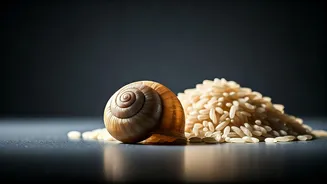
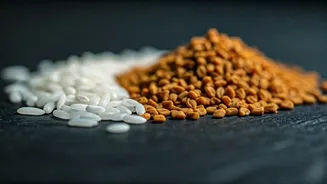
The fusion is most evident in the ingredients that are now becoming staples in Indian skincare cabinets. Ingredients once considered exotic, like snail mucin, are now celebrated for their incredible hydrating and repairing properties. Niacinamide, a K-beauty favourite, has become a go-to for addressing uneven skin tone and blemishes. Perhaps the most beautiful example of this blend is Centella Asiatica, a hero soothing ingredient in Korean products, which is known in India as Gotu Kola—an herb used in Ayurveda for centuries. Similarly, rice water, a byproduct often discarded in Indian kitchens, has been elevated to a celebrated ingredient for achieving 'glass skin', thanks to its popularity in K-beauty formulations. This exchange has enriched the Indian skincare vocabulary, offering new solutions for age-old concerns.
The Local Connection
This trend isn't just about imported goods. Recognizing the immense opportunity, several homegrown Indian beauty brands are now stepping up. Some are launching dedicated product lines that are formulated and manufactured in South Korea, leveraging their advanced R&D and technology to create products specifically suited for Indian skin types and climatic conditions. Others are incorporating popular K-beauty ingredients into their own formulations, making the trend more accessible and affordable for a wider audience, including those in tier-2 and tier-3 cities. This local adaptation ensures that the Korean upgrade is not just aspirational but also practical, allowing more people to participate in this exciting evolution of skincare.