



An Escape from the Urban Haze
Imagine leaving behind the perpetual twilight of Mumbai or Delhi, where a blanket of light and pollution obscures all but the brightest celestial bodies. You travel for hours, sometimes days, ascending into the thin, crisp air of the Himalayas or venturing
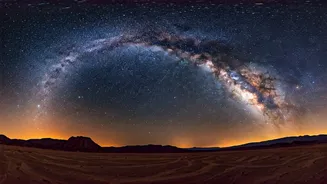
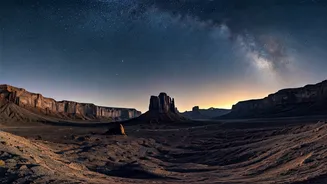
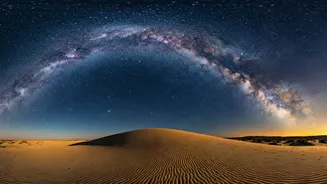
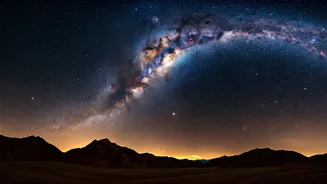
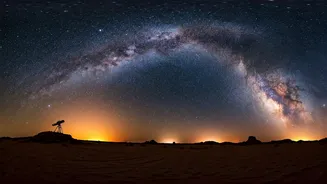
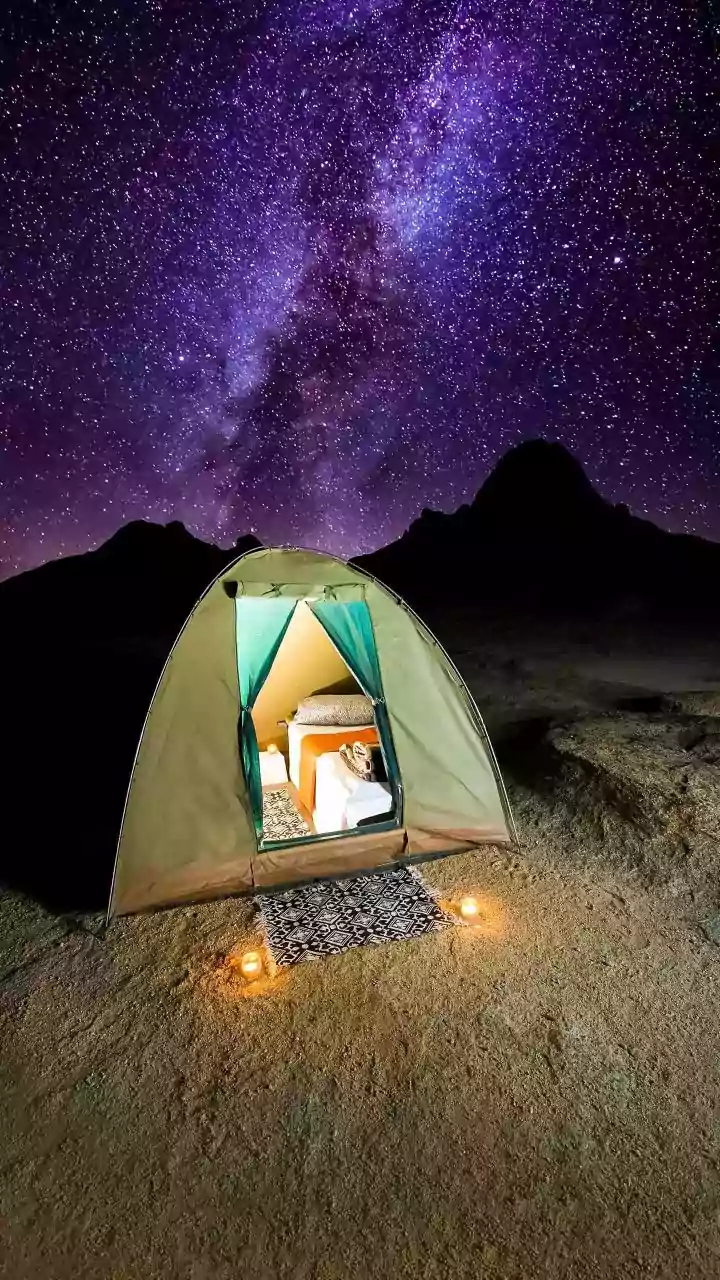
into the remote quiet of a desert. Then, as true darkness falls, you look up. The sky isn't black; it’s a tapestry of impossible detail, with the shimmering, dusty arm of the Milky Way stretching from horizon to horizon. This is the promise of astro tourism, a rapidly growing travel niche in India that has captured the imagination of a new generation.
The New Indian Traveler
The driving force behind this trend is India's young, educated, and digitally native workforce. Armed with disposable income and a worldview shaped by the internet, they are increasingly prioritizing experiences over possessions. For them, a weekend trip to a mall or a standard beach holiday is losing its appeal. Instead, they crave unique, story-worthy adventures that offer both a physical escape and a mental reset. This desire aligns perfectly with astro tourism, which offers a powerful combination of adventure, science, and profound solitude. Tour operators report that their clientele is overwhelmingly between 25 and 40, working in tech, finance, and creative industries, and looking to disconnect from their hyper-connected urban lives.
More Than Just Stargazing
While casual stargazing can happen anywhere with a dark sky, astro tourism is a more intentional pursuit. It's an organized industry complete with specialized guides, high-powered telescopes, and curated experiences. Companies like Starscapes and Astrotours are leading travelers to prime viewing locations, equipping them with the knowledge to understand what they’re seeing. A typical trip might involve a workshop on identifying constellations, a session on astrophotography to capture that perfect shot of the galaxy for Instagram, and talks that blend modern astronomy with ancient celestial folklore. It's a package that transforms a simple night under the stars into an immersive educational event.
From Himalayan Peaks to Coastal Plains
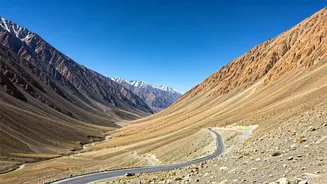
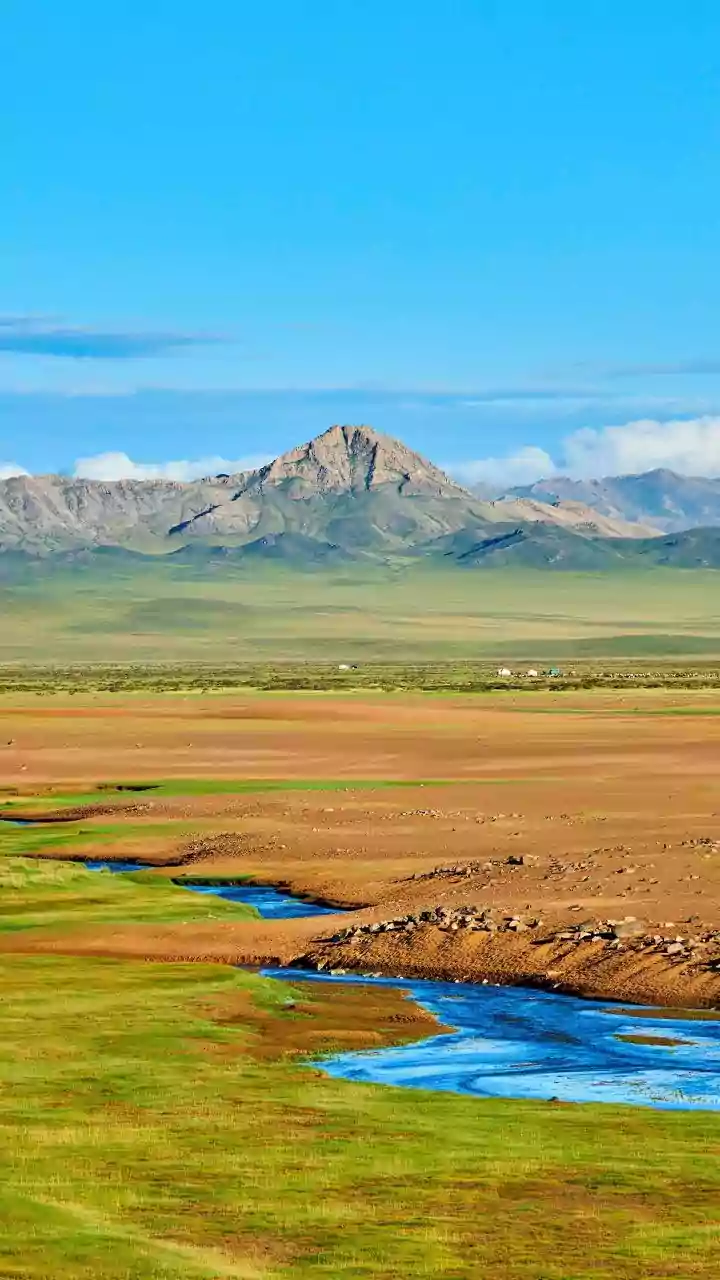
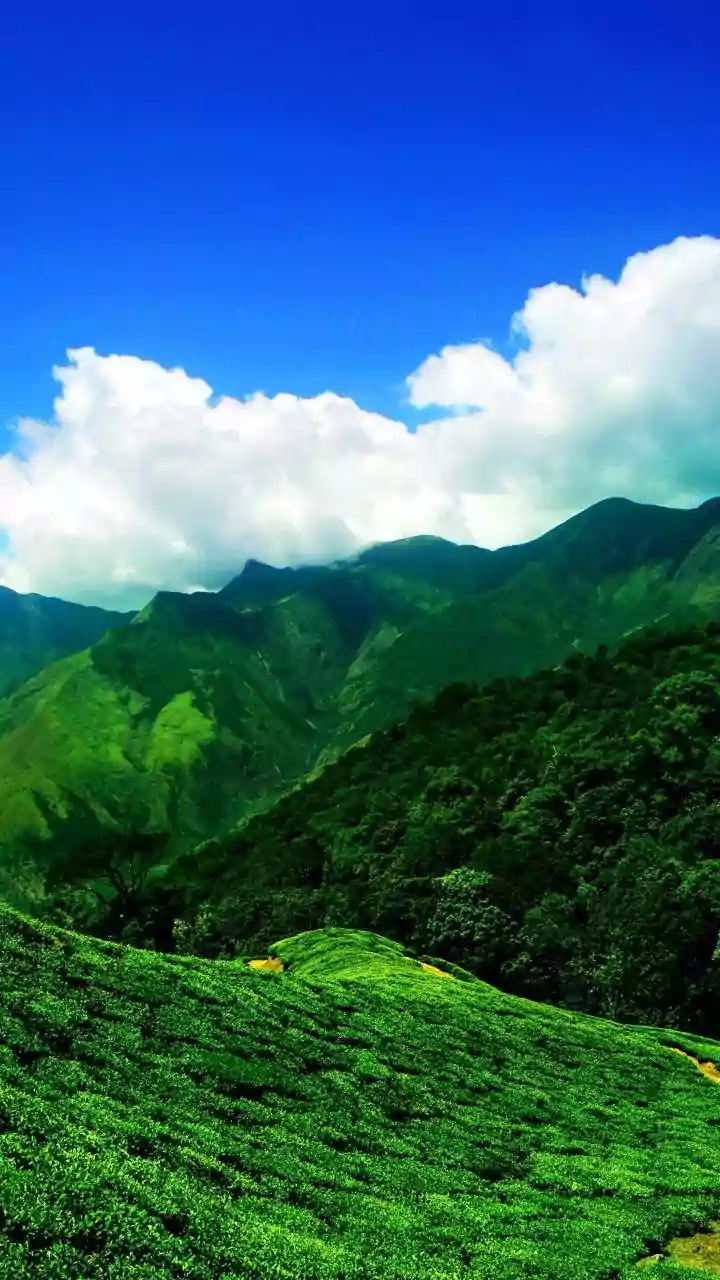
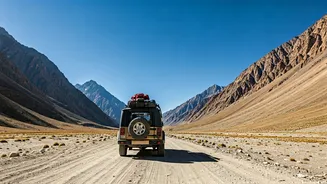
The geography of India offers a stunning variety of dark-sky destinations. The most coveted locations are in the high-altitude desert of Ladakh and the Spiti Valley in Himachal Pradesh. Here, at elevations over 10,000 feet, the dry, stable atmosphere provides unparalleled clarity, making them some of the best stargazing spots on Earth. The Hanle Dark Sky Reserve in Ladakh, India’s first, is a testament to the region's commitment to preserving its pristine nights. But the trend isn't confined to the Himalayas. Astro-camps are popping up in the salt flats of the Rann of Kutch in Gujarat, the hills of Coorg in Karnataka, and even on the outskirts of cities like Pune and Jaipur, proving that the search for the stars is a nationwide phenomenon.
A Search for Awe and Connection
Ultimately, the rise of astro tourism in India speaks to a deeper, more universal human need. In a world of constant digital noise and urban pressure, the sight of a truly dark sky offers a powerful sense of perspective. It’s a humbling reminder of our place in the cosmos and a chance to reconnect with a natural wonder that has inspired humanity for millennia. For many young Indians, it's also a way of reclaiming a part of their heritage—connecting with a land that has a rich history of astronomical observation. This isn't just about seeing the stars; it's about feeling a sense of awe that a city skyline can never provide.