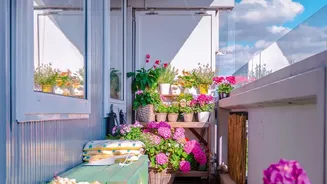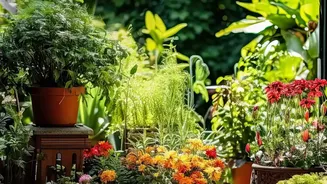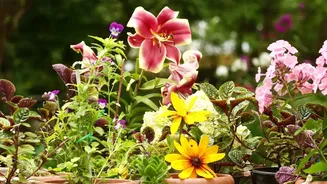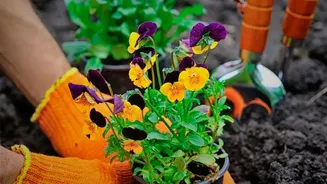




A truly stunning garden offers visual delight not just for a season, but all year round. The secret isn't just in the flowers; it's in the artful blend of colourful leaves that provide a constant backdrop of texture and beauty.
The Foundation: Colourful Foliage
Before you even think about
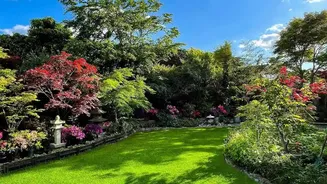
flowers, consider the leaves. Foliage is the backbone of your garden design, providing structure and long-lasting colour that flowers alone cannot. Plants with vibrant leaves ensure your garden never has a dull moment, even when blooms are scarce. Foliage offers a rich palette of reds, purples, yellows, and variegated patterns that act as a permanent canvas. In India, many foliage plants thrive in our diverse climates, from the humid coasts to the drier plains. They are often less demanding than flowering plants and create a lush, full look with minimal effort.
Star Players: Must-Have Foliage Plants
To build your garden's foundation, start with reliable foliage plants suited for Indian conditions. Crotons are a fantastic choice, loved for their multi-coloured leaves that can feature splashes of yellow, red, and orange. Coleus is another star performer, offering an incredible variety of leaf colours and patterns, though many varieties prefer partial shade. For a touch of drama, consider Caladiums with their large, heart-shaped leaves in shades of pink, white, and red. Aglaonema, or Chinese Evergreen, is another hardy option with beautifully patterned leaves that thrives in shaded spots. These plants provide the bones of your design, around which you can weave your floral choices.
Introducing Flowers: The Accent Colours
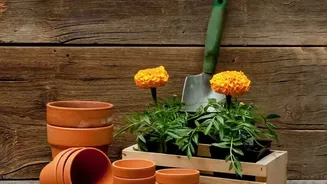
With your foliage framework in place, it's time to add flowers. Think of them as the vibrant accents that complement your leafy backdrop. For year-round blooms in most parts of India, you can't go wrong with Hibiscus, which offers large, showy flowers daily in warm climates. Bougainvillea is another near-indestructible choice that explodes with colour and thrives on sunlight and even a bit of neglect. For reliable ground colour, Periwinkle (Sadabahar) and Ixora are excellent, low-maintenance options that flower profusely for most of the year. Marigolds are perfect for adding bright pops of orange and yellow, especially in sunny spots.
Designing With Colour and Harmony
A great garden uses colour theory to create a cohesive look. You can create a soothing effect with an analogous scheme, using colours that sit next to each other on the colour wheel—for instance, pairing yellow flowers with lime-green foliage. For a more dynamic and energetic feel, use complementary colours, which are opposite each other on the wheel. Imagine the drama of purple-leaved plants set against bright yellow marigolds. Don't forget that green itself is a colour. The varied shades of green foliage can unify the entire garden, providing a restful space for the eye between brighter colours.
Beyond Colour: Texture and Form
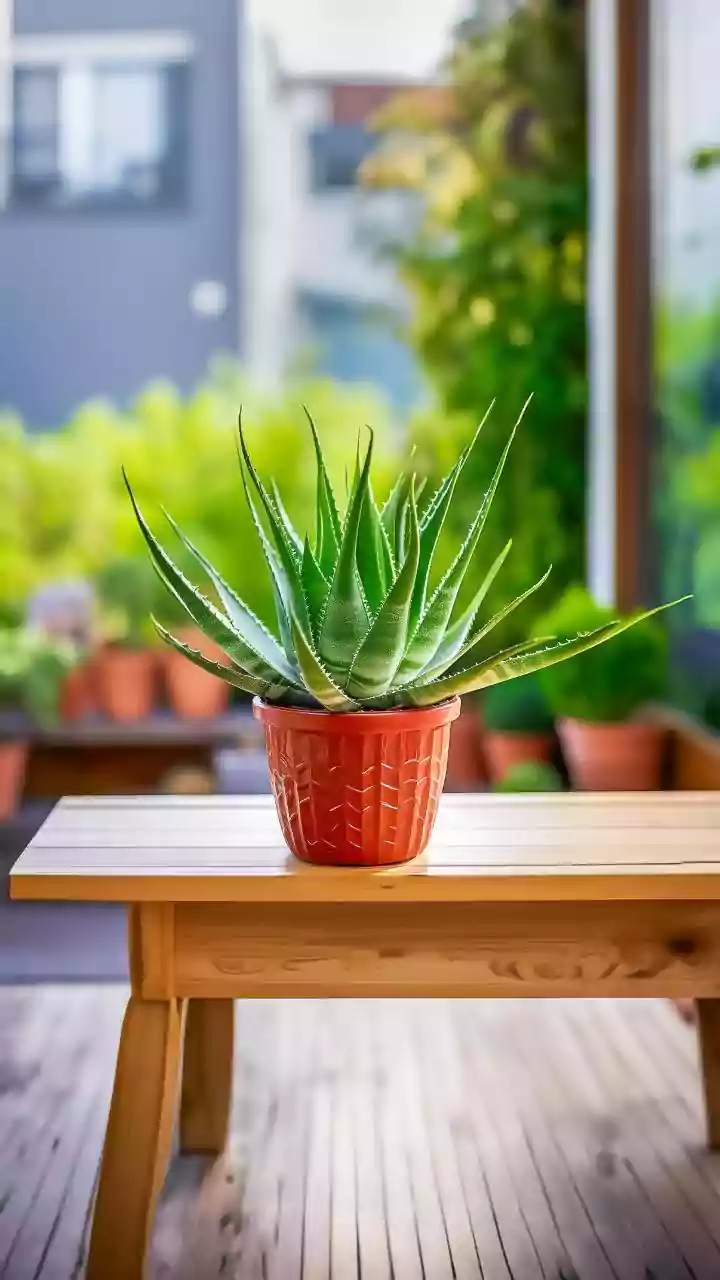
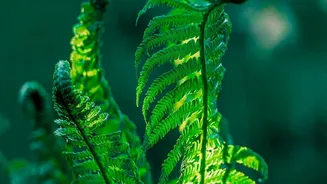
A truly masterful garden engages more than just the sense of sight through colour; it also plays with texture and form. The contrast between different leaf shapes and sizes creates visual interest long after the flowers have faded. Pair the bold, large leaves of a Ficus plant with the fine, feathery foliage of a fern. Contrast the upright, spiky form of a Snake Plant with the soft, mounding shape of a Periwinkle bush. This interplay of textures adds depth and sophistication, making your garden feel more complex and intentionally designed.
Planning for Year-Round Interest
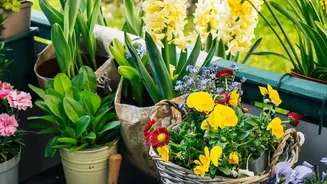
The ultimate goal is a garden that looks good in every season. This requires some planning. Mix evergreen foliage plants, which provide a constant presence, with deciduous ones that might change colour or die back. Incorporate both year-round bloomers like Hibiscus and seasonal stars like Petunias for winter colour. By layering plants with different peak seasons, you ensure there's always something new to see. The foliage provides the constant structure, while the flowers mark the changing of the seasons, creating a garden that is alive and evolving throughout the year.