




An Unusual End to the Monsoon
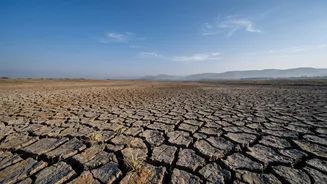
Typically, September offers a final, crucial window for monsoon rains to top up the country's reservoirs before the dry season begins. However, the India Meteorological Department (IMD) has forecast below-normal rainfall for September 2026 across many
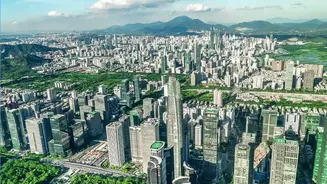
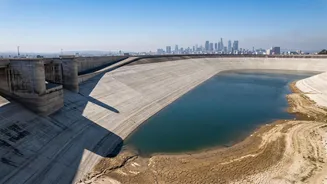
parts of the country. This comes on the back of an already uneven monsoon influenced by strengthening El Niño conditions, which are historically linked to weaker monsoons in India. After a patchy August, many key reservoirs, particularly in the southern and northern regions, are already recording lower water levels compared to last year, amplifying concerns over urban water security.
Shifting from Supply to Demand
For decades, urban water planning in India has been supply-centric, focusing primarily on building dams and ensuring reservoirs are full. But with rainfall becoming more erratic, this strategy is proving inadequate. The prospect of a dry September is accelerating a necessary shift in priority from supply augmentation to demand-side management. This means instead of just focusing on how much water can be stored, civic bodies are now under pressure to control how much is consumed. This approach involves a suite of measures aimed at improving water-use efficiency, reducing wastage, and encouraging conservation among citizens.
What It Means for City Residents
For the average resident in a major city, this change in priorities will have tangible consequences. We may see a more aggressive push for measures that were previously implemented only during severe shortages. These could include stricter penalties for water wastage, more frequent water audits for large consumers, and potentially higher tariffs to discourage excessive use. The focus will be on reducing Non-Revenue Water (NRW)—water that is lost through leaks in aging pipelines before it ever reaches the consumer. While unpopular, measures like controlled supply hours or pressure reductions, already a reality in some cities, could become more widespread to preserve reservoir levels through the coming months.
The Long-Term Vision for Water Security
While a dry September presents an immediate challenge, it also serves as a critical catalyst for adopting long-term, climate-resilient solutions. Experts argue that cities must move towards a circular water economy. This involves large-scale implementation of wastewater treatment and recycling, where treated water can be reused for non-potable purposes like industry and landscaping. Furthermore, there is a renewed emphasis on reviving urban water bodies like lakes and wetlands, which act as natural sponges to recharge groundwater. Mandatory rainwater harvesting for all new buildings, a policy already in place in cities like Chennai and Pune, is another key strategy that helps decentralize water supply and build local resilience.