





The New Corner Office
A quiet revolution is reshaping India's work culture, and its new headquarters isn't a swanky high-rise in a metro. Instead, it’s the tranquil verandas of coffee estates in Coorg. For decades, professional ambition meant a one-way ticket to Bengaluru,
Mumbai, or Delhi. Today, a reverse migration is underway. Professionals from cities like Mysuru, Coimbatore, Mangaluru, and Nagpur are swapping cramped city apartments for sprawling plantations, not for a vacation, but for a 'workation'. This trend signifies a major shift: the pursuit of a successful career no longer requires sacrificing quality of life in a congested, expensive metropolis. With remote work becoming a permanent fixture for many companies, employees are realising that a good internet connection is the only real prerequisite for a productive workday, and that connection is now widely available in places once considered remote retreats.
The Allure of the Off-Season
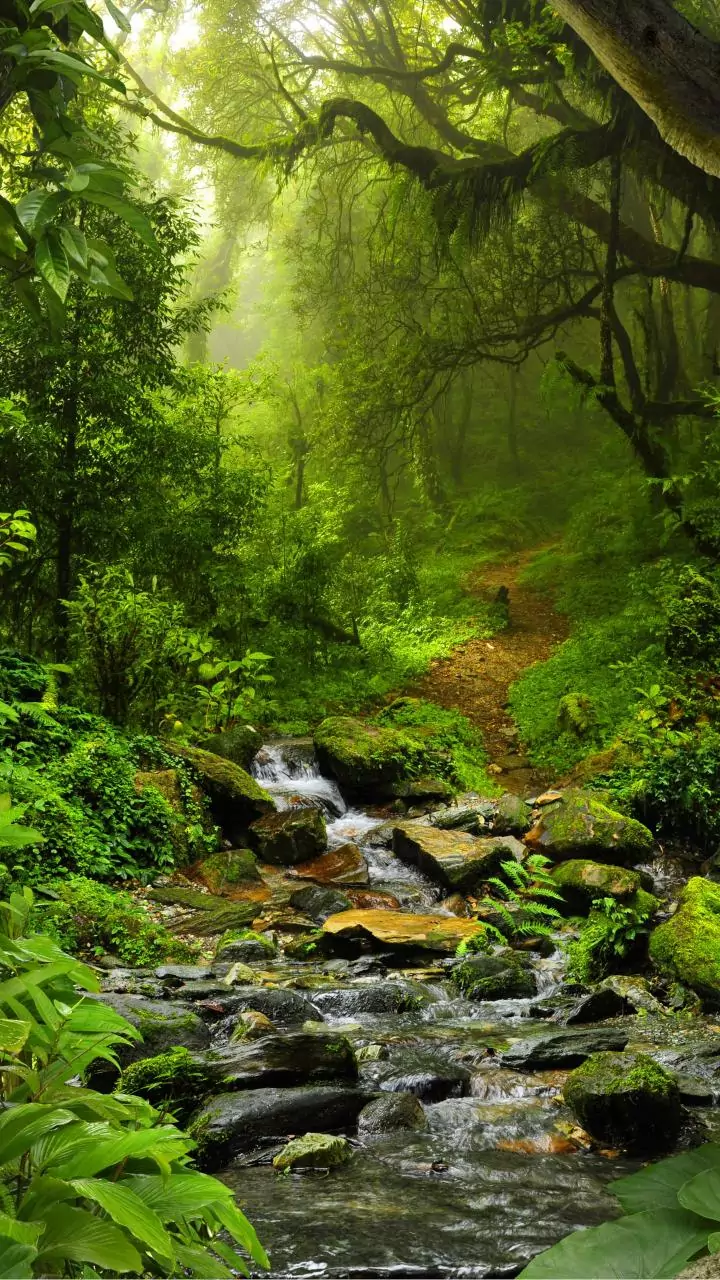
A key part of this trend is the timing. These professionals are deliberately choosing the off-season, particularly the monsoon and post-monsoon months from June to October, to make their move. While peak season in Coorg means crowded viewpoints and inflated prices, the off-season offers a different kind of magic. The landscape is at its most lush and vibrant, the waterfalls are in full flow, and a sense of calm descends on the region. For remote workers, this translates to tangible benefits: lower accommodation costs, fewer tourists, and a quieter, more focused environment. Estate owners and homestays, eager for year-round business, are offering attractive long-stay packages with amenities tailored for working professionals, from high-speed Wi-Fi to dedicated workspaces.
More Than Just a Change of Scenery
This migration is about more than just enjoying a picturesque view during a video call. It represents a fundamental re-evaluation of work-life balance. Professionals from Tier 2 cities are finding that a staycation in Coorg allows them to maintain productivity while significantly improving their mental and physical well-being. The stresses of city life—traffic, pollution, high living costs—are replaced by nature walks, fresh air, and the unhurried pace of estate life. The ability to close a laptop at 6 PM and immediately be surrounded by nature is a powerful antidote to burnout. It fosters creativity and allows for a mental reset that a traditional office environment or even a home office in a bustling city cannot provide. This move also supports a more sustainable model of tourism, providing a steady income for local communities and reducing the environmental strain of over-tourism during peak months.
The Estate Economy Adapts
The hosts are adapting just as quickly as their new guests. Plantation bungalows and homestays across Kodagu are no longer just for weekend tourists. Many now explicitly market themselves as 'workation-friendly'. The key selling points have shifted from just proximity to tourist spots to the reliability of the internet connection, the quietness of the location, and the availability of home-cooked meals. Some estates offer entire cottages for long-term rent, allowing small teams or groups of colleagues to create their own remote work hub. This symbiotic relationship benefits everyone: the workers get a productive paradise, and the local economy gets a reliable, year-round revenue stream that is less dependent on the seasonal tourist rush.