







The Hidden Danger in Your Meal
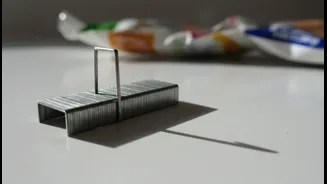
That small metal pin, often used to seal everything from sweet boxes to delivery parcels, poses a serious threat. The Food Safety and Standards Authority of India (FSSAI) has highlighted numerous instances where these pins have been found inside food.
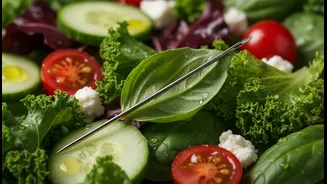
If a pin detaches and mixes with the contents, it can be accidentally swallowed, leading to a host of medical emergencies. Doctors warn that ingesting a pin can cause choking, cuts in the mouth and throat, and severe internal injuries to the food pipe or other organs. In some cases, it can lead to life-threatening complications requiring emergency surgery. Beyond the physical hazard, there's also the risk of contamination from rust or germs, which can lead to infections. These incidents, which are largely preventable, turn a simple meal into a potential medical crisis, especially for children.
A Crackdown on Unsafe Practices
Recognising the growing danger, Indian food safety regulators have taken a firm stand. As recently as June 2026, the FSSAI issued a strong directive ordering all food business operators (FBOs) to immediately stop using metallic pins and wires for packaging. This isn't the first time the alarm has been raised. The FSSAI has been discouraging the practice since at least 2019, urging businesses to switch to safer methods. The latest advisory, however, is a clear ban, applying to all forms of food packaging, including cake boxes, takeaway meals, and snack pouches. The regulator has warned that failure to comply will result in penal action under the FSS Act, 2006, signalling a shift from advisory to strict enforcement. This move also covers pins used for decorative purposes on cakes, which pose a similar risk of accidental ingestion.
Why Pins Persist and What Can Replace Them
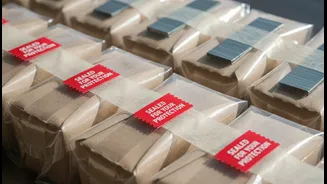
Despite the risks, many vendors, particularly in the unorganised sector, continue to use staples because they are cheap, fast, and readily available. Shifting away from this long-standing habit requires both awareness and access to viable alternatives. Fortunately, safer options are plentiful. Adhesive tapes and paper-based seals are effective for securing bags and boxes without the risk of loose metal parts. Interlocking box designs, which require no external fasteners, are another excellent solution. For restaurants and delivery platforms, tamper-evident seals provide an added layer of security, assuring the customer that their food has not been opened in transit. As India's packaging industry innovates, we're also seeing a rise in sustainable options like containers made from bagasse (sugarcane pulp) and areca palm leaves, which often come with integrated, secure closing mechanisms.
The Role of Businesses and Consumers
The responsibility for this shift lies with both businesses and consumers. Food businesses, from local bakeries to large delivery aggregators, must prioritise customer safety over marginal cost savings and fully comply with the FSSAI's directive. This involves training staff and redesigning packaging processes to eliminate staples entirely. Many eco-friendly packaging suppliers in India now offer a wide range of compliant and innovative solutions. Consumers, in turn, have a powerful role to play. Before opening a food parcel, take a moment to check how it's sealed. If you find a staple pin, remove it carefully before handling the food. More importantly, you can voice your preference for safer packaging to restaurants and delivery services. If you find a pin in your food, you can register a formal complaint with the FSSAI through its app or online portal, providing details and photos. This feedback loop is crucial for driving accountability and widespread change.