

Your Windowsill is Prime Real Estate
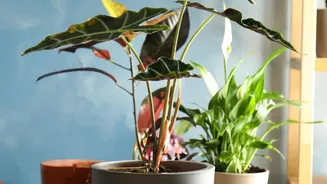
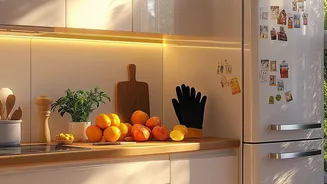
Often overlooked, a sunny windowsill is the perfect starting point for your indoor garden. It’s an ideal spot for plants that don't need deep soil, fitting small pots or window boxes without taking up any floor space. For Indian kitchens, this is a game-changer.
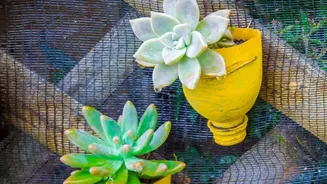
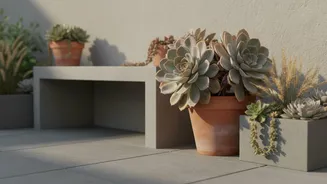
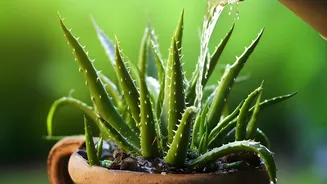
Imagine fresh tulsi, coriander, and mint right where you cook. Most herbs need about four to six hours of sunlight daily, making a south or west-facing window ideal. However, even an east-facing window with strong morning sun can work wonders. Besides herbs, succulents and smaller flowering plants can also thrive, instantly brightening up a room.
Go Vertical: Think Up, Not Out
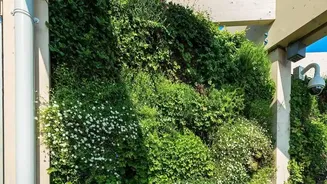
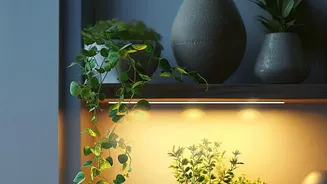
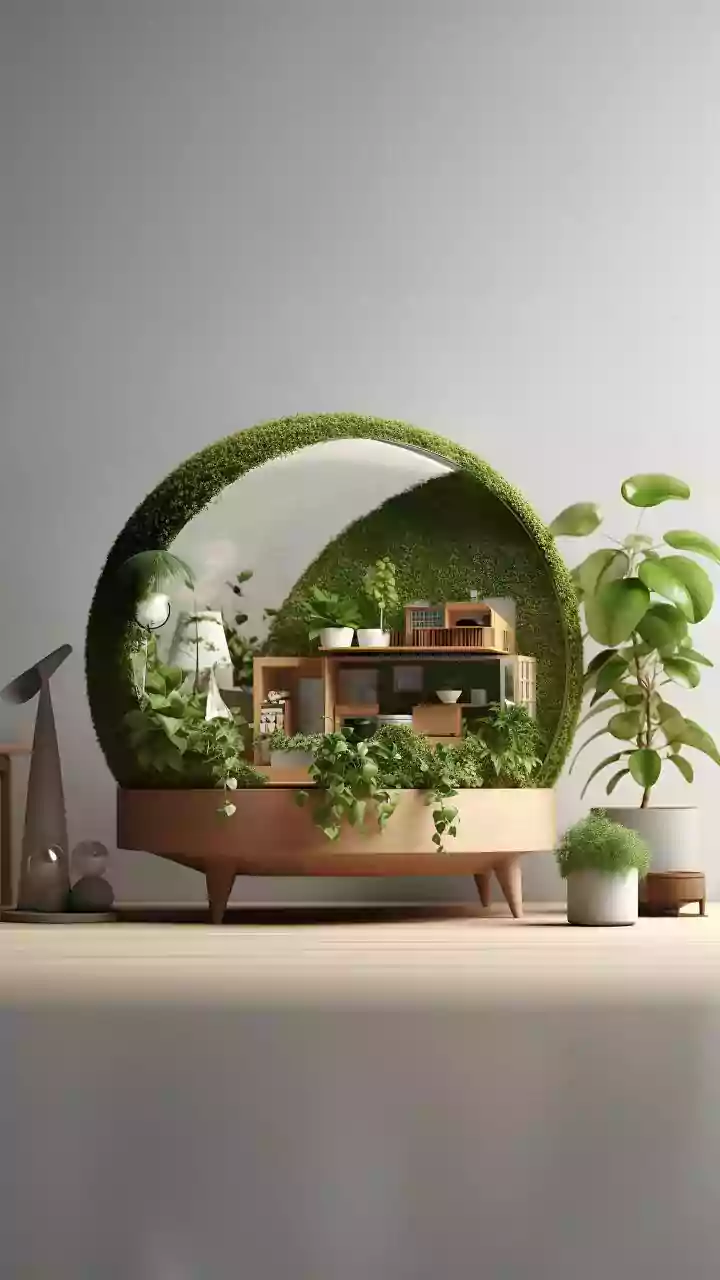
When floor space is a luxury, the only way to go is up. Vertical gardening is a technique that allows you to grow plants upwards rather than outwards, saving precious space. Empty walls can be transformed into living green tapestries using wall-mounted planters, pocket organizers, or hanging pots. This method lets you support significantly more plants in the same footprint. You can use tiered stands in a corner, hanging baskets near a window, or planters that attach directly to your window grills. These solutions not only maximize your growing area but also serve as beautiful, dynamic home decor.
Choosing the Right Indoor Plants
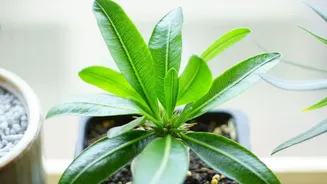
The key to a successful indoor garden is selecting plants that suit the conditions. For a typical Indian apartment, low-maintenance and hardy plants are a great start. The Snake Plant is incredibly resilient, tolerates low light, and purifies the air at night, making it perfect for bedrooms. Money Plants (Pothos) are believed to bring good luck and are very easy to care for, thriving even in lower light. Other excellent choices include the ZZ Plant, which handles neglect well, and the Areca Palm, which is great for living rooms and helps remove pollutants from the air. For a touch of colour, consider Aglaonema, which has beautifully patterned leaves.
Essentials: Pots, Soil, and Water
The foundation of any healthy container garden is the right combination of pot, soil, and water. Always choose pots with drainage holes at the bottom to prevent water from logging and causing root rot. Terracotta and plastic pots are both good options. For the growing medium, use a high-quality potting mix rather than heavy garden soil, as it provides better aeration and drainage for potted plants. When it comes to watering, a simple rule is to stick your finger about an inch into the soil. If it feels dry, it's time to water. Plants in containers tend to dry out faster, especially during hot Indian summers, so they may need watering more frequently.
Let There Be (the Right) Light
Sunlight is food for plants, and understanding your home's light is crucial. Observe which areas get bright, indirect light versus direct sun. Most houseplants, like the Peace Lily and Philodendron, prefer bright but indirect light. If your apartment doesn’t receive much natural sunlight, don’t despair. Modern, affordable LED grow lights can supplement natural light and allow you to grow plants in even the darkest corners. These are especially useful for starting seedlings or cultivating a small herb garden on a kitchen counter that's far from a window. Smart gardens with built-in lights and self-watering systems are also an option for those who are always on the go.