







Plan Ahead, Travel Smarter
Spontaneity has its charms, but monsoon travel isn't the time for it. Before you even pack your bags, it is crucial to check the weather forecast for your destination. As of early July, the monsoon has become active across large parts of the country,
with heavy rainfall warnings in various states including Gujarat, Maharashtra, and West Bengal. Some areas are more prone to landslides and flooding, so choosing your destination wisely is the first step to a safe trip. Check for any travel advisories issued by local authorities, as conditions can change rapidly. For instance, authorities in hilly regions like Sakleshpur in Karnataka have recently advised against visiting waterfalls and riverbanks due to continuous rain. It's also a good idea to inform someone of your itinerary and keep emergency contact numbers handy.
On the Road: A Guide to Safe Driving
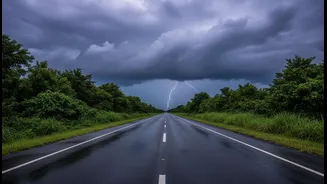
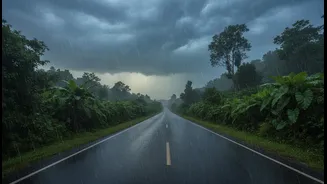
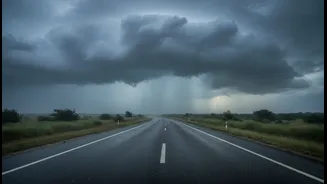
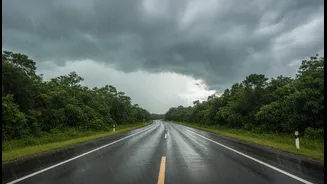
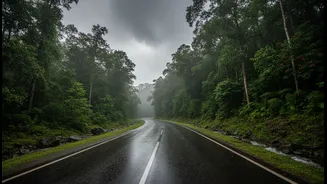
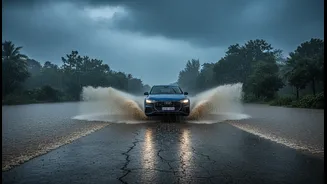
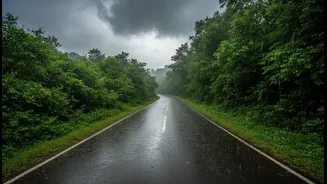
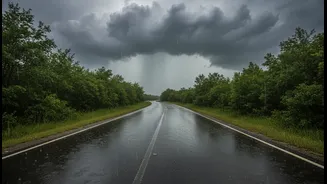
Monsoon road trips offer stunning views but demand utmost caution. The first rule is to slow down, as wet roads significantly increase braking distances. It's essential to maintain at least twice the usual distance from the vehicle in front of you. Before starting, ensure your car is monsoon-ready: check your tyres for adequate tread, get your brakes serviced, and replace worn-out wiper blades. Visibility is often poor, so always use your headlights on a low beam during rain, day or night. One of the biggest dangers is driving through waterlogged streets. It's impossible to gauge the depth or see hidden potholes and open drains. If you encounter a flooded road, the safest option is to find an alternative route or wait for the water to recede.
Pack the Right Gear
Your packing list can make or break a monsoon trip. The key is to choose items that are waterproof and dry quickly. Leave the heavy denim and cottons at home in favour of lightweight, synthetic fabrics. A sturdy waterproof jacket or poncho is non-negotiable. When it comes to footwear, prioritize grip and water resistance. Rubber sandals, floaters, or anti-skid trekking shoes are ideal for navigating slippery surfaces. It's wise to carry an extra pair of shoes to avoid wearing damp footwear, which can lead to fungal infections. To protect your valuables, use waterproof backpack covers and keep electronics, documents, and cash in sealed zip-lock bags. A foldable umbrella and a quick-dry towel are other essentials you'll be glad to have.
Health and Hygiene on the Go
The monsoon season sees a spike in water-borne and mosquito-borne diseases like dengue, malaria, and typhoid. The risk of contamination is high, so it’s crucial to be mindful of what you eat and drink. Avoid street food, especially items that may have been exposed to the elements, and drink only bottled or purified water. Always opt for freshly cooked, hot meals from clean establishments. Mosquitoes are rampant during this season, so carry and regularly use an effective insect repellent. Wearing full-sleeved clothing can also provide a layer of protection. It's also a good idea to pack a basic first-aid kit containing medication for common ailments like fever, stomach upset, and colds, along with antiseptic wipes and bandages.
Staying Safe and Dry
A few extra precautions can help you avoid common monsoon miseries. Try to stay dry as much as possible and change out of wet clothes promptly to prevent skin infections. Fungal infections thrive in humidity, so keeping your skin dry is important. Always carry a fully charged power bank, as power cuts can be common during heavy rains. While traveling, stay alert to your surroundings, especially in hilly areas where there's a risk of falling branches or loose stones. Finally, be flexible with your plans. The weather can be unpredictable, and sometimes the best experience is simply relaxing with a hot cup of tea while waiting for a downpour to pass.