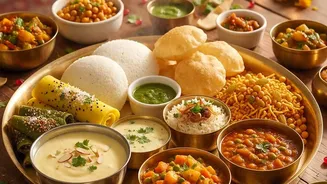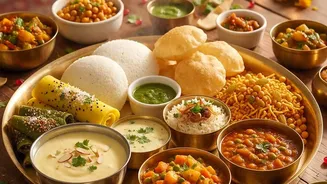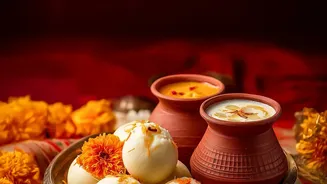


For years, the neighbourhood mithai shop was a fixture of festive life, but today, a quiet revolution is underway. From artisanal websites to chic city storefronts, regional sweets and savouries are back, and they have never looked better.
A Powerful Taste of Home
One of the biggest
drivers of this renaissance is a simple, powerful emotion: nostalgia. As millions of Indians move to metro cities for work and education, they leave behind the specific tastes of their hometowns. The generic, mass-produced snacks available in supermarkets often fail to satisfy the craving for authentic flavours remembered from childhood. This has created a significant market for foods that offer a genuine connection to one's roots. Brands are tapping into this by bringing back hyper-local specialities, allowing a professional in Mumbai to enjoy a taste of authentic Mangalorean snacks or a student in Delhi to find the comfort of a traditional Bengali sweet. It is more than just food; it is an emotional connection to family and heritage, delivered in a convenient package.
The Healthy Makeover
This isn't your grandmother's mithai—or rather, it's an updated version she and your nutritionist might both approve of. A major factor in the comeback is the health-conscious evolution of these traditional recipes. For years, Indian sweets were associated with refined sugar, unhealthy fats, and artificial additives. Today, a new wave of brands is challenging that perception. They are creating 'guilt-free' versions of classic laddus, barfis, and chikkis using natural sweeteners like jaggery, dates, and raw honey. Many are also using A2 ghee, whole grains, nuts, and seeds to add nutritional value. This modern approach, which includes baked instead of fried savouries and gluten-free options, appeals directly to health-aware urban consumers who want to indulge without compromising on wellness.
The Rise of Artisanal Brands
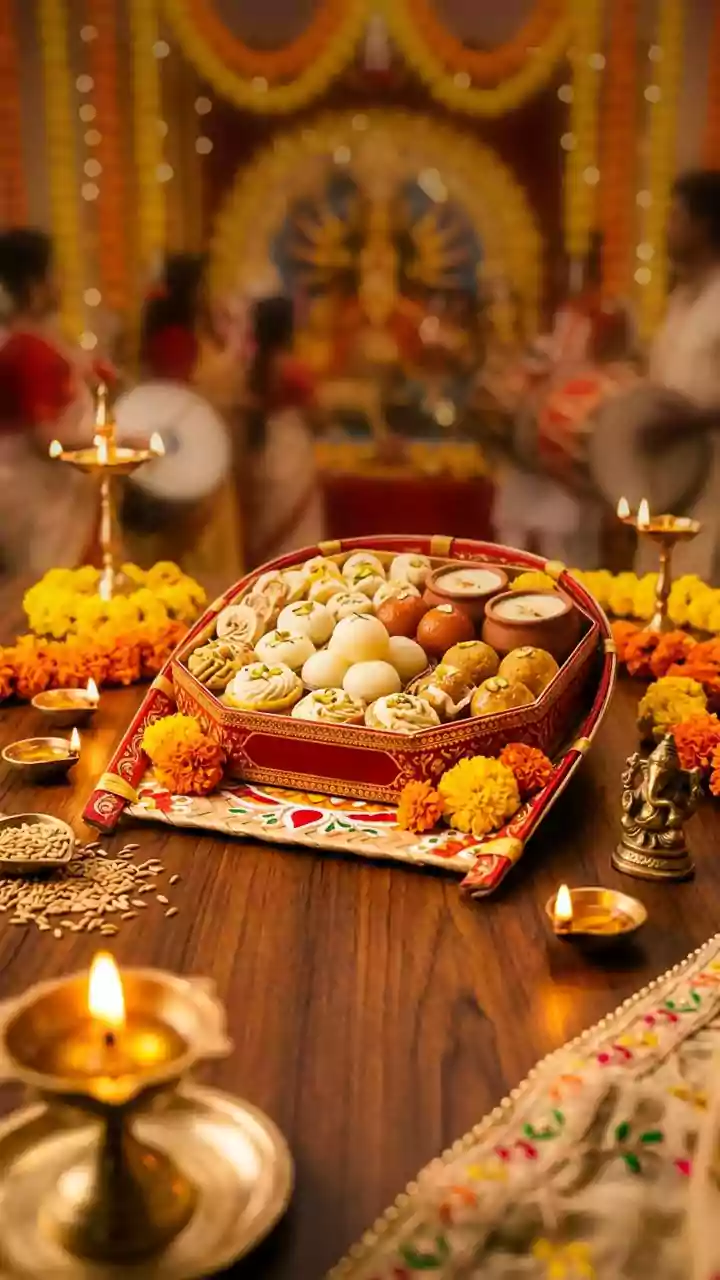
The sweets and savouries market is no longer just a local, unorganised affair. It is now a booming space for direct-to-consumer (D2C) startups. Entrepreneurs are re-imagining traditional Indian snacks as premium, artisanal products. Brands like GO DESi, Bombay Sweet Shop, and Gur Chini are focusing on high-quality ingredients, small-batch production, and elegant, modern packaging. This premiumisation turns a simple box of mithai into a luxury gift. Storytelling is also central to their appeal; these brands often highlight the origins of their recipes, the communities they work with, and their commitment to authentic preparation methods. This elevates a regional snack from a commodity to a craft product with a compelling narrative.
From Local Halwai to Digital Darling
Technology has been a crucial catalyst in this revival. Where a specific regional sweet was once only available in its town of origin, e_commerce and social media have made it accessible nationwide. Through beautifully curated Instagram feeds and easy_to_use websites, D2C brands can reach customers directly in any metro city. Quick commerce and efficient logistics mean that fresh products can be delivered right to a customer's doorstep, sometimes in minutes. Social media has also played a huge role in discovery, with food bloggers and influencers showcasing unique regional treats and turning once_obscure delicacies into trending must_haves. This digital marketplace has effectively created a national platform for hundreds of local culinary traditions.
Exploring India's Culinary Map
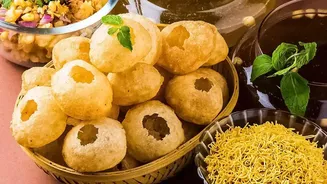
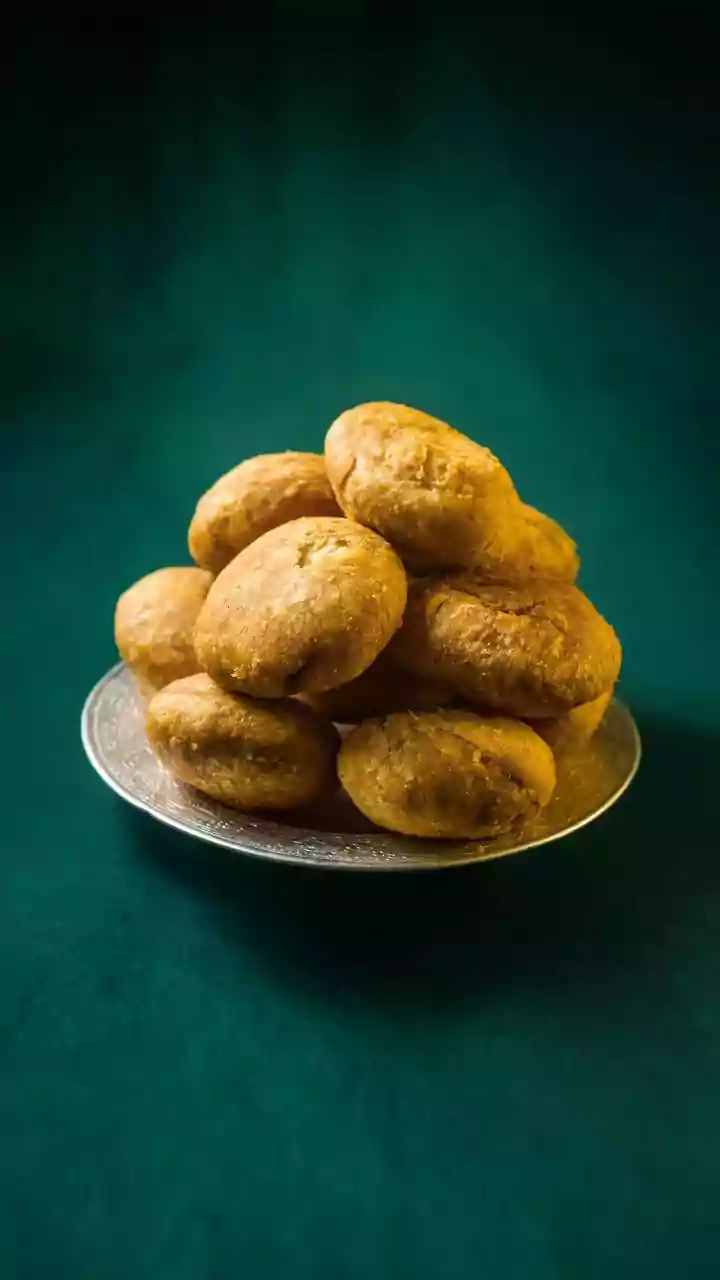
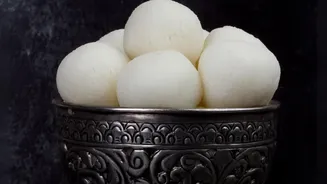
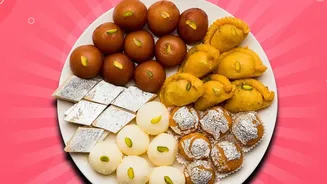
The renaissance is also broadening our collective palate. While staples like Kaju Katli and Gulab Jamun remain popular, consumers are now exploring lesser_known gems from across India's diverse food landscape. Sweets like West Bengal's Sondesh, Rajasthan's Ghevar, and sweets from the Mughal era are finding new fans in cities far from their origins. This trend extends to savouries as well, with items like Tamil Nadu's Thattai and Maharashtrian Chakli being marketed as premium, ready_to_eat delicacies. This growing appetite for culinary adventure encourages brands to revive and celebrate the sheer diversity of Indian food, ensuring that unique, regional recipes are not just preserved but given a vibrant new life in the modern era.