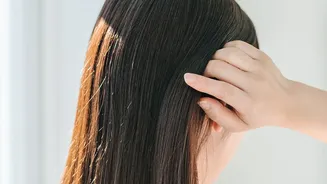




As the temperature drops, we layer on moisturisers to protect our skin, but often forget the skin on our head. Winter can be harsh on your scalp, leading to dryness, itchiness, and flakes. A simple switch can make all the difference.
Why Winter Wreaks Havoc on Your Scalp
The arrival of winter
brings a perfect storm for scalp stress. The primary culprit is the sharp drop in humidity. Cold outdoor air holds significantly less moisture, and when we move indoors, we are met with dry, centrally heated environments. This constant shift between cold, dry air outside and warm, dry air inside strips the scalp of its natural oils, or sebum. This process, known as transepidermal water loss, compromises the scalp's protective barrier, leaving it dehydrated and vulnerable. The result is often a tight, itchy, and flaky scalp. Furthermore, our winter habits can exacerbate the issue. Indulging in long, hot showers feels comforting but strips away sebum even faster, while wearing hats can trap sweat and disrupt the scalp's microenvironment.
The Protective Power of Nourishing Oils
This is where the age-old practice of hair oiling comes to the rescue. Natural oils act as a powerful countermeasure to winter's drying effects. When massaged into the scalp, they serve two primary functions. First, they replenish the lipids that have been stripped away, helping to repair and reinforce the scalp's natural moisture barrier. This barrier is crucial for locking in moisture and preventing the dehydration that leads to flakiness and irritation. Second, oils provide a wealth of essential nutrients, including fatty acids, vitamins, and antioxidants, directly to the skin and hair follicles. This not only soothes existing dryness but also creates a healthier environment for hair to grow, strengthening it from the root. Oils like coconut oil can penetrate the hair shaft itself, reducing protein loss and preventing the brittleness that becomes more common in winter.
Choosing Your Ideal Winter Hair Oil
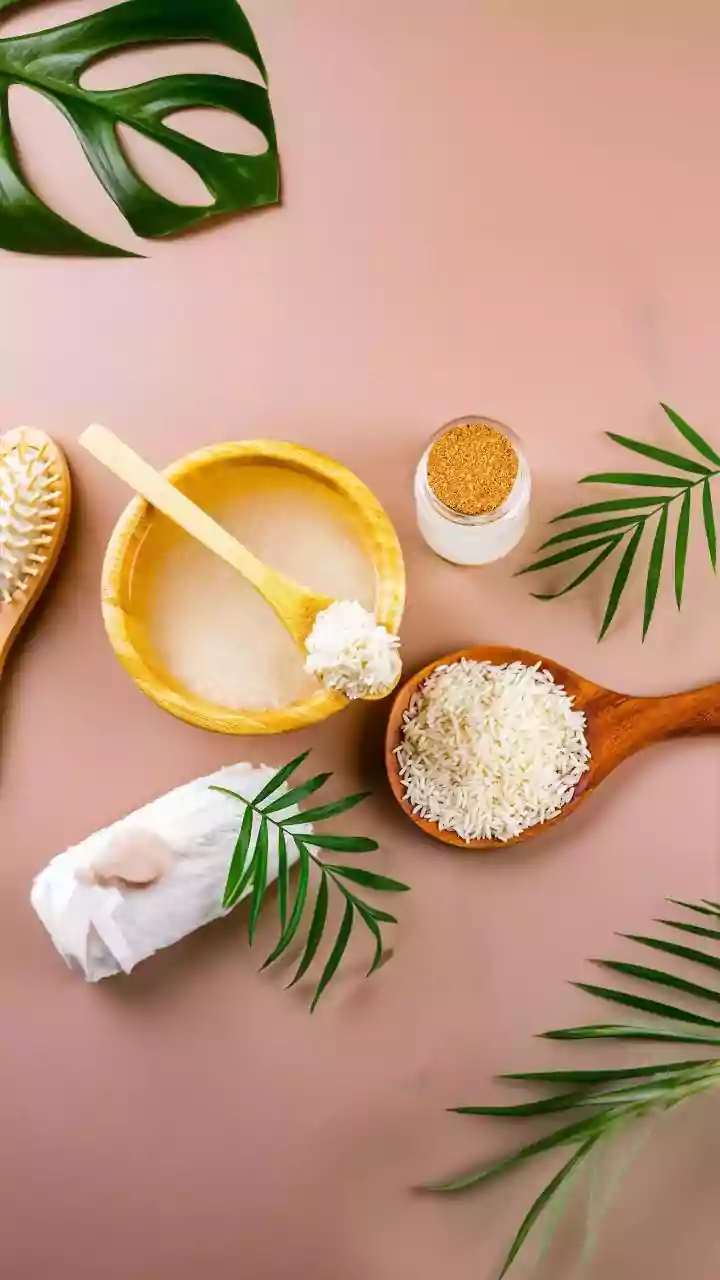
Not all oils are created equal, but many offer fantastic benefits for a winter-stressed scalp. Coconut oil is a perennial favourite, celebrated for its ability to penetrate deeply and provide intense hydration. Its lauric acid content has antimicrobial properties that can help maintain a clean scalp environment. Almond oil is another excellent choice, particularly for those who prefer a lighter feel. It is rich in Vitamin E, a natural antioxidant that helps combat environmental stress, and it’s known for its ability to soften hair and soothe irritation. For a truly classic Indian remedy, Amla oil, often infused in a carrier oil like coconut or sesame, is rich in Vitamin C and antioxidants. Jojoba oil is prized because its chemical structure closely mimics the scalp's natural sebum, making it an exceptional moisturiser that can help balance oil production without feeling greasy.
The Art of the Application
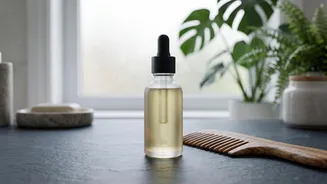
To get the most out of your hair oil, the application method matters. Start with dry or slightly damp hair. Gently warm a small amount of your chosen oil; this helps it absorb more effectively. Part your hair into sections and use your fingertips or a dropper to apply the oil directly to the scalp. Once applied, spend a few minutes gently massaging your scalp in small, circular motions. This step is crucial as it stimulates blood circulation, which helps deliver nutrients to the hair follicles, and ensures the oil is evenly distributed. After the scalp massage, you can work any remaining oil through the lengths and ends of your hair. Let the oil sit for at least 30 minutes to allow for deep penetration, or for an intensive treatment, leave it in overnight, protecting your pillowcase with a towel or cap. Afterwards, shampoo and condition as usual; you may need to shampoo twice to remove all residue.