





The Salty Truth About Our Diet
Health organizations like the WHO recommend consuming less than 5 grams of salt per day, which is about 2,000 mg of sodium. However, studies show the average Indian adult consumes around 8 to 11 grams of salt daily—nearly double the recommended limit.
This excess sodium is a significant risk factor for high blood pressure, heart disease, and kidney problems. The challenge is that most of this sodium doesn't come from the salt shaker. It's hidden in processed foods, condiments, and even seemingly healthy items we stock in our kitchens. Taking control of your sodium intake begins with understanding what's really in your pantry.
Identifying the High-Sodium Suspects
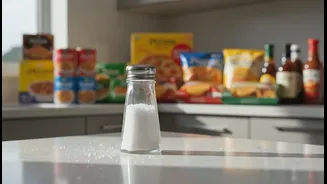
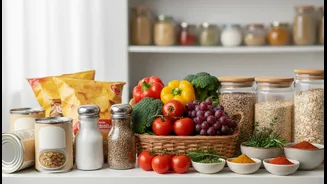
Many staples of the Indian kitchen are packed with sodium, often for flavour and preservation. A quick scan of your shelves might reveal several culprits. Pickles (achar) and papads are two of the biggest offenders; a single tablespoon of pickle can contain a significant portion of your daily sodium allowance. Sauces and condiments like soy sauce, ketchup, and various chutneys are also major sources. Packaged and instant foods, including instant noodles, soup mixes, biscuits, and namkeens like bhujia and sev, are loaded with salt. Even everyday items like bread and ready-made spice mixes (masalas) contain a surprising amount of hidden sodium.
Your Smart Swap Shopping List
Making a change is about smart substitutions, not deprivation. Instead of eliminating these items, look for lower-sodium versions or make your own. Swap store-bought pickles and chutneys for homemade versions where you can control the salt. Instead of high-sodium soy sauce, consider coconut aminos, which offer a similar umami flavour with less salt. When buying canned goods or packaged broths, actively look for labels that say "low-sodium" or "no salt added". For snacks, trade packaged namkeens for roasted makhana (fox nuts) or a simple chana chaat seasoned with lemon juice and herbs. Choosing fresh paneer or making it at home can also be a great low-sodium alternative to processed cheese.
Become a Sodium Detective: Read the Label
The nutrition label is your best tool. First, always check the serving size, as the sodium content listed is per serving, and you may consume more than one. Look for the amount of sodium in milligrams (mg). A food is considered low in sodium if it has 140 mg or less per serving. The Percent Daily Value (%DV) is also a helpful guide; 5% or less is considered low, while 20% or more is high. Pay attention to the ingredients list. If salt or other sodium-containing compounds like monosodium glutamate (MSG) or sodium bicarbonate are listed near the top, the product is likely high in sodium.
Unlocking Flavour Beyond Salt
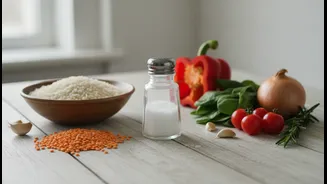
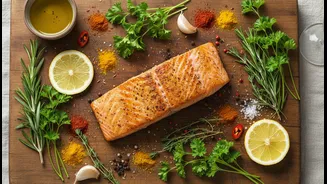
Reducing salt doesn't mean sacrificing taste. A world of flavour is available through other ingredients. Embrace the power of aromatics like fresh garlic, ginger, and onions as the base for your cooking. Acidity from lemon juice, lime, tamarind, or vinegars can brighten dishes and mimic the flavour-enhancing effect of salt. Don't be shy with herbs and spices. Generously use fresh coriander, mint, and dill, along with dried spices like turmeric, cumin, smoked paprika, and black pepper to build complex flavours. Toasted spices release more of their essential oils, adding even more depth to your curries and other dishes.