







More Than Just Herbal Tea
At its heart, kadha is not one specific recipe but a concept—a decoction of herbs and spices simmered in water to extract their therapeutic properties. It’s the cornerstone of Ayurvedic home remedies, traditionally used to combat common ailments like
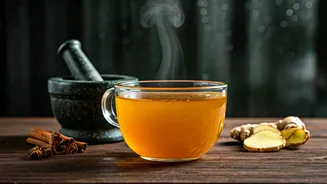
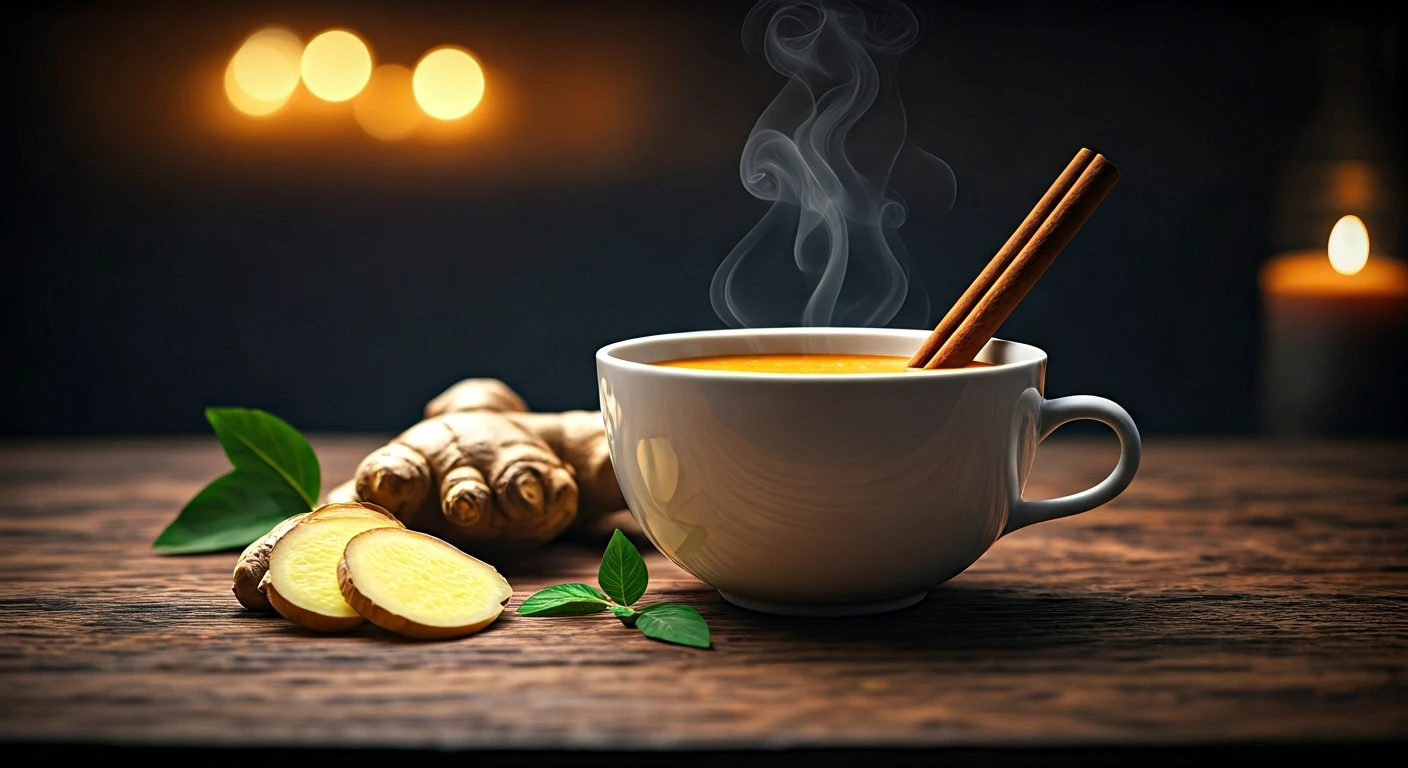
colds, coughs, and sore throats. Each family has its own trusted version, a liquid legacy passed down through generations. The base typically involves ingredients like tulsi (holy basil), ginger, black pepper, cloves, and cinnamon, often sweetened with honey or jaggery. Unlike a simple tea, kadha is a concentrated, potent brew designed to be a functional, healing drink.
From Kitchen Staple to Wellness Trend
So why the "huge comeback"? The resurgence is fuelled by a perfect storm of factors. The global wellness movement has sparked a renewed interest in natural, plant-based remedies, pushing consumers away from over-the-counter medicines for minor issues. The post-pandemic era, in particular, has left us all more conscious of our immunity. Kadha, with its deep roots in Indian culture as an immunity-booster, was perfectly positioned to meet this new demand. This isn't just happening in home kitchens. The trend has been commercialized, with countless brands now offering pre-packaged kadha mixes, powders, and even ready-to-drink shots, making the ancient remedy accessible to a busy, modern audience.
The Stars of the Show
The magic of kadha lies in its synergistic blend of ingredients, each a powerhouse in its own right. Tulsi (Holy Basil) is revered as an adaptogen, helping the body manage stress, and is known for its antimicrobial and anti-inflammatory properties. Ginger (Adrak) is a well-researched digestive aid and a powerful anti-inflammatory, excellent for soothing a sore throat. Black Pepper (Kali Mirch) does more than add heat; it contains piperine, a compound that enhances the absorption of other nutrients and has antioxidant benefits. Cloves (Laung) are packed with antioxidants and have antiseptic qualities, while Cinnamon (Dalchini) helps regulate blood sugar and has its own anti-inflammatory effects. Together, they create a formidable team to support your body's natural defences.
A Simple, Soothing Kadha Recipe
Ready to brew your own cup of wellness? Here’s a classic, customisable recipe.Ingredients: * 2 cups of water * 1-inch piece of ginger, crushed * 4-5 tulsi leaves * 2 cloves * 2 black peppercorns, crushed * 1 small stick of cinnamon * 1 teaspoon of honey or jaggery (to be added at the end)Instructions: 1. Add the water, ginger, tulsi, cloves, peppercorns, and cinnamon to a small saucepan. 2. Bring the mixture to a boil. 3. Reduce the heat and let it simmer for 10-15 minutes, or until the liquid has reduced by about half. This concentration is key. 4. Strain the liquid into a cup. 5. Let it cool slightly before stirring in the honey, as boiling water can degrade honey's beneficial enzymes. Feel free to add other spices like a cardamom pod or a pinch of turmeric for an extra boost.
The Golden Rule: Moderation is Key
While kadha is a wonderful natural remedy, it is potent. The very "heating" properties (known as taseer) that make it effective against colds can cause problems if overconsumed. During the height of its pandemic-era popularity, doctors reported seeing patients with issues like acidity, stomach ulcers, internal dryness, and even liver complaints due to excessive daily intake of strong kadha brews. The key is to listen to your body. Use kadha as a targeted remedy when you feel a cold coming on or during peak sick seasons, but perhaps not as a daily beverage year-round. A small cup once a day for a few days is generally considered safe for most people, but it's not a "more is better" situation.