



Why We Love Sprouts
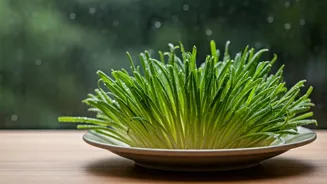
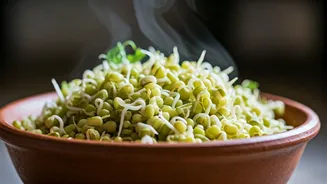
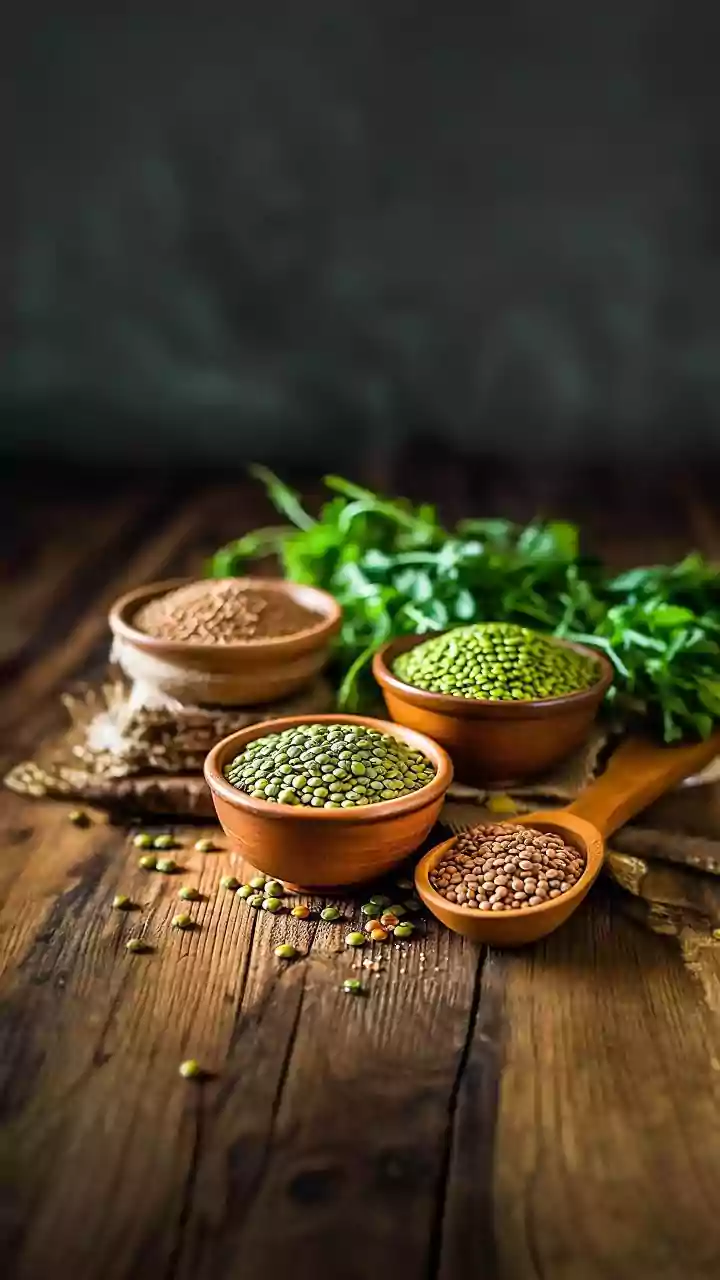
Sprouts, essentially germinated seeds of legumes and grains, are a staple in many healthy Indian diets. Whether it's mung (moong), moth beans (matki), or chickpeas (chana), they are celebrated for good reason. The process of sprouting dramatically increases
their nutritional value. They become packed with protein, dietary fibre, essential vitamins like C and K, and minerals such as folate and manganese. This process also reduces anti-nutrients like phytic acid, which means the body can absorb more of these valuable minerals. They are low in calories, high in enzymes, and great for everything from weight management to improving heart health. For years, we’ve tossed them into salads and chaats, enjoying their crunchy, fresh texture.
The Monsoon's Raw Deal
However, the game changes when the clouds roll in. The warm, humid conditions of the monsoon are a perfect breeding ground for harmful bacteria like E. coli and Salmonella. Raw sprouts, which are grown in water and warmth, are particularly susceptible to contamination. The risk of water-borne diseases is already high during this season, and consuming raw, potentially contaminated food can lead to unpleasant digestive issues, food poisoning, and other infections. Furthermore, according to Ayurvedic principles, the monsoon season tends to weaken our digestive fire (agni). Raw foods are harder to digest than cooked ones, and eating them can further burden a sluggish digestive system, leading to bloating, gas, and indigestion.
The Simple Solution: Just Cook Them
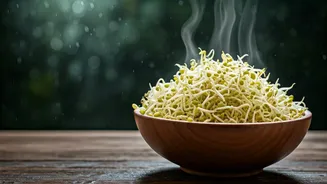
This is where the magic of cooking comes in. Applying heat to your sprouts is the single most effective way to eliminate any lurking pathogens. A few minutes of steaming, boiling, or stir-frying is enough to kill harmful bacteria, making them completely safe for consumption during the monsoon. Cooking also pre-digests the food, breaking down complex fibres and proteins. This makes cooked sprouts significantly easier on your digestive system, preventing the bloating and discomfort often associated with eating raw legumes. Instead of fighting an uphill battle, your gut can easily absorb all the wonderful nutrients the sprouts have to offer. This simple switch transforms a potentially risky food into a safe, comforting, and nourishing meal.
Do Cooked Sprouts Lose Nutrients?
It’s a common concern: does cooking destroy the nutrients that make sprouts so special? While it's true that some heat-sensitive vitamins, like Vitamin C, may be slightly reduced during the cooking process, the loss is often minimal, especially with quick cooking methods like steaming or stir-frying. More importantly, the benefits of cooking far outweigh this minor drawback. The increased safety and enhanced digestibility mean your body gets more net benefit. Many minerals and the high protein and fibre content remain largely intact. Think of it this way: it’s better to absorb 90% of the nutrients from a safe food than to risk getting sick from a raw food that your body struggles to digest anyway.
Delicious Ways to Enjoy Cooked Sprouts
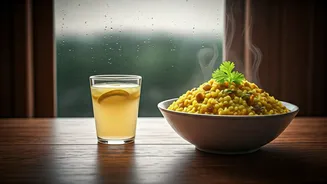
Moving away from raw sprouts doesn’t mean your meals have to be boring. In fact, it opens up a world of warm, flavourful possibilities perfect for a rainy day. **Steam and Temper:** Steam your sprouts for 5-7 minutes until they are tender but still have a slight bite. Heat a little ghee or oil, add mustard seeds, cumin seeds, a pinch of asafoetida (hing), and curry leaves. Sauté for a minute, then toss in the steamed sprouts with turmeric and salt. Finish with a squeeze of lemon and fresh coriander. **Add to Sabzis and Dals:** Stir sprouts into your everyday vegetable preparations or lentil dals during the last 10 minutes of cooking. They add a wonderful texture and a protein boost to any gravy. **Make a Warm Chaat:** Sauté sprouts with finely chopped onions, tomatoes, and ginger-garlic paste. Add your favourite chaat masala, a hint of tamarind chutney, and serve warm for a comforting and healthy snack.