



Why Bother with Protein?
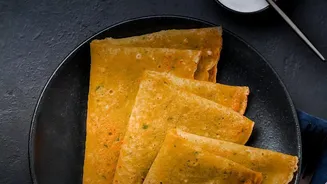
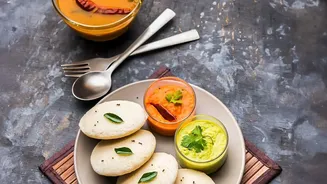
A traditional dosa, made from fermented rice and urad dal, is already a fantastic, gut-friendly food. However, it is primarily a source of carbohydrates. Adding a protein boost, especially to your first meal of the day, can have significant benefits.
A protein-rich breakfast helps regulate blood sugar, provides sustained energy, and keeps you feeling full and satisfied for longer, reducing the urge to snack before lunch. By enriching your dosa batter, you’re not changing the fundamental food you love; you're simply making it work harder for your health without compromising on its comforting appeal.
Choosing High-Protein Seeds
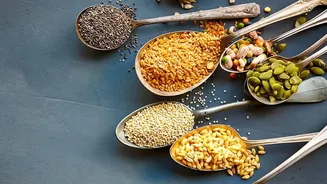
Not all seeds are created equal when it comes to protein. For the biggest nutritional impact, focus on seeds that are particularly rich in protein and other beneficial nutrients. The top contenders include:Hemp Seeds: The champion of protein, offering about 9.5 grams per 28-gram serving. They are a complete protein, meaning they contain all nine essential amino acids.Pumpkin Seeds: A close second, providing around 8.5 grams of protein per 28 grams. They are also packed with magnesium, zinc, and healthy fats.Sunflower Seeds: These common seeds offer a solid 7 grams of protein per 28 grams and are an excellent source of Vitamin E.Flax Seeds: Known for their high omega-3 fatty acid content and fiber, flax seeds also contain about 5 grams of protein per 28-gram serving. They must be ground to unlock their full nutritional benefits.* Chia Seeds: Similar to flax, chia seeds provide around 5 grams of protein per 28 grams and are a powerhouse of fiber and calcium. They form a gel when mixed with liquid, which can affect batter consistency.
How to Make Your Seed Powder
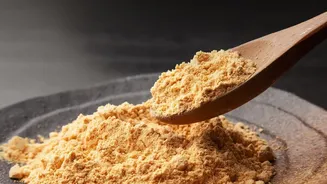
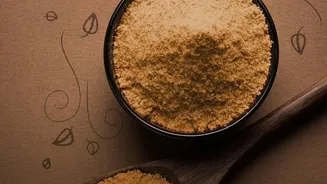
Creating your own seed powder is simple and ensures maximum freshness. You can make a powder from a single type of seed or create a custom mix. To start, gently dry-roast the seeds (except chia and ground flax) in a pan on low heat for 3-4 minutes until they release a nutty aroma. This step enhances the flavour, but be careful not to burn them. Let the roasted seeds cool down completely; this is crucial to prevent them from turning into a paste when grinding. Once cool, transfer them to a dry spice grinder or a small blender jar. Use short pulses, stopping to shake the jar in between, until you achieve a fine powder. Grinding for too long without pausing can generate heat and release oils, resulting in a clumpy mess instead of a dry powder.
The Golden Ratio: Mixing Powder and Batter
The key to success is adding the seed powder without negatively affecting the dosa's texture and taste. A good rule of thumb is to start with 2-3 tablespoons of seed powder for every cup of traditional dosa batter. It’s best to mix the powder into the batter just before you plan to make your dosas. Some seeds, particularly flax and chia, absorb a lot of liquid and can thicken the batter. If you notice your batter becoming too thick, simply whisk in a little water until you reach the desired pourable consistency. Adding the powder to fermented batter works well, but you can also incorporate it before fermentation. Just be mindful that it might slightly alter the fermentation time.
Tips for Perfect Protein-Boosted Dosas
To ensure your high-protein dosas turn out perfectly crisp and delicious, keep a few things in mind. First, always make sure your tawa or pan is sufficiently hot before pouring the batter. If you've added flax or chia seed powder, your batter might be slightly thicker, so spread it gently but confidently in a circular motion. Don't be afraid to experiment with different seed blends to find the flavour profile you like best. For example, pumpkin seeds add a subtle nutty taste, while flax is more neutral. The goal is to create a healthier version of a food you already enjoy, so feel free to adjust the seed quantity based on your personal preference for taste and texture.