




The Shoulder Season Sweet Spot
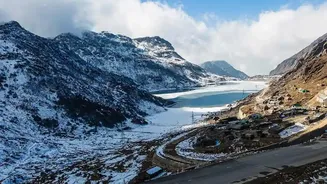
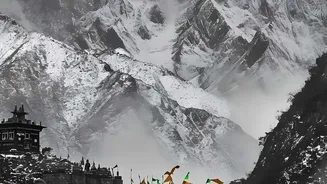
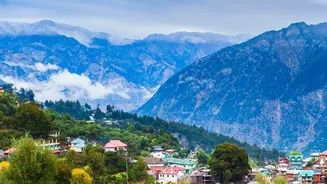
November is a month of trade-offs. The monsoon rains have passed, leaving behind clear skies and fantastic mountain views, making it ideal for trekking and exploration in many areas. Daytime temperatures can be pleasant, but the nights get progressively
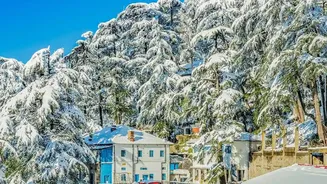
colder, often dropping below freezing at higher altitudes. This is the period when autumn colours give way to the first signs of winter snow. Consequently, transport becomes less predictable. While you benefit from lower tourist numbers, you must plan for potential disruptions caused by early snowfall and freezing temperatures, which can lead to road closures with little warning.
Navigating Roads and High Passes
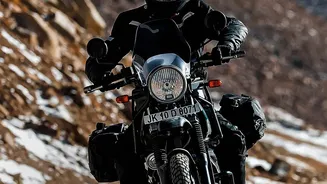
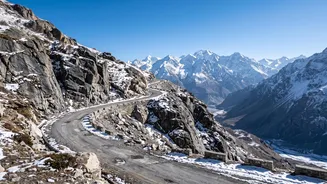
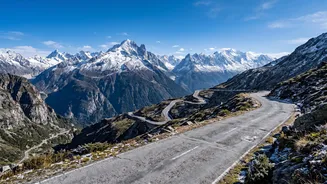
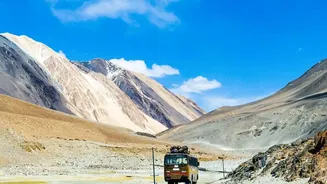
Road travel is the biggest variable in November. While many routes in Uttarakhand and lower Himachal Pradesh remain accessible, high-altitude passes begin to close. The iconic Manali-Leh Highway, for instance, officially closes for vehicles around mid-to-late November due to heavy snowfall and dangerous icy conditions, particularly on stretches like the Baralacha La pass. Similarly, Rohtang Pass near Manali usually closes to tourists by the end of November, though the exact date is weather-dependent and can change annually. The Srinagar-Leh highway may remain open a little later but is also subject to closure. The Atal Tunnel provides a crucial all-weather link to Lahaul valley from Manali, keeping areas like Sissu accessible even when Rohtang is shut. Always check the real-time status of specific roads with local authorities like the District Administration or Border Roads Organisation (BRO) before you travel.
Air Travel: The More Reliable Option
For destinations like Ladakh, flying becomes the most practical and reliable mode of transport in November. Regular flights operate to Leh's Kushok Bakula Rimpochee Airport from major cities like Delhi. While air travel bypasses the uncertainty of road closures, it's not without its own challenges. The Himalayan weather can be fickle, and flights can be delayed or cancelled due to poor visibility or snowfall. It's wise to book tickets well in advance and add buffer days to your itinerary. This accounts for potential delays and allows you to properly acclimatize to the high altitude in Leh, which is crucial for a safe and enjoyable trip.
Local Transport: Availability and Strategy
Within regions like Uttarakhand and Himachal, local transport such as buses and shared taxis continue to operate. However, as the tourist season winds down, the frequency of these services might be reduced, especially on less-travelled routes. For greater flexibility and reliability, hiring a private car with a local driver is highly recommended. Experienced local drivers are adept at navigating mountain roads and are often well-informed about current conditions. If you are on a budget, state-run buses are a viable option for connecting major towns, but be prepared for longer journey times. Pre-booking taxis for key parts of your journey is a smart strategy to avoid being stranded.
Planning for a Smooth Journey
Flexibility is your greatest asset when travelling in the Himalayas in November. Build contingency days into your schedule. If your itinerary involves high passes, have a backup plan or an alternative route in mind. Before you leave, and each day during your trip, check reliable sources for weather and road updates. The IMD Shimla website and district administration social media pages are valuable resources for Himachal. For Ladakh, many local travel operators provide daily updates. Given the potential for sudden changes, avoid pre-booking all your accommodation, especially in more remote areas, to allow for spontaneous changes to your plan if a road is unexpectedly closed.