




The Treasure in Your Trash
Before you dismiss it as just another piece of kitchen waste, let’s talk about what’s inside a banana peel. It’s a fantastic organic source of essential plant nutrients. The star of the show is potassium (K), which is vital for overall plant health. Banana
peels are one of the best natural sources of it. Besides potassium, they also contain smaller but significant amounts of phosphorus (P), calcium, and magnesium. In the world of fertilisers, you often see numbers like 10-10-10, representing Nitrogen-Phosphorus-Potassium (N-P-K). While banana peels are low in nitrogen, their high potassium content makes them a superb supplement, especially for flowering and fruiting plants. Think of it as a power-up for blooms, helping your plants channel their energy into producing beautiful, healthy flowers rather than just leafy growth.
Why Your Flowers Crave Potassium
So, what does potassium actually do for your hibiscus, roses, or marigolds? It’s like a master regulator for plants. Potassium helps move water and nutrients between cells, strengthens cell walls, and supports the enzymes that manage everything from photosynthesis to fruit development. For flowering plants, this is critical. A healthy dose of potassium encourages the plant to set more buds and produce larger, more colourful blooms. It also improves the plant's resistance to drought, extreme temperatures, and common diseases. If your plants look a bit weak, have yellowing leaf edges, or are slow to flower, a potassium deficiency could be the culprit. A homemade banana peel fertiliser provides this key nutrient in a gentle, slow-release form that’s easy for the plant to absorb without the risk of chemical burn associated with synthetic fertilisers.
A Simple Recipe for 'Banana Tea'
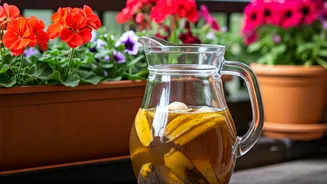
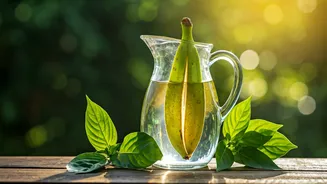
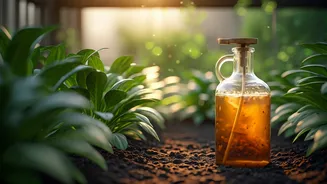
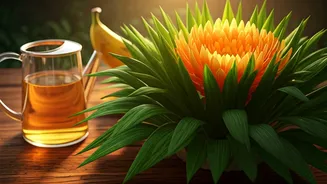
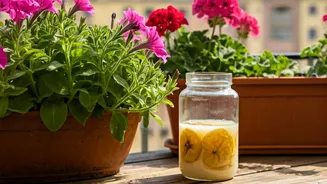
Ready to brew some magic for your balcony? Making a nutrient-rich liquid fertiliser, often called 'banana tea', is incredibly simple. You don’t need any fancy equipment. 1. **Collect & Chop:** Start by collecting the peels from 2-3 bananas. Chop them into small, one-inch pieces. Chopping increases the surface area, allowing more nutrients to leach into the water. 2. **Soak:** Place the chopped peels in a clean glass jar (a 1-litre jar works well) and fill it with water, leaving an inch of space at the top. Seal the jar tightly. 3. **Steep:** Let the jar sit in a cool, dark place for about three to five days. You’ll notice the water turning a pale, murky brown. This is a good sign! It means the nutrients are being released. 4. **Strain:** After a few days, strain the liquid into another container. Your concentrated 'banana tea' is now ready. You can add the leftover soggy peels to your compost bin or bury them deep in the soil of a large pot.
How to Use It for Best Results
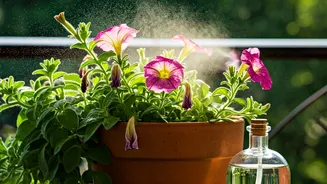
While the headline mentions a 'spray', the most effective way to use this liquid gold is as a soil drench. Foliar feeding (spraying the leaves) can sometimes work, but it’s less efficient for absorbing potassium and can encourage fungal growth if the leaves stay damp. For best results, first dilute your banana tea. A good ratio is one part banana tea to four parts water. Use this diluted mixture to water your flowering plants at the base, directly into the soil. This allows the roots to absorb the nutrients efficiently and delivers them exactly where they’re needed. Apply this treatment once every two to three weeks during the growing and flowering season. Avoid using it on seedlings or plants that don’t require high potassium levels. Listen to your plants—they’ll show you if they like it with stronger stems and more vibrant blooms.
Common Mistakes to Avoid
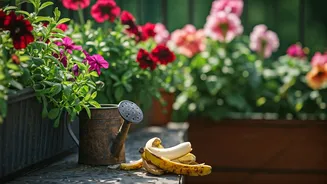
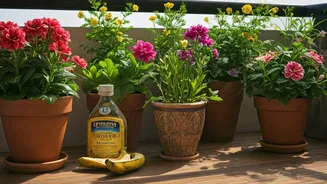
While this DIY fertiliser is fantastic, a few common mistakes can lead to pests or poor results. First, never just toss a whole banana peel on top of the soil in your pot. This is an open invitation for fruit flies, fungus gnats, and other pests, and it can get mouldy and smelly. Second, don't overdo it. Using the banana tea too frequently can create a moisture imbalance and is unnecessary. Once every couple of weeks is plenty. Finally, manage your expectations. This is not an instant miracle cure. Organic fertilisers work gently over time to improve soil health and support the plant. You are building a healthier foundation, and the results—stronger, more resilient plants with better blooms—will follow with consistent care. It's a supplement, not a replacement for good soil, proper sunlight, and adequate watering.