



The Monsoon's Culinary Call
There's a well-documented science to why we crave fried, warm snacks when it rains. Gloomy skies can lead to a dip in serotonin, our mood-regulating hormone. In response, our brains seek a quick pick-me-up, which carb-rich, fatty foods are primed to provide.
Add to this the cool, damp weather, and our bodies instinctively ask for warmth and energy, a call that a hot plate of pakoras or a steaming samosa answers perfectly. In India, this biological urge is deeply woven into cultural tradition. The combination of chai and fried snacks is not just a habit; it's a shared ritual, a comforting response to the pitter-patter of raindrops.
From Street Carts to Café Tables
For generations, these monsoon cravings were satisfied at home or by a local street-side vendor expertly frying snacks. Now, a new chapter is unfolding in Delhi's chic cafés. Establishments known for their artisanal coffee and minimalist aesthetics are embracing the desi monsoon spirit. The appeal lies in a fusion of nostalgia and novelty. These cafés are not just placing simple pakoras on a plate; they are curating an experience. This trend sees street food classics being reinterpreted, elevated, and presented to a new generation of diners who appreciate both global trends and local traditions. Cafés like Chaayos and Cafe Delhi Heights have previously been noted for their monsoon-special menus that cater to these exact cravings.
What's on the Menu?
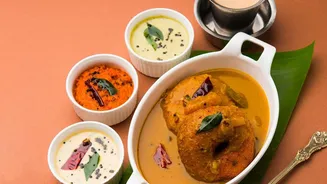
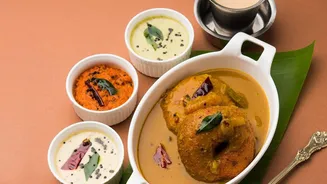
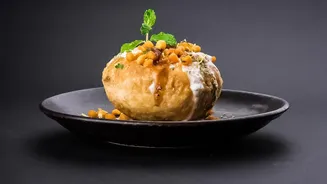
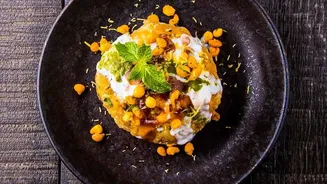
Walk into a trendy Delhi café this season, and you'll find menus celebrating the rain. Expect to see 'Pakora Platters' featuring not just the usual onion and potato, but also paneer, spinach, and even banana fritters served with an array of artisanal chutneys. The humble samosa might be deconstructed into a 'Samosa Chaat' with cranberry and cashew, or filled with inventive ingredients like spiced chicken. You might find 'Ram Ladoos', crispy lentil balls, topped with grated radish and tangy sauces, or Mirchi Vada, green chillies stuffed with a spicy potato mix. These dishes are often paired with elevated versions of masala chai, sometimes featuring pahadi spices or served in traditional kulhads to complete the experience.
A Taste of Nostalgia and Modernity
This trend is more than just good business; it's a cultural statement. By bringing these foods into a contemporary café setting, owners are tapping into a powerful sense of nostalgia. For many patrons, a bite of a perfectly crisp bhajiya can transport them back to rainy childhood afternoons. Yet, the café environment adds a layer of modern comfort and hygiene, a significant factor during monsoon when concerns about street food can be higher. It's a clever blend of worlds: the authentic, soulful flavours of home-cooked snacks, presented with the polish and Instagram-worthy aesthetic that defines today's dining scene. Some establishments even offer modern twists, like Chili Chicken Puchkas or Keema Bread Pakoras, bridging the gap between traditional snacks and global palates.
The Business of Comfort
For café owners, the monsoon menu is a smart, seasonal strategy. It allows for creative, low-risk menu development that resonates deeply with the local customer base. These dishes use relatively inexpensive, readily available ingredients like gram flour, potatoes, and onions, but can be presented as premium offerings. It keeps the menu dynamic and responsive to the changing season, giving regulars a new reason to visit. In a competitive market like Delhi, being able to connect with customers on an emotional level is invaluable. And nothing connects quite like the shared, city-wide love for comforting food on a rainy day.