


More Than Just Pretty Flowers
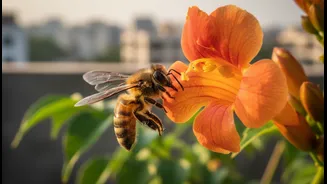
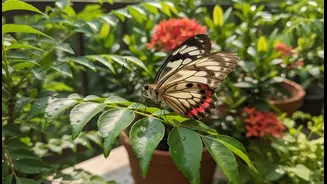
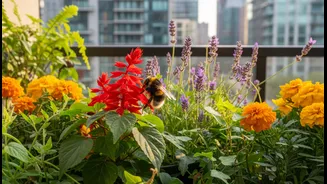
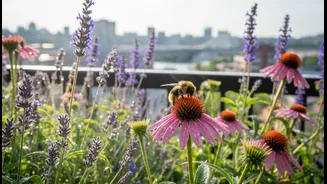
So, what exactly is a pollinator garden? At its heart, it's a garden designed specifically to attract and support pollinators—the bees, butterflies, birds, and even bats that are crucial for plant reproduction. These creatures are responsible for helping
produce one out of every three bites of food we eat. A pollinator garden isn't just a random collection of plants; it's a curated ecosystem. It provides nectar- and pollen-rich flowers, water sources, and shelter, creating a safe haven for these vital species. The goal is to offer a continuous buffet from spring through fall, ensuring these hardworking creatures have the resources they need to thrive.
The Eco-Conscious Flex
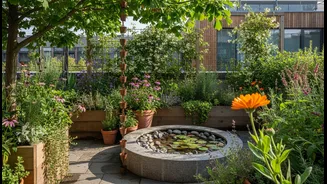
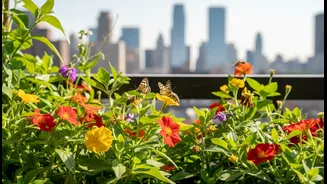
In an urban setting, a pollinator garden is a powerful statement. It's a 'flex' that showcases a commitment to environmental health. Cities often become 'food deserts' for pollinators due to habitat loss. Small patches of native plants on a balcony, rooftop, or in a community space can act as crucial stepping stones, connecting fragmented habitats and creating corridors for wildlife to travel. These gardens do more than just feed bees; they boost local biodiversity, improve air quality, and can even help reduce the urban heat island effect, where cities are significantly warmer than surrounding rural areas. By cultivating one, you are actively participating in healing the local ecosystem, creating a ripple effect that benefits the entire community.
Your Balcony, Their Buffet
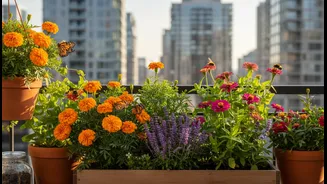
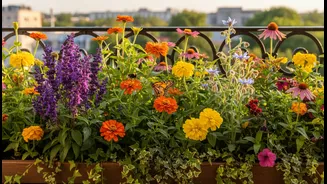
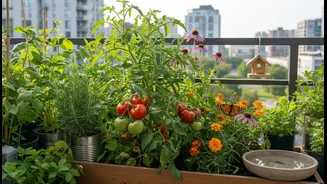
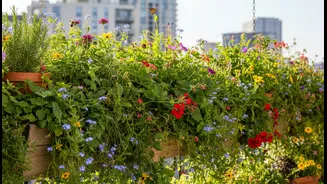
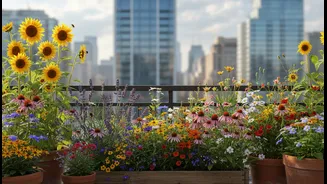
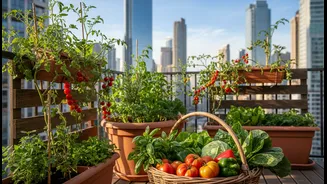
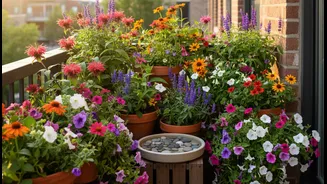
The beauty of this trend is its accessibility. You don’t need a sprawling backyard to make a difference. A few pots on a balcony or a window box can become a vibrant mini-sanctuary. For Indian cities, the options are plentiful and beautiful. Brightly-coloured Marigolds are easy to grow and are a magnet for butterflies and bees. Sacred Tulsi, a staple in many Indian homes, also attracts pollinators with its nectar-rich flowers when it blooms. Other great choices include flowering herbs like Lavender, Mint (Pudina), and Curry Leaf plants, whose flowers are often overlooked but are loved by pollinators. The key is to choose native or well-adapted plants, as they are four times more likely to attract local pollinators and require less maintenance. Providing a shallow dish of water with pebbles for insects to land on completes your mini-oasis.
From a Single Pot to a Community Effort
While individual gardens are impactful, the trend is also scaling up. Community gardens are gaining popularity across Indian cities, transforming underused public spaces, and even rooftops, into hubs of greenery and social connection. These shared plots not only provide fresh, organic produce but also serve as larger habitats for pollinators and educational spaces for residents. Recent initiatives in cities like Coimbatore are focused on creating dedicated 'nectar gardens' with hundreds of native plant species to build green corridors for pollinators across the urban landscape. Joining or starting a community garden amplifies individual efforts, fostering a collective sense of ownership and making a tangible environmental impact. It transforms sustainability from a personal choice into a shared community value.