



The Rise of the Experience Economy
For generations, the Indian dream was built on tangible assets: a stable job, a family car, and eventually, a home. Financial prudence meant saving diligently for these long-term goals. Today, for many millennials and Gen Z, that script is being rewritten.
They are the driving force behind the 'experience economy,' where spending on memories is valued as much, if not more, than spending on material possessions. Instead of another EMI, the new aspiration is another stamp in the passport—or, more realistically, another weekend trip to a new corner of the country. This shift is partly psychological. In an unpredictable world, the gratification of an immediate experience feels more tangible and rewarding than a distant, uncertain goal.
Post-Pandemic 'Revenge Travel'
The impact of the COVID-19 pandemic cannot be overstated. Two years of lockdowns, restrictions, and uncertainty created a powerful, pent-up desire to break free, explore, and live life to the fullest. This phenomenon, dubbed 'revenge travel,' is a key driver of the current surge. The spontaneity is a direct reaction to years of meticulous planning and subsequent cancellations. Young Indians are seizing opportunities as they arise, unwilling to postpone joy. The mindset has shifted from “someday” to “why not now?” This has led to a preference for shorter, more frequent trips that can be booked with little notice, capitalising on a long weekend or a few days of remote work.
Technology as the Great Enabler
This trend wouldn't be possible without the technological infrastructure that supports it. Budget airlines have made flying more accessible than ever, with competitive pricing on routes to smaller cities and leisure destinations. More importantly, travel aggregators and booking apps have mastered the art of the last-minute deal. Push notifications alerting users to flash sales and price drops create a sense of urgency and opportunity. The entire process, from discovery to booking flights and accommodation, can be completed on a smartphone in minutes. This digital fluency removes the friction that once made spontaneous travel a logistical nightmare, turning a fleeting idea into a booked reality.
The Instagram Itinerary
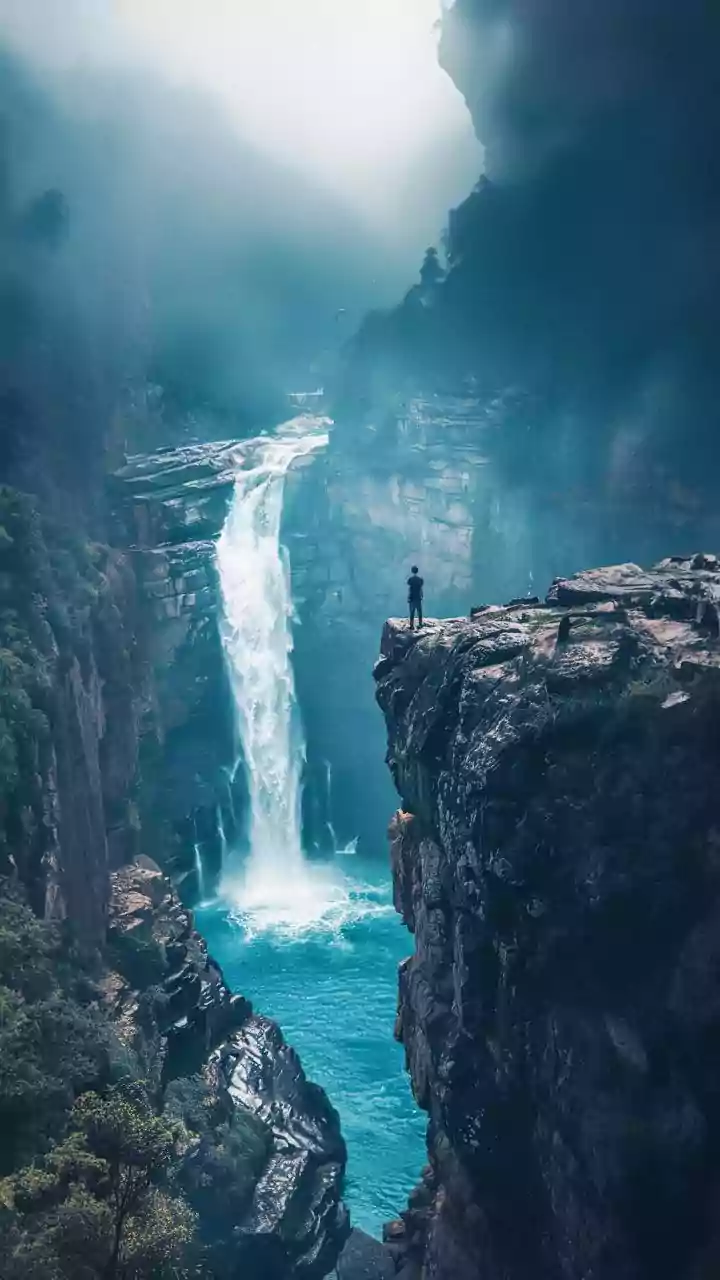
Social media, particularly Instagram, plays a dual role as both inspiration and validation. It's a powerful discovery engine. A friend’s story from a hidden waterfall in Meghalaya or an aesthetic café in Pondicherry can plant a seed that quickly grows into a travel plan. ‘Instagrammable’ has become a key criterion for choosing a destination. Beyond just beautiful pictures, social media provides a crowdsourced itinerary, complete with recommendations for stays, food, and photo spots. For many, travel is also a way to build a personal brand and curate a life that feels dynamic and fulfilling online. This creates a powerful feedback loop: seeing others travel inspires you to travel, and your travel, in turn, inspires others.
The 'Work from Anywhere' Revolution
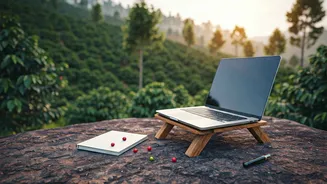
The normalization of remote and hybrid work has been a game-changer. Previously, travel was confined to weekends and precious annual leave. Now, with many companies offering flexible work arrangements, the office can be a Goan beach shack or a mountain homestay with good Wi-Fi. This has given rise to the 'workation' or 'bleisure' (business + leisure) trip, where young professionals can extend a weekend getaway by working remotely for a few extra days. This flexibility fundamentally alters the economics and logistics of travel, making it easier to escape the city more frequently without eating into a limited leave balance. It dissolves the rigid boundary between work and life, integrating travel into the regular rhythm of the month.