
A Legacy Baked in Earth
Long before it was a trending hashtag, terracotta—literally 'baked earth'—was a fundamental part of life on the Indian subcontinent. Its history dates back thousands of years to the Indus Valley Civilisation, where excavations have unearthed countless
clay figurines, vessels, and even children's toys. This is a craft tradition born from the soil itself, accessible and versatile. Unlike marble or precious metals, clay belonged to everyone, shaped into everything from the humble 'diya' for festivals to the iconic 'matka' that cools water naturally. This deep-rooted history gives terracotta a narrative quality; each piece feels connected to a lineage of artisans, carrying a story of function, spirituality, and everyday beauty.
The Modern-Day Revival
So why is this ancient material resonating so strongly in 2026? The resurgence of terracotta is tied to a broader shift towards conscious and mindful living. In an age of mass production, there is a growing desire for authentic, handcrafted objects that tell a story. Furthermore, as we seek to create calming sanctuaries in our homes, terracotta's warm, earthy tones provide a perfect antidote to the coldness of minimalist design. This trend aligns with biophilic design, which aims to connect our indoor spaces with nature. Terracotta, in its most natural form, is the earth itself, bringing a grounding and serene quality to any room. It is also a champion of sustainability—a natural, biodegradable material that supports local artisan communities.
Styling Terracotta in Today’s Home
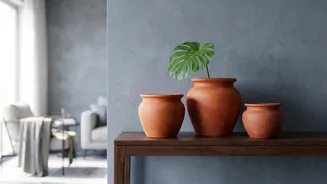
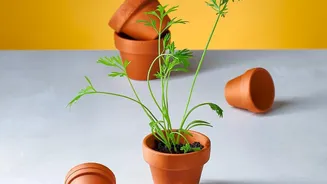
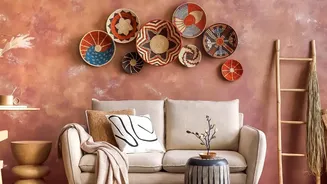
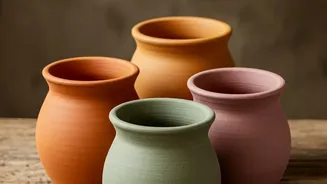
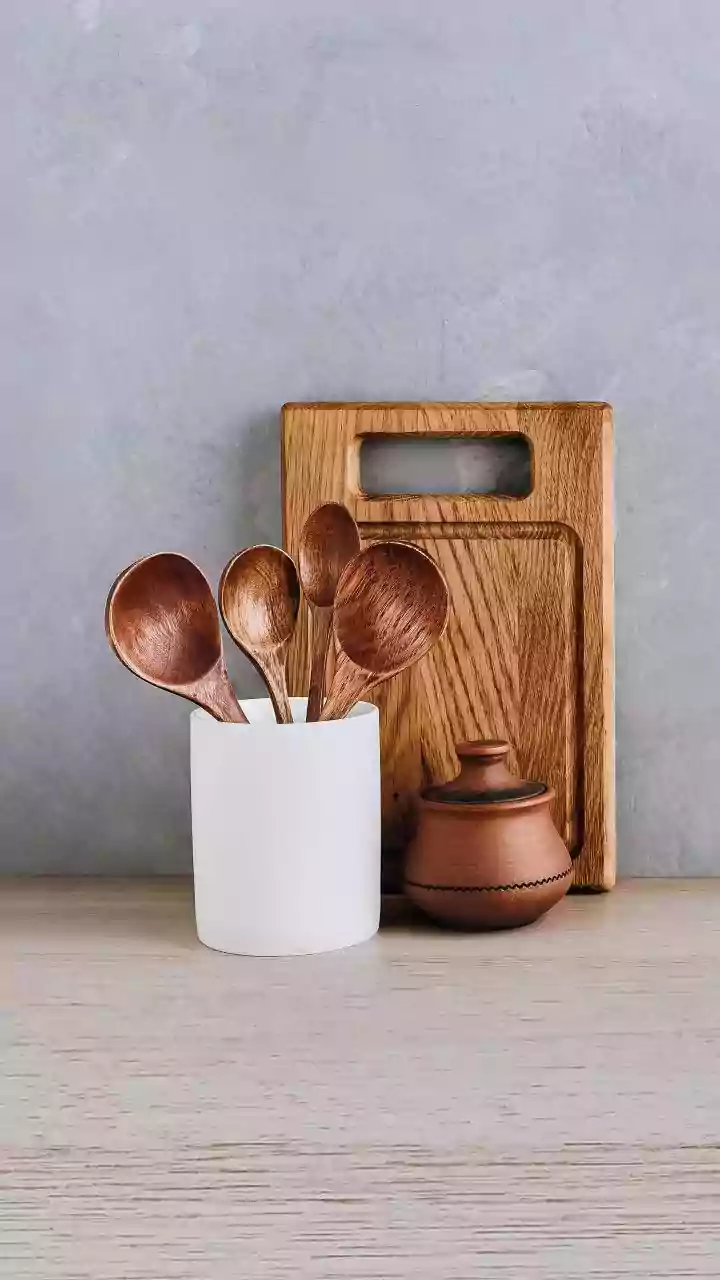
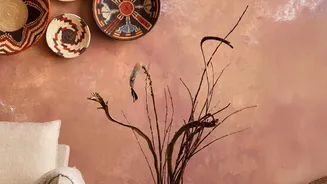
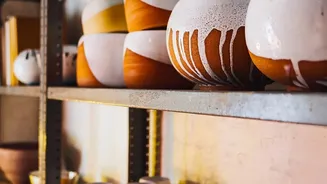
Integrating terracotta into a modern home is about balance and texture. You don't need a complete overhaul to embrace this trend. Start small with planters; the combination of green foliage and reddish-brown clay is a timeless classic that instantly breathes life into a space. Grouping a few terracotta vases of different shapes and sizes on a shelf or table can create a powerful focal point. For a bolder statement, consider a terracotta accent wall, which can add immense warmth and character to a living room or bedroom. This earthy hue pairs beautifully with a range of colours, from crisp whites and soft beiges to deep olive greens. It also complements natural materials like wood, rattan, and linen, creating a rich, layered look that feels both sophisticated and inviting.
More Than Just a Pretty Pot
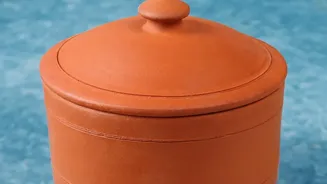
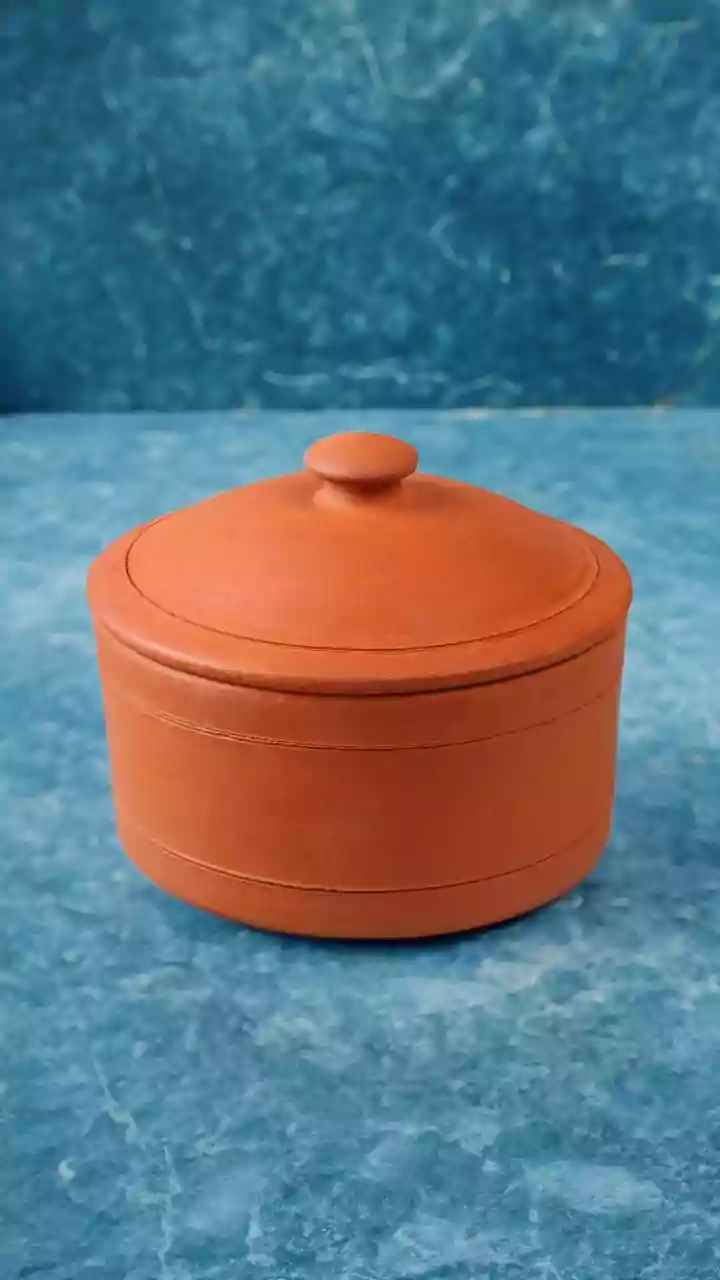
The appeal of terracotta extends far beyond its aesthetic qualities. Clay cookware, for instance, is celebrated for its health benefits. The porous nature of clay allows for slow, even heat distribution, which helps retain the moisture and nutrients in food. Many cooks swear that dishes prepared in clay pots have a richer, more complex flavour. The alkalinity of clay can also help neutralize the acidity of foods like tomatoes, making them easier to digest. And of course, there's the beloved 'matka' or 'ghada', which uses the natural principle of evaporation to keep water refreshingly cool, a low-tech solution perfectly suited to the Indian climate.
Choosing the Right Piece for You
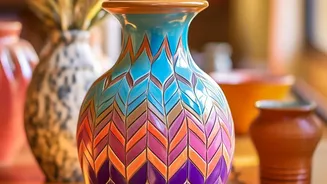
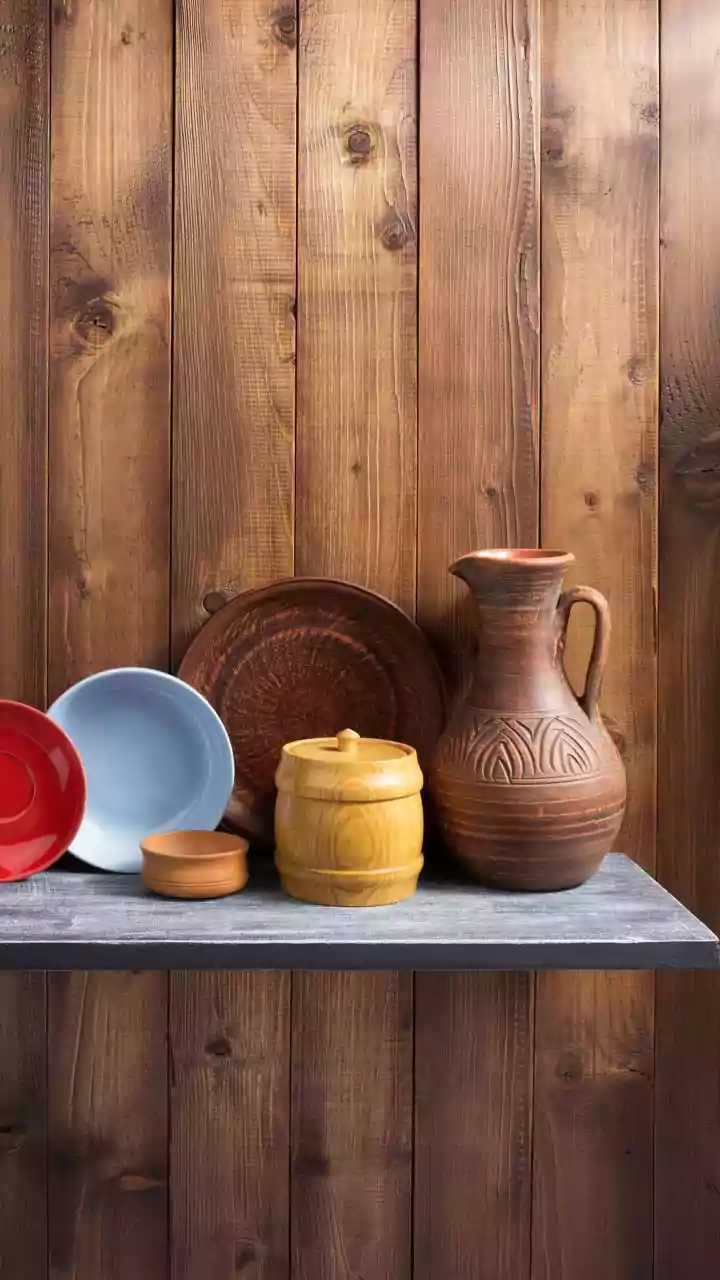
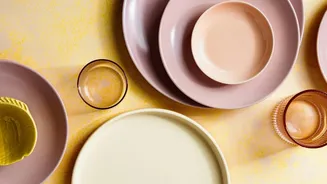
When shopping for terracotta, you'll find a wide spectrum of styles. On one end are the rustic, unglazed pieces that showcase the raw beauty of the clay. These are perfect for a bohemian or farmhouse aesthetic. On the other end are modern interpretations, which may feature sleek glazes, painted patterns, or minimalist forms that fit seamlessly into contemporary decor. Think about the role you want the piece to play. A large, sculptural water jar can be a dramatic statement piece, while a set of terracotta 'kulhads' for serving tea offers a more subtle, everyday connection to tradition. By choosing to buy from local potters and craft collectives, you not only acquire a beautiful object but also help sustain an ancient and invaluable craft.