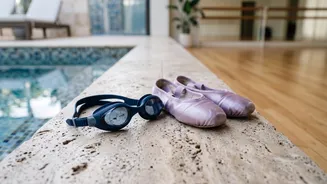





The Physical Effort and Calorie Burn
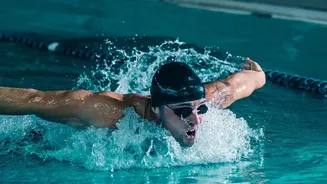
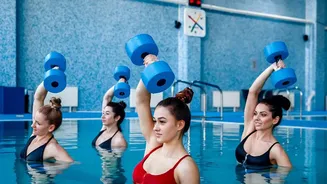
When it comes to effort, both swimming and dancing are formidable workouts. Swimming is a full-body exercise that uses the resistance of water to engage almost every major muscle group simultaneously, from your arms and legs to your core and back. This
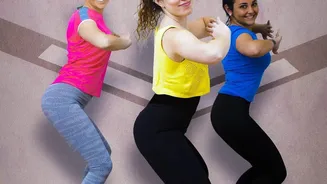
constant resistance makes it a highly efficient way to build strength and cardiovascular fitness. The calorie burn in swimming can be significant, with estimates for a moderately paced swim ranging from 270 to over 400 calories per hour, depending on intensity and body weight. Dancing, particularly high-energy styles like street dance or salsa, can also be a major calorie burner. Some studies have even found that certain types of dance can burn more calories per hour than swimming. The key difference lies in the impact. Swimming is famously low-impact, making it gentle on the joints and an excellent choice for people of all ages or those with mobility issues. Dancing is a weight-bearing exercise, which is excellent for building bone density, but can be harder on the joints depending on the style.
Muscle Engagement and Toning
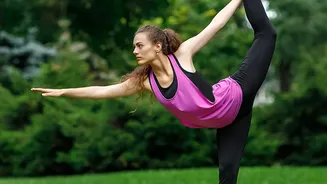
Both activities are champions of the full-body workout, but they build strength in different ways. Swimming requires coordinated movement of the arms, legs, and core to propel your body through the water, leading to improved muscle tone, strength, and endurance. Different strokes target muscles differently; for example, swimmers often develop powerful shoulders and upper backs. Dance also engages multiple muscle groups, with a strong emphasis on core strength for posture and stability, and leg muscles for footwork and balance. Styles like ballet are renowned for developing lean muscle, flexibility, and incredible balance. While swimming provides a balanced, comprehensive workout for the entire body, dance can offer more targeted muscle development depending on the style. A ballet dancer's training, for instance, focuses on precise muscle control and strength that may differ from the endurance-based power of a swimmer.
The Consistency and Accessibility Factor
The best exercise is the one you do consistently. For swimming, consistency is key to building the 'feel' for the water and developing muscle memory for efficient strokes. However, it requires access to a pool, which can be a barrier in terms of cost or convenience. Dancing, on the other hand, can be done almost anywhere. You can join a class, follow an online tutorial, or simply move to music in your living room, making it highly accessible. The social nature of dance classes also provides accountability and motivation for many people. This can make it easier to stick with long-term. Ultimately, consistency depends on which activity you find more motivating and easier to integrate into your life.
The Allwarding Enjoyment Quotient
This is where the two activities truly diverge. Enjoyment is a massive factor in long term fitness success. For many, the rhythmic, expressive nature of dance makes exercise feel less like a chore and more like a joy. The connection to music and the creative outlet it provides can boost your mood, reduce stress, and even make you feel energized. Studies have shown that dance can improve psychological well being, reduce anxiety, and foster a sense of community. Swimming offers a different kind of pleasure. The rhythmic, repetitive nature of swimming can have a calming, meditative effect, helping to reduce stress and improve focus. The feeling of weightlessness in the water is a unique sensation that many find both refreshing and therapeutic. While some might find swimming laps monotonous, others find it to be a perfect way to disconnect from daily stressors and focus on the present moment.