



Start With Forgiving Plants
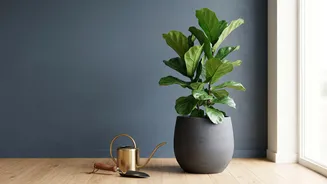
Your journey to becoming a plant parent begins with choosing the right companion. Not all plants are created equal, and some are far more forgiving of beginner mistakes than others. Start with easy-to-care-for varieties that tolerate a range of conditions.
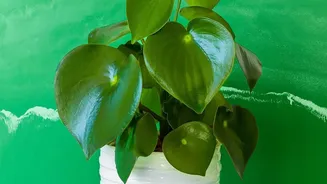
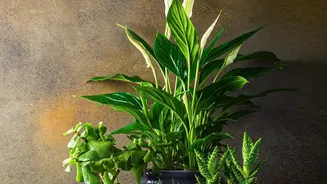
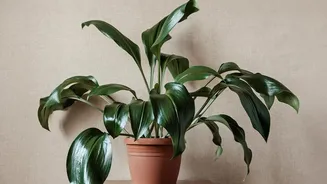
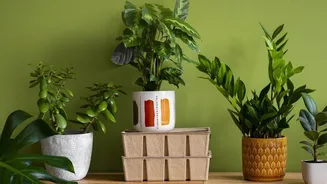
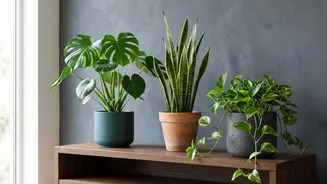
Think of plants like the Snake Plant, ZZ Plant, Pothos, or Spider Plant. These resilient options are known for their ability to withstand occasional neglect and adapt to different light levels, making them perfect for building your confidence. Before buying, do a little research on a plant's basic needs to ensure it's a good match for your home environment.
Master the Art of Watering
The single most common mistake new plant owners make is overwatering. It's an act of love that unfortunately suffocates the roots, leading to root rot. Instead of watering on a fixed schedule, check the soil first. A simple rule is to stick your finger about two inches into the soil; if it feels dry at that depth, it's time to water. When you do water, do it thoroughly. Pour water slowly over the entire soil surface until it flows out of the drainage holes at the bottom. Then, be sure to empty any excess water from the saucer, as no plant wants to sit in a puddle. Remember that plants need less water in cooler months when their growth slows down.
Understand Your Home's Light
Light is food for plants, but every plant has its own dietary preference. Take a moment to observe the light in your home. Do you have windows that get intense, direct sun for hours? Or do you have spots that receive softer, indirect light? Most popular houseplants, like Monstera and Philodendron, thrive in bright, indirect light. Placing them too close to a sunny window can scorch their leaves. Low-light tolerant plants like the ZZ Plant or Pothos can manage in dimmer corners, but even they appreciate being near a window if possible. If your plant starts to look pale or stretches towards a window, it's telling you it needs more light.
The Right Pot and Soil Matter
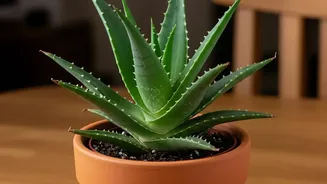
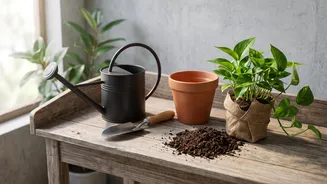
A plant's home is just as important as light and water. The most critical feature of any pot is drainage. Ensure your container has holes at the bottom to allow excess water to escape. Without drainage, water will pool and cause root rot, no matter how carefully you water. When it comes to soil, using a pre-sterilised, balanced potting mix from a garden centre is the easiest and safest bet for a beginner. Different plants have different needs; for instance, succulents and cacti require a special mix that drains very quickly. A common mistake is putting rocks at the bottom of a pot thinking it improves drainage—it actually hinders it. Focus instead on a good pot with holes and the right soil.
Know When to Repot and Feed
As your plant grows, it will eventually need a bigger home. Signs that it's time to repot include roots growing out of the drainage holes or the soil drying out extremely quickly. However, don't rush to repot a new plant as soon as you bring it home. Give it a few weeks or even months to acclimate to its new environment first. When it comes to feeding, less is often more. Most houseplants don't need a lot of fertiliser, and over-fertilising can burn their roots. Plants like cacti and succulents need very little food, while flowering plants may require more to bloom. Generally, you only need to fertilise during the growing seasons of spring and summer.