


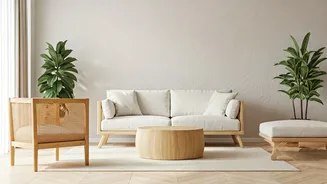


Meet Japandi: The Perfect Fusion
At its heart, the trend is a beautiful marriage of two design philosophies: the rustic minimalism of Japanese aesthetics and the soft, functional warmth of Scandinavian design. Coined "Japandi," this hybrid style is more than just a look; it's a feeling.
Where Japanese design, rooted in the 'wabi-sabi' principle, finds beauty in imperfection and simplicity, Scandinavian design, known for 'hygge,' emphasizes coziness, comfort, and well-being. Together, they create a space that is uncluttered but warm, minimalist but inviting, and deeply connected to the natural world. It’s the ideal antidote to the chaos of modern life, especially well-suited for the clean lines and smaller footprints of urban apartments.
The Palette: Earthy and Muted
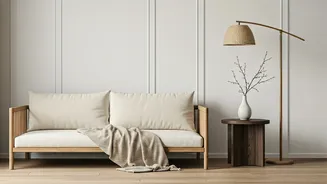
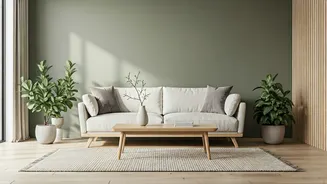
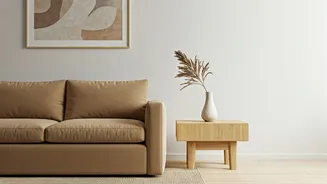
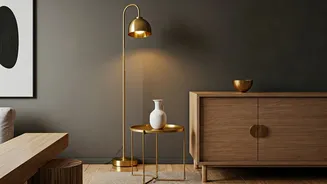
Forget stark white walls and bold, jarring colors. The Japandi color palette is soothing, sophisticated, and drawn from nature. Think of the soft beige of sand, the gentle gray of a river stone, the deep warmth of terracotta, and the muted greens of a forest floor. While the base is neutral, it’s not boring. The Scandinavian influence brings in light, airy tones that maximize natural light, while the Japanese side contributes richer, earthier colors for depth and contrast. To add a touch of drama without overwhelming the space, consider using a single, impactful accent color like a deep indigo, olive green, or even a statement black on a single piece of furniture or light fixture.
Materials: Natural and Textural
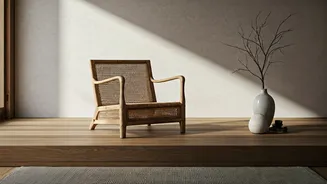
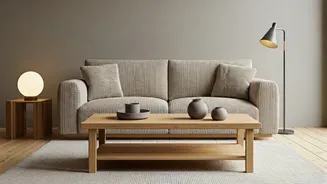
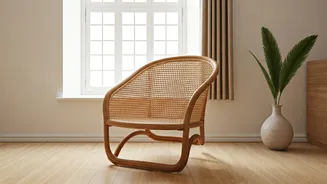
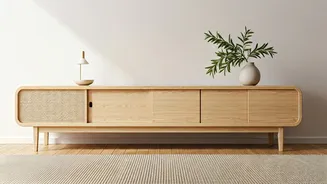
This is where the style truly comes alive. Japandi is a celebration of natural materials and craftsmanship. Light-toned woods like oak, maple, and ash (a Scandinavian staple) are often paired with the darker, richer tones of Japanese woods like cypress (hinoki) or stained pine. Beyond wood, the focus is on texture. Think woven rattan screens, bamboo furniture, unbleached linen curtains, chunky wool throws, and handmade ceramic pottery. The interplay of these different textures adds visual interest and a tactile quality that prevents the minimalist aesthetic from feeling cold or sterile. The goal is to choose pieces that feel authentic, durable, and connected to the earth.
Furniture: Low-Profile and Functional
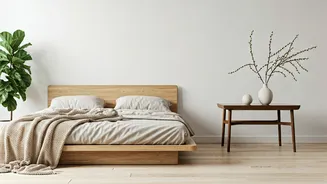
Japandi furniture is all about clean lines, high-quality craftsmanship, and purpose. You won't find ornate details or superfluous ornamentation here. Pieces tend to be low-slung, bringing you closer to the ground in a nod to Japanese tradition, which fosters a sense of groundedness and calm. Scandinavian functionality ensures that every piece serves a purpose, often with clever storage solutions built in. Look for simple platform beds, armless sofas with clean silhouettes, and beautifully crafted wooden tables and chairs. The key is to invest in fewer, better things. A single, well-made statement piece will have more impact than a room full of disposable, trend-driven items.
Decor: Less is More, But Intentional
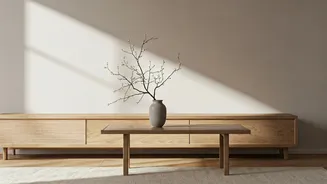
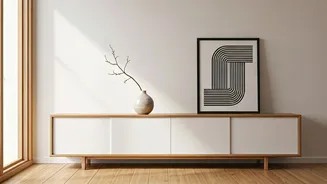
The final layer is about mindful curation, not accumulation. Japandi rejects clutter. Instead of filling shelves with knick-knacks, it calls for a few carefully chosen objects that have personal meaning or exceptional beauty. This is where the 'wabi-sabi' concept shines—embracing the beauty of imperfect, handmade items. A slightly irregular ceramic vase, a single, dramatic branch in a simple pot, or a stack of well-loved books can become a focal point. Indoor plants are also essential, bridging the gap between inside and out. Choose plants with interesting silhouettes, like a bonsai tree or a fiddle-leaf fig, to add a touch of organic sculpture to the room.