






Why This Check is Crucial
After weeks of high humidity and persistent rain, moisture can seep into places you least expect. It doesn't just cause aesthetic issues like peeling paint; it creates a breeding ground for mould and mildew, which can trigger allergies and respiratory
problems. Unchecked dampness can also lead to the structural decay of wooden elements, compromise electrical systems, and attract pests. Think of this check as a crucial bit of preventative healthcare for your home.
Start with Walls and Ceilings
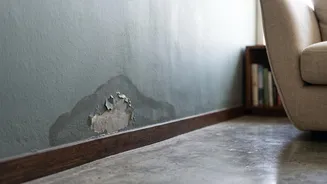
Your walls and ceilings are the first to show signs of trouble. Do a slow, careful visual inspection of every room. Look for yellow or brown stains, which are classic signs of a water leak. Check for bubbling or peeling paint, a clear signal that moisture is trapped underneath. Run your hand over the walls; a surface that feels unusually cool or tacky is a red flag for dampness. Don't just look; use your nose. A persistent musty smell, especially after the rain has stopped, often points to hidden moisture before any visible damage appears.
Inspect Wooden Furniture and Fixtures
Wood is particularly susceptible to moisture. Check all your wooden doors and window frames. Do they stick or have they become difficult to close? This often means the wood has swollen from absorbing moisture. Open your wardrobes and kitchen cabinets. A musty odour is a common problem in these enclosed spaces. Inspect the back panels for any dark spots or fuzzy mould growth. In kitchens, particleboard used for cabinets can warp and swell, providing a perfect environment for mildew.
Dealing with the Musty Smell
That signature post-monsoon musty odour is a sign of microbial growth. To combat it in cupboards and wardrobes, start by emptying them completely. Wipe down all interior surfaces with a solution of equal parts white vinegar and water, then let them air dry completely with the doors open. Placing a small bowl of baking soda or activated charcoal inside before restocking can help absorb lingering odours and moisture. Ensure clothes and linens are perfectly dry before storing them, as even slight dampness can restart the cycle.
Check Outside and Around
The problem might be originating from the outside. Inspect your balconies, terraces, and any external drainage pipes. Ensure gutters and drains are clear of leaves and debris, as blockages can cause water to back up and seep into walls. Look for cracks in the exterior walls, especially around window and door frames, as these are common entry points for rainwater. If you have a flat roof, check for areas where water might be pooling instead of draining away.
Let Your Home Breathe
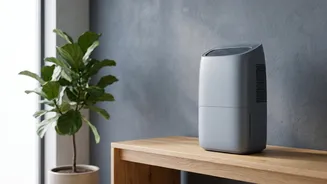
Ventilation is your best friend in the fight against dampness. On dry, sunny days, open all windows and doors to encourage cross-ventilation and allow trapped moisture to escape. Pulling large furniture a few inches away from the walls allows air to circulate behind them, preventing mould from growing in these hidden spots. If humidity remains high, using a dehumidifier can be an effective way to pull excess moisture from the air, maintaining a healthier indoor environment.
When to Call a Professional
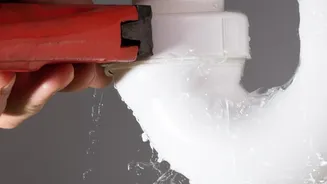
While many minor issues can be handled yourself, some signs warrant professional help. If you see large patches of mould (bigger than about 3x3 feet), it's best to call in experts for remediation. If walls feel soft or are visibly bulging, or if you notice cracks in the foundation, it's time to consult a structural engineer or a waterproofing specialist. Persistent dampness despite your best efforts could indicate a more serious underlying issue, like a plumbing leak within a wall or a significant waterproofing failure on the roof, which requires expert diagnosis.