

Fasting Flours and Grains
For those observing a 'vrat' (fast), traditional grains like wheat and rice are avoided. Instead, the pantry should be filled with fasting-friendly flours. Stock up on Kuttu ka Atta (buckwheat flour), Singhare ka Atta (water chestnut flour), and Rajgira
ka Atta (amaranth flour). These are perfect for making puris, parathas, and cheelas. Another must-have is Sabudana (tapioca pearls), the star ingredient for the beloved Sabudana Khichdi and creamy Sabudana Kheer. Sama ke Chawal (barnyard millet) is an excellent rice substitute, ideal for making pulao or a simple steamed side dish. These ingredients ensure your fasting meal is both compliant and satisfying.
Dairy and Dairy Products
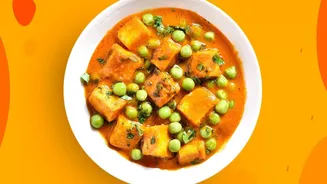
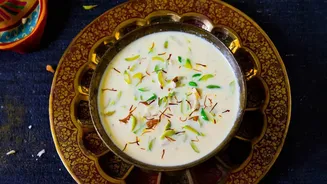
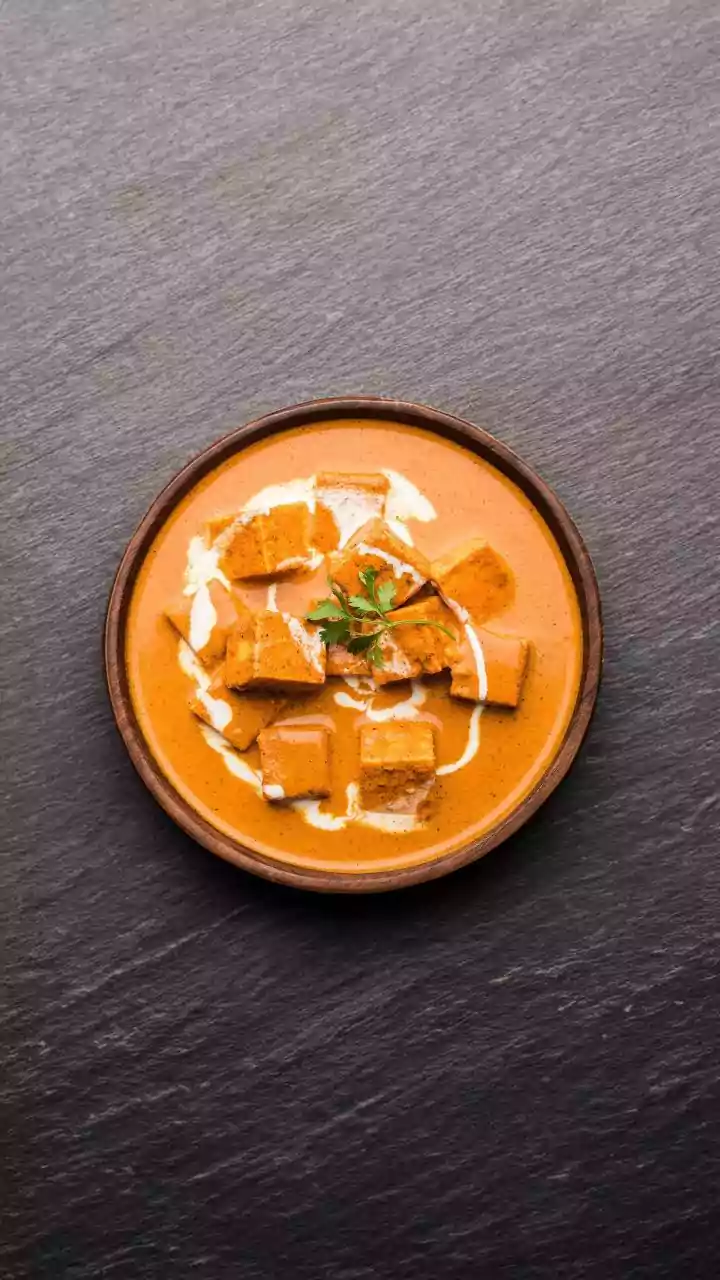
Dairy is central to Janmashtami celebrations, symbolising Lord Krishna's childhood love for butter (makhan) and milk. Ensure you have fresh milk for making sweets like kheer and rabri. Yoghurt (dahi) is essential, not just as a side but also as a key component of Panchamrit, the sacred five-ingredient offering. Ghee is the preferred cooking medium for almost all festive dishes, lending its rich aroma to everything from halwa to puris. Don't forget Makhana (fox nuts), which can be roasted for a light snack or used to prepare the classic Makhana Kheer. Paneer is another versatile ingredient for making rich, sattvic curries.
Essential Fruits and Vegetables
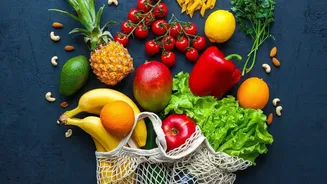
A 'falahari' (fruit-based) diet is a common way to fast. Stocking a variety of fresh, seasonal fruits like bananas, apples, and pomegranates is a great idea. These can be offered as prasad or made into a refreshing fruit chaat. When it comes to vegetables, potatoes are incredibly versatile for fasting menus. You can prepare them as a simple jeera aloo sabzi to accompany kuttu puris or use them in Sabudana Vadas. Other permitted vegetables include sweet potatoes, pumpkin (kaddu), and bottle gourd (lauki), which can be used to make flavourful sabzis and even sweets like Lauki ki Burfi.
Spices and Sweeteners
During fasting, regular table salt is replaced with Sendha Namak (rock salt). This is the only salt permitted, so it's a crucial item for your shopping list. For flavour, stock up on whole spices like cumin seeds (jeera), black peppercorns (kali mirch), and green chillies. Turmeric and mustard seeds are often avoided in vrat cooking. For sweeteners, have sugar, jaggery (gur), and honey on hand. Many traditional sweets like Panjiri and Paag are made with these. Cardamom and saffron are perfect for adding fragrance and richness to your kheers and other desserts.
Nuts and Dry Fruits
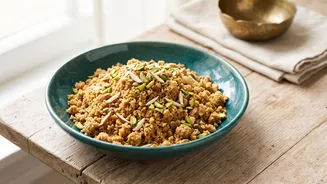
Dry fruits are essential for garnishing sweets and adding a touch of richness to prasad. A good mix of almonds, cashews, pistachios, and raisins will come in handy for nearly every sweet dish you prepare, from kheer to halwa. Peanuts are also a fasting staple, especially for making Sabudana Khichdi, where they add a delightful crunch. They can also be roasted for a simple, protein-rich snack to keep energy levels up during the day. Finely chopped nuts are also a key component of Dhaniya Panjiri, a traditional prasad made for the occasion.
A Simple Menu Suggestion
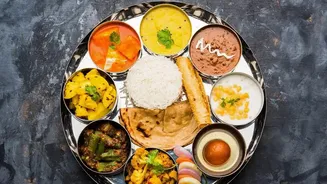
Feeling overwhelmed? Here is a simple, balanced, and festive menu you can create with the ingredients listed. For the main course, consider Sabudana Khichdi or Kuttu ki Puri with a simple Aloo ki Sabzi. For a sweet dish, Makhana Kheer is both easy to make and delicious. Round out the meal with a bowl of fresh fruit chaat and some roasted peanuts. The simplest offering, and one deeply associated with Lord Krishna, is Makhan Mishri—freshly churned white butter mixed with rock sugar. This menu is satisfying, traditional, and allows you to focus on the spiritual aspects of the day.