

The New Indian Pantry
There's a quiet revolution happening in kitchens across India. Urban consumers are increasingly stocking their shelves with foods that are clean, healthy, and high in protein. This shift has moved nut butters from the niche territory of gym-goers to the mainstream
breakfast table, often replacing sugary chocolate spreads and jams. A 2026 survey found that a staggering 86% of Indian snackers consider protein an important factor in their choices. But as palates become more health-aware, they haven't lost their desire for flavour. Consumers want nutrition, but they refuse to settle for bland. This demand for healthy yet delicious options has created the perfect opportunity for innovation.
Beyond Just Peanut Butter
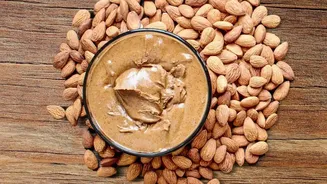
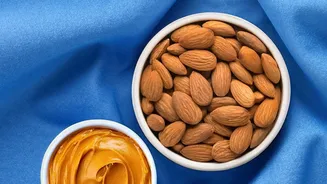
For years, the world of nut butter was fairly predictable. You had your standard peanut butter, and maybe a plain almond butter if you were feeling adventurous. While these are great sources of natural protein and healthy fats, their flavour profile can become monotonous. Artisanal food producers saw this gap not as a limitation, but as a canvas. They realised that the creamy, rich base of ground nuts was the perfect vehicle to carry complex and exciting flavours, moving beyond simple sweetness to embrace the wealth of spices that define Indian cuisine.
A Journey Through the Spice Box
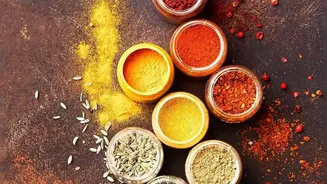
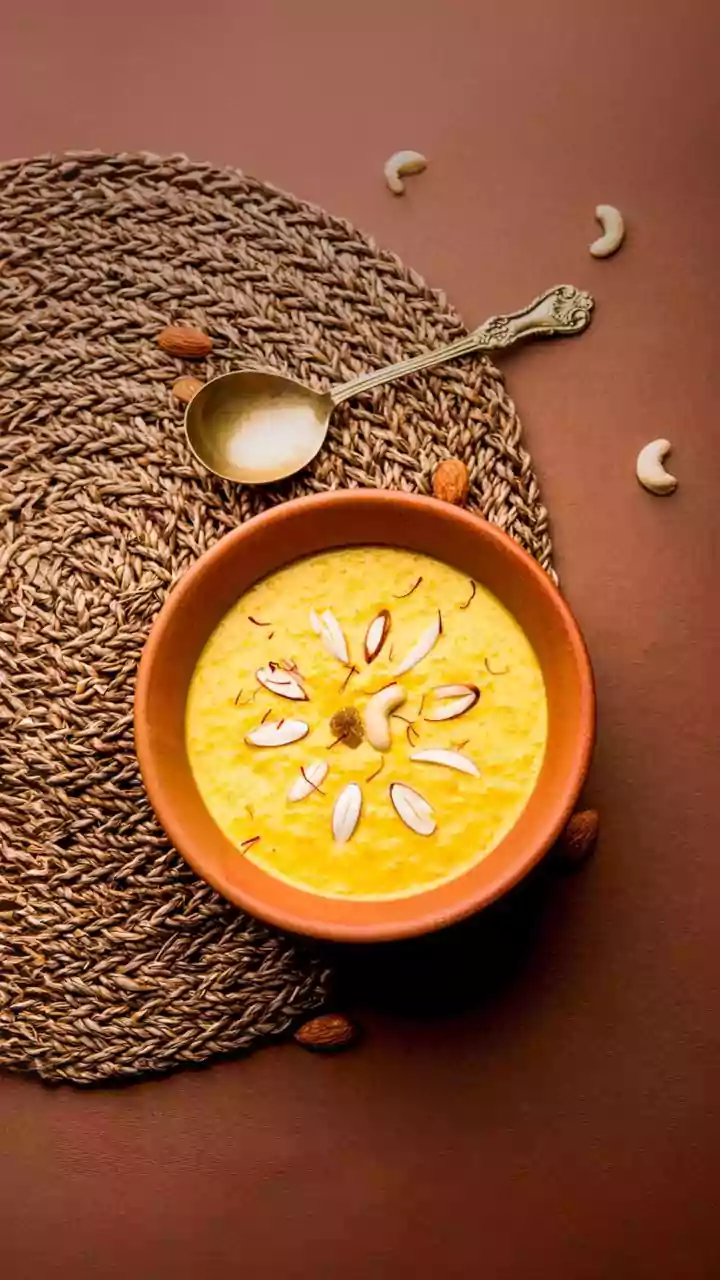
The magic lies in the thoughtful infusion of native Indian spices, transforming each jar into a unique culinary experience. Brands are reaching deep into India's spice heritage to create bold new combinations. Imagine a peanut butter given a smoky kick with Byadagi chilli from Karnataka, or an almond butter glowing with the earthy, anti-inflammatory properties of Lakadong turmeric from Meghalaya. One of the most creative examples is the emergence of Thandai-flavoured nut butter. Brands like Native Tongue have crafted complex blends featuring cashews, pistachios, almonds, and pumpkin seeds, all stone-ground with classic Thandai spices like cardamom, fennel, peppercorns, and a hint of saffron. It’s a nostalgic flavour, traditionally found in a festive drink, now reimagined as a healthy, spreadable treat.
Meet the Flavour Innovators
Leading this charge are small-batch, artisanal brands that prioritise quality ingredients and authentic processes. Mumbai-based Native Tongue, for instance, has built its identity on using bespoke regional produce. Their philosophy involves stone-grinding nuts and spices for hours, a traditional method that slowly releases natural oils and deepens the flavour without requiring added oils or emulsifiers. Similarly, Hyderabad’s Banter Kitchen developed a savoury Peri Peri Cashew Butter specifically with the Indian palate in mind, perfect as a dip or marinade. These brands are not just selling a product; they are offering a story of craft, quality, and a deep appreciation for India's agricultural diversity. They operate on a smaller scale, allowing them to experiment with flavours that larger commercial producers might shy away from.
More Than Just Good Taste
This trend isn't just about creating novel flavours; it’s about functional indulgence. The spices chosen often come with their own celebrated health benefits, tapping into a growing consumer interest in holistic wellness and Ayurvedic principles. Turmeric is globally recognised for its anti-inflammatory properties, while spices like cardamom and ginger are prized in traditional medicine for aiding digestion. By incorporating these ingredients, brands are creating a product that feels both indulgent and virtuous. It's a smart fusion of modern nutritional science—which champions high-protein foods—and age-old Indian wisdom about the healing power of spices.
How to Enjoy Spiced Nut Butters
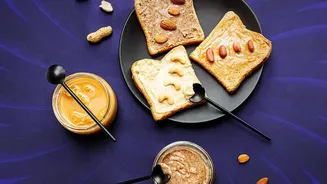
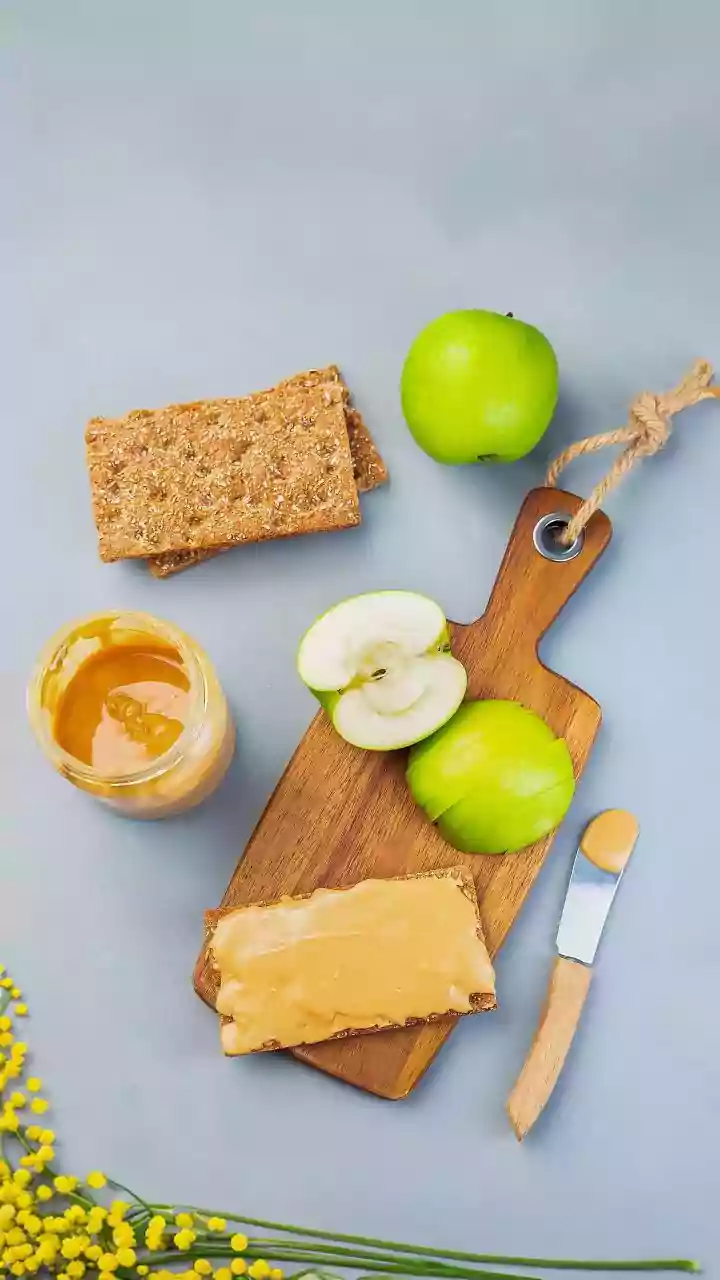
So, what do you do with a jar of Chilli Peanut Butter or Thandai Nut Butter? The possibilities are endless. Spread it on a slice of whole-wheat toast or pair it with apple slices for a quick snack. Swirl it into your morning bowl of oats or blend it into a smoothie for a protein and flavour boost. Savoury versions, like a peri-peri cashew butter, can be used to create a quick satay-style sauce for grilled chicken or paneer, as a dressing for a crunchy salad, or simply as a delicious dip for vegetable sticks.