



A Celebration of Island Life
The annual Island Carnival, held at the ITF Ground in Sri Vijaya Puram, is a cornerstone of Andaman and Nicobar's cultural calendar. Organised by the Directorate of Information, Publicity & Tourism, the event is a colourful tapestry of the archipelago's
diverse traditions. It brings together islanders and tourists for a celebration featuring everything from traditional food stalls and folk performances to unique local goods. This year's event, scheduled for October 17th and 18th, continues this tradition, providing a crucial platform for artisans, Self-Help Groups (SHGs), and local entrepreneurs to connect with a wider audience. Amid the festivities, the coconut craft exhibitions stand out, offering a window into an art form that is both sustainable and deeply rooted in the region's heritage.
From Humble Nut to High Art
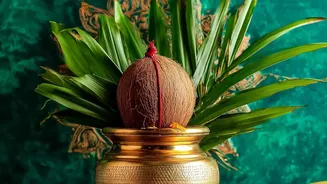
In the Andamans, the coconut palm is more than just a tree; it's a source of life and livelihood, often called 'Kalpavriksha' or the 'all-giving tree'. This reverence is brilliantly reflected in the crafts on display. Local artisans transform every part of the coconut into objects of surprising beauty and utility. Hard coconut shells, once discarded, are meticulously selected, carved, and polished. Using simple hand tools like chisels and sandpaper, creators shape them into intricate table lamps that cast mesmerising patterns, elegant jewellery, and practical household items like bowls, cups, and platters. The skill lies in revealing the natural beauty of the shell, often enhanced with carvings of local flora and fauna, turning a common object into a unique piece of art.
The Hands Behind the Craft
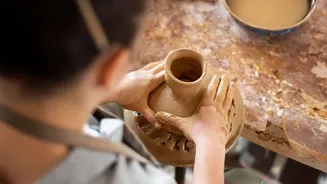
The exhibitions are not just about the final products; they are about the people who make them. Many of the artisans are women from local communities and SHGs who have honed their skills over generations. For many, craft-making starts as a leisure activity, weaving mats from coconut stems or pandanus leaves, but it quickly evolves into a vital source of income. The carnival provides them with a platform to showcase their talent, gain economic independence, and preserve the traditional techniques of their ancestors. Seeing them at work, demonstrating their meticulous process, offers a deeper appreciation for the patience and precision required. These artisans are the keepers of a cultural legacy, ensuring that the stories and skills of the islands are passed down.
More Than a Souvenir
The creations at the carnival are more than just souvenirs; they represent a commitment to sustainability and eco-friendly living. In a world grappling with plastic waste, these biodegradable and all-natural products offer a meaningful alternative. Each hand-carved bowl or piece of jewellery tells a story of the islands' connection to nature. This art form has even received official recognition, with Nicobari Coconut Shell Craft being awarded a Geographical Indication (GI) tag, protecting its authenticity and heritage. By supporting these artisans, visitors and locals alike are not just purchasing a beautiful object; they are investing in the preservation of a unique cultural identity and promoting sustainable livelihoods that are in harmony with the stunning natural environment of the Andaman and Nicobar Islands.