







Understanding the Shravan Diet
The month of Shravan, which in 2026 falls between late July and August for most of North India, is a period of spiritual observance for many Hindus. It aligns with the monsoon season, and traditionally, the diet shifts towards lighter, purer foods known
as a sattvic diet. This approach is not just about spirituality; it has an Ayurvedic basis. During the monsoon, our digestive fire (agni) is considered weaker, making it harder to process heavy foods. A sattvic diet, focusing on fresh, easily digestible foods, supports the body's natural rhythm. This means avoiding items like onion, garlic, non-vegetarian food, and often, common table salt in favour of rock salt (sendha namak). The emphasis is on purity, simplicity, and nourishment, which perfectly aligns with using fresh, seasonal produce.
Embrace Monsoon's Vegetable Bounty
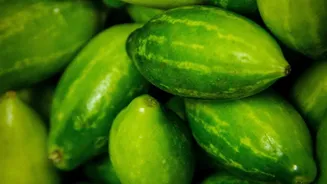
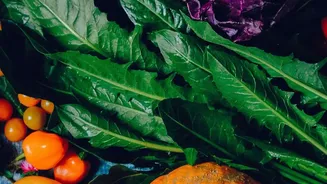
The monsoon brings a unique and delicious array of vegetables that are perfect for Shravan cooking. Many of these require minimal cooking time and spices to taste great. Gourds are a star of the season. Bottle gourd (lauki), ridge gourd (tori), and pumpkin (kaddu) are all widely available and incredibly versatile. They can be turned into simple vegetable preparations (sabzis), added to dals, or used in soups. These vegetables are hydrating and light on the stomach. Other vrat-friendly vegetables include potatoes, sweet potatoes, colocasia (arbi), and raw bananas. A simple dish of boiled potatoes tossed with cumin seeds (jeera) and rock salt is a fasting staple for a reason: it's quick, filling, and delicious. Because these vegetables are at their peak freshness, they cook faster and their natural flavours shine, reducing the need for complex spice mixes.
Sweeten Your Fast with Seasonal Fruits
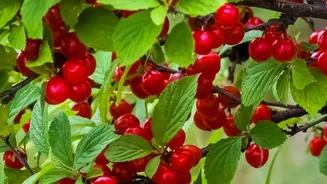
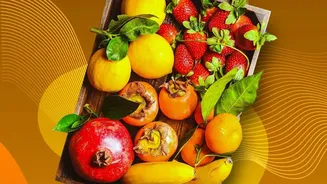
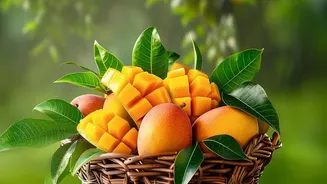
Fruits are an essential part of the Shravan fast, providing instant energy, vitamins, and hydration. The monsoon season offers a delightful variety. Jamun (Indian blackberry) is a quintessential monsoon fruit known for being rich in iron and antioxidants. Peaches, plums (aloo bukhara), pears (nashpati), and cherries also come into season during this period. Litchis and certain varieties of mangoes can still be found at the beginning of the month. These fruits can be eaten whole as a simple, refreshing snack. They can also be combined into a fruit chaat, perhaps with a sprinkle of rock salt and black pepper. For those with a sweet tooth, fruits can be blended into milkshakes or used to make simple desserts like fruit salad with a drizzle of honey, providing a healthier alternative to processed sweets.
Simple Meals for Hectic Days
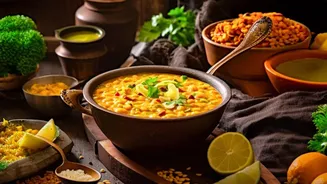
The essence of easier cooking during Shravan is relying on simple, classic recipes that come together quickly. Sabudana (tapioca pearls) is a fasting hero. A well-made sabudana khichdi, with soaked pearls, roasted peanuts, and boiled potatoes, is a complete meal that’s both tasty and filling. For a different texture, try sabudana vadas or a comforting sabudana kheer. Flours like buckwheat (kuttu ka atta), water chestnut (singhare ka atta), and amaranth (rajgira ka atta) are used to make puris, chapatis, or cheelas. Paired with a simple potato or arbi sabzi, they make for a wholesome meal. Another quick option is samak rice (barnyard millet), which can be prepared as a simple pulao with vegetables or as a creamy kheer for dessert. These dishes celebrate the ingredients without complicated techniques, making your time in the kitchen shorter and more peaceful.
How Freshness Translates to Simplicity
The core promise of the headline holds true: fresh produce simplifies cooking. When a vegetable is freshly picked and in season, it is full of flavour and moisture. It cooks more quickly and evenly. A few seasonal gourds need little more than a simple tempering of cumin seeds and a pinch of rock salt to create a delicious and satisfying dish. The natural sweetness of seasonal fruits means you can cut down on added sugars in your desserts and drinks. This minimalist approach is not only easier but also healthier and more aligned with the sattvic principles of the Shravan fast. By focusing on the vibrant fruits and vegetables available during the monsoon, you spend less time prepping, seasoning, and cooking, and more time enjoying meals that are both nourishing for the body and calming for the spirit.