
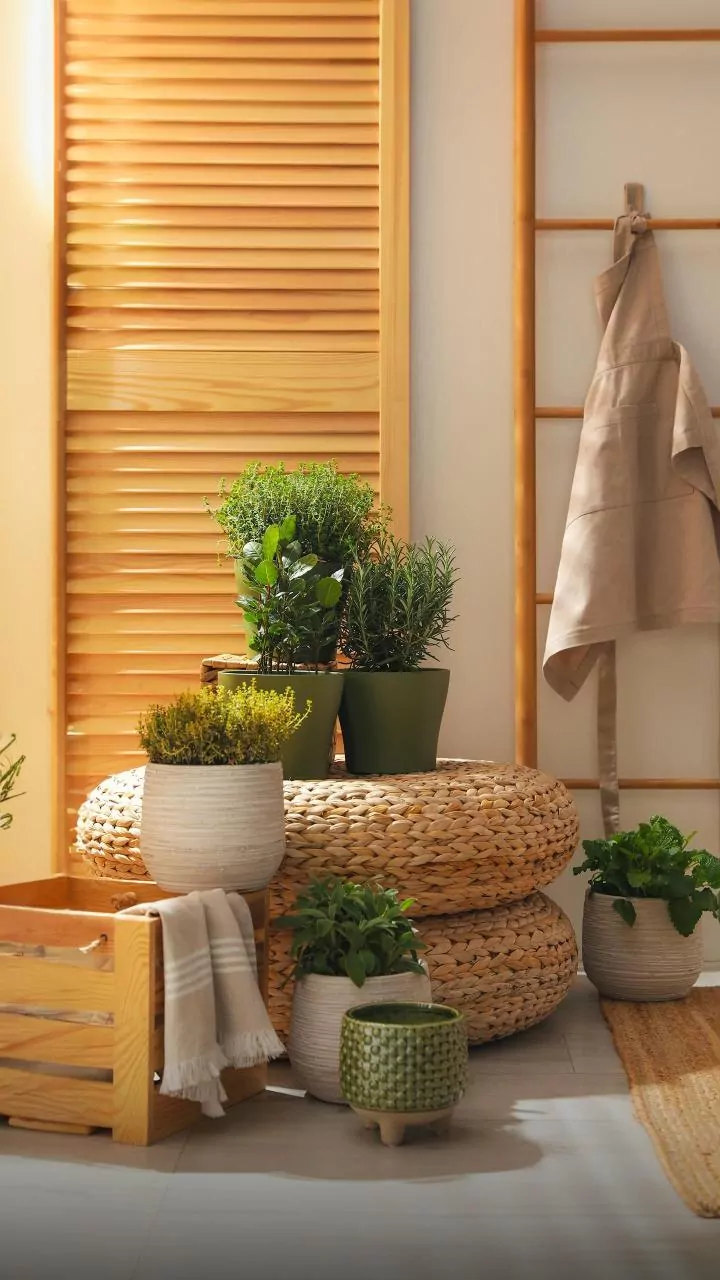






How Plants Act as Natural Dehumidifiers
Certain plants have the remarkable ability to absorb moisture directly from the air through their leaves. This process, part of their natural transpiration cycle, makes them living, breathing dehumidifiers. They not only help balance indoor humidity levels
but also purify the air and add a touch of green serenity to your apartment. When choosing plants for this purpose, look for those native to tropical, humid environments, as they are best adapted to absorb ambient moisture. Positioning them in areas prone to dampness, like kitchens and bathrooms, can maximize their effect.
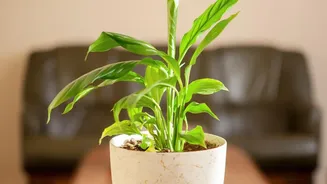
1. Peace Lily (Spathiphyllum)
The Peace Lily is a champion at tackling indoor humidity. With its elegant dark green leaves and iconic white spathes, it absorbs airborne moisture efficiently. This plant is also known for its air-purifying qualities, filtering out common toxins. Peace Lilies are relatively easy to care for; they thrive in medium to low indirect light and prefer consistently moist, but not waterlogged, soil. Their drooping leaves are a clear sign they need a drink, making them quite communicative. They are an excellent choice for bedrooms and living rooms where you want both beauty and function.
2. Boston Fern (Nephrolepis exaltata)
Boston Ferns are lush, feathery plants that absolutely love humidity, which they readily absorb from their surroundings. This makes them one of the most effective natural dehumidifiers you can place in your home. They are perfect for bathrooms or kitchens where steam and moisture are common. To keep a Boston Fern happy, provide it with bright, indirect light and keep its soil consistently damp. Regular misting can also help it thrive, especially if your home gets dry. Their cascading green fronds make them a stunning addition to hanging baskets.
3. Snake Plant (Sansevieria trifasciata)
Known for being incredibly hardy and low-maintenance, the Snake Plant is another excellent option for controlling humidity. Its thick, waxy leaves have a high capacity for water storage and can absorb excess moisture from the air through tiny pores. As a bonus, Snake Plants are renowned for their air-purifying abilities, even converting CO2 into oxygen at night. They tolerate a wide range of light conditions, from low to bright, and have minimal watering needs, making them a perfect fit for even the busiest plant owner.
4. Spider Plant (Chlorophytum comosum)
The ever-popular Spider Plant is not just easy to grow and propagate; it's also effective at absorbing airborne moisture. Its long, arching leaves help reduce humidity levels while also filtering common indoor pollutants from the air. Spider Plants are highly adaptable, flourishing in various conditions, although they prefer bright, indirect light. They are forgiving if you occasionally forget to water them and are a safe, non-toxic choice for homes with pets and children, making them a versatile and practical green companion.
5. English Ivy (Hedera helix)
English Ivy is a beautiful trailing vine that excels in humid environments. It is particularly skilled at absorbing ambient moisture, which can help prevent the buildup of dampness and mould on walls. This makes it an ideal plant for bathrooms or poorly ventilated corners of your apartment. English Ivy prefers bright, indirect light and consistently moist soil. Its climbing nature allows for creative placement on shelves or in hanging planters, adding a touch of classic charm while it works to keep your air fresh and less humid.
The Power of Clay Dehumidifiers
Beyond plants, another eco-friendly tool in your arsenal is the clay dehumidifier. These devices are typically made from porous, unglazed terracotta or specific mineral clays like montmorillonite. The principle is simple: the clay's porous structure naturally attracts and traps excess water vapour from the air through a process called adsorption. They are completely silent, require no electricity, and are reusable. Once a clay dehumidifier becomes saturated, you can simply dry it out in an oven at low heat or in direct sunlight to 'recharge' it, making it ready to use again. While not as powerful as electric units for large, heavily damp areas, they are perfect for enclosed spaces like wardrobes, cabinets, and small bathrooms where you want to prevent musty odours and mildew without chemicals.