



Why November is Prime Time for Safaris
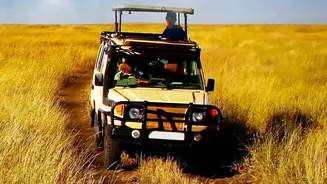
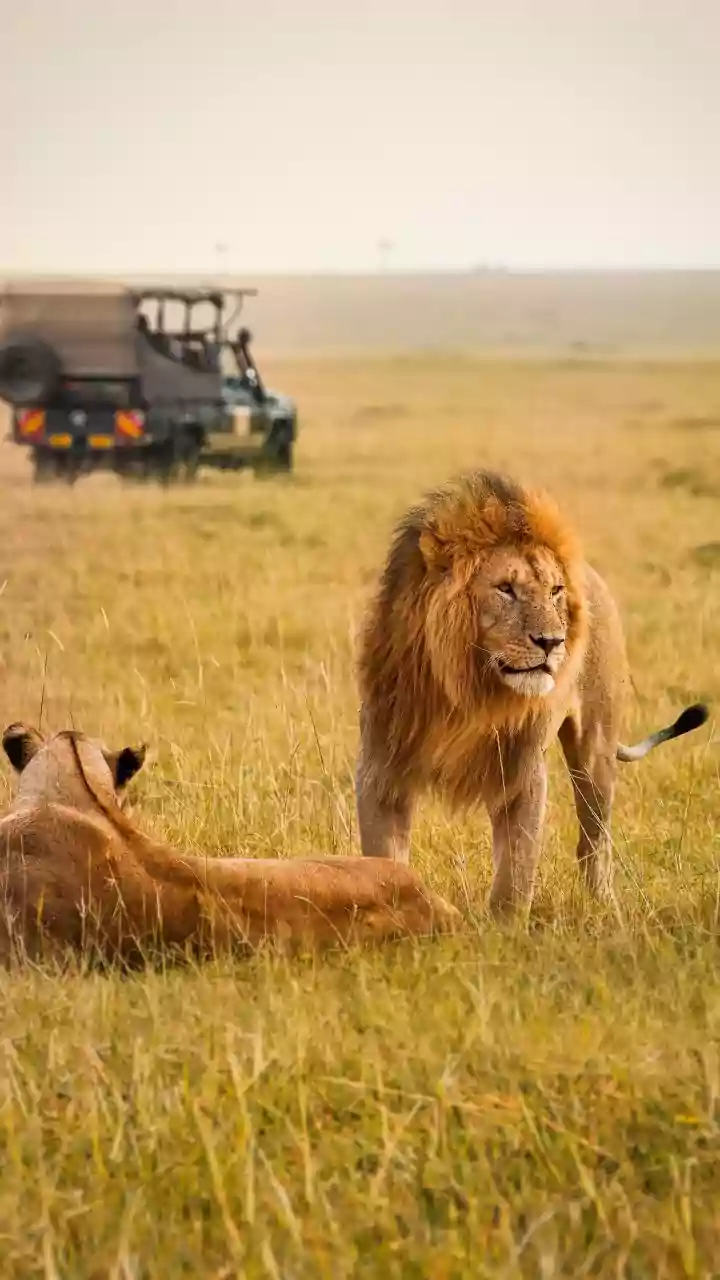
As the country transitions into a mild winter, the post-monsoon foliage is at its peak, offering stunning backdrops for photography. The weather is comfortable, with cool mornings and pleasantly warm afternoons, ideal for long hours in an open safari
vehicle. Many national parks across Central and Northern India, which close during the monsoon, reopen in October or November, meaning the animals are active and exploration is at its best. This period often provides excellent opportunities to see tigers, leopards, elephants, and a host of migratory birds.
The Essentials of Planning Your Circuit
A multi-park tour requires careful planning, but it's highly rewarding. The first step is to book your safaris well in advance. Most major national parks like Ranthambore, Bandhavgarh, and Corbett manage bookings through official government portals, and permits for popular zones sell out within minutes of release. You'll need to create an account and have your ID details ready. Alternatively, specialised tour operators or some wildlife lodges can handle permits for a service fee. Once your safaris are booked, arrange your accommodation and, crucially, the inter-park transport. Hiring a private car and driver is often the most efficient way to travel between parks, as train and bus connectivity can be complex in remote areas.
Circuit 1: The Tiger Heartland of Madhya Pradesh
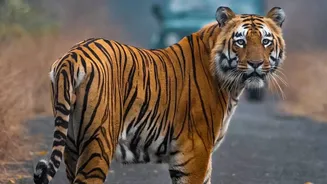
For the best chance of spotting a tiger, a circuit through Madhya Pradesh is unbeatable. Combine Kanha and Bandhavgarh National Parks for a classic Central Indian experience. Both parks reopen in October and are in their prime by November. Kanha is celebrated for its sprawling meadows and diverse fauna, including the rare barasingha (swamp deer), while Bandhavgarh boasts one of the highest tiger densities in India. The drive between the two parks takes approximately 5-6 hours, making it a manageable transfer. You can start by flying into Jabalpur, which serves as a convenient gateway to both parks.
Circuit 2: Rajasthan's Royal Predators and Landscapes
Combine the historic grandeur of Ranthambore with the rugged Aravalli hills of Sariska for a distinctly Rajasthani adventure. Ranthambore, famous for its tigers often seen against the backdrop of an ancient fort, is a premier wildlife destination. Sariska, located closer to Delhi and Jaipur, is less crowded and offers a more peaceful safari experience with chances to see leopards, caracals, and a variety of birdlife. Both parks are open in November. The road journey between Ranthambore and Sariska takes about 3-4 hours, making it an easy two-stop itinerary. The closest major airport for this circuit is in Jaipur.
Circuit 3: The Giants of the Northeast
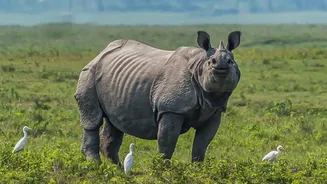
For a different kind of wildlife spectacle, head to Assam to explore Kaziranga and Manas National Parks. Kaziranga, a UNESCO World Heritage Site, is the world's stronghold of the one-horned rhinoceros and reopens in November. Manas, another UNESCO site nestled at the Himalayan foothills, offers a serene environment known for its populations of wild water buffalo, elephants, and the rare golden langur. The journey from Kaziranga to Manas is longer, typically taking around 7 hours by road, but it showcases the diverse landscapes of Assam. You can begin this circuit by flying into Guwahati, which is well-connected and serves as the starting point for trips to both parks.