



Decoding the Jargon: A Guide to Train Classes
Choosing the right class is the first step and depends on your budget and comfort needs. For overnight journeys, AC First Class (1A) offers private, lockable two or four-berth compartments, providing maximum privacy and comfort. AC 2-Tier (2A) is a popular
choice for middle-class families, offering berths in an open-plan carriage with curtains for privacy. AC 3-Tier (3A) is more economical, with three berths stacked vertically instead of two, making it more crowded but still air-conditioned. Sleeper Class (SL) is the most budget-friendly option for long routes; it's non-AC with open windows and three-tiered berths, but you need to bring your own bedding. For daytime travel, AC Chair Car (CC) offers comfortable seating similar to an airplane, while Second Seating (2S) provides basic reserved seating and is ideal for short trips.
Choosing Your Ride: Speed vs. Cost
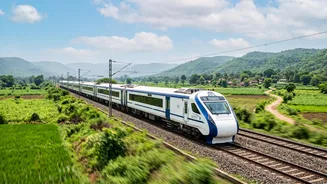
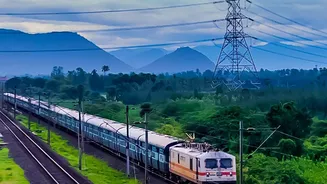
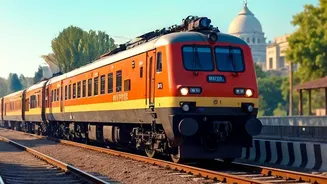
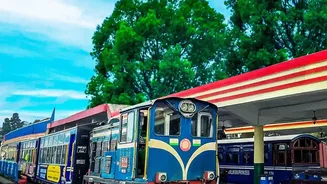
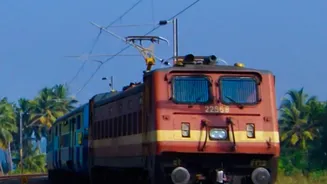
Indian Railways offers a variety of train types. Vande Bharat Express is India’s premier semi-high-speed train, known for rapid acceleration and modern amenities, making it great for cutting down travel time on key routes. Tejas Express trains are another premium, high-speed option with airline-like features such as individual entertainment screens and Wi-Fi. Shatabdi Express trains are also daytime trains connecting major cities, offering AC Chair Car and Executive Class. For overnight journeys, Rajdhani Express trains are the top choice, connecting state capitals with New Delhi, with fares that include meals. Duronto Express trains offer non-stop or very few-stop services between major city pairs, saving significant time. Finally, the vast network of Mail and Express trains forms the backbone of the railway system, offering a mix of all classes and connecting almost every corner of the country at standard speeds and fares.
The Art of Finding the Best Route
If you find that tickets for a direct train on your desired route are sold out, don't give up. The first strategy is to look for trains to or from nearby, alternative stations. A short bus or taxi ride at either end of your journey might open up a whole new set of train options. Another effective method is to search for connecting journeys, or break-journeys. Booking two separate tickets with a layover at a major junction can often get you a confirmed seat when a direct booking is impossible. Use the IRCTC website or third-party apps to explore these alternative routes. Also, check the 'Vikalp' option when booking. This scheme can automatically allot you a confirmed berth in an alternate train if your original waitlisted ticket does not get confirmed, without any extra charges.
Beating the Rush: Booking and Tatkal Tips
The general advance reservation period (ARP) for most trains is 120 days. For the last-minute planners, the Tatkal Quota is a lifesaver. Tatkal booking for AC classes opens at 10:00 AM, and for non-AC classes at 11:00 AM, one day in advance of the train's departure from its originating station. To increase your chances, save a 'Master List' of passengers on your IRCTC profile beforehand. This allows you to fill all passenger details with a single click. For payments, use UPI or the IRCTC eWallet, as these are typically faster and have lower failure rates than net banking or cards during peak booking hours. Also keep an eye out for special festival trains. For Rakhi 2026, Indian Railways has already announced dozens of special services on high-demand routes, particularly connecting cities in Madhya Pradesh, Uttar Pradesh, and Delhi. Always check the latest announcements on the IRCTC website or the NTES app.