







The Great Diet Burnout
For years, the wellness world has been dominated by a dizzying array of diet labels. One month, it was all about cutting carbs (Keto). The next, it was eating like a caveman (Paleo). Then came intermittent fasting, juice cleanses, and a host of other
prescriptive plans. Each came with rigid rules, forbidden food lists, and the promise of a quick transformation. The problem? For most people, these diets are unsustainable. They often lead to feelings of restriction, guilt, and eventually, burnout. This constant whiplash has created a collective exhaustion, pushing people to ask: is there a better, less complicated way to eat well?
Enter: Rooted Eating
Rooted eating isn’t a diet; it’s a philosophy. It’s the conscious choice to eat foods that are connected to your heritage, your local geography, and the natural seasons. Think of it as the original 'meal plan'—the one your grandparents and great-grandparents followed without ever calling it a diet. It’s about eating real, whole foods that have nourished communities for generations. In the Indian context, this isn't a new concept. It’s the wisdom behind a regional thali, which naturally balances food groups, or the practice of eating cooling foods like cucumber in the summer and warming foods like ginger in the winter. It’s a shift from 'what can’t I eat?' to 'what food tells my story?'
Why It’s Gaining Traction
The appeal of rooted eating lies in its simplicity and authenticity. Unlike trendy diets that often require expensive, imported ingredients (think avocadoes and quinoa), rooted eating celebrates what’s local and accessible. It encourages us to rediscover the diversity of our own culinary traditions. A farmer’s market becomes more exciting than a specialty health food store. Relearning a family recipe for dal or sabzi feels more rewarding than tracking macros on an app. This approach fosters a deeper connection—to our food, our families, and our culture. It removes the stress and moral judgment that modern diet culture has attached to eating, replacing it with joy and intuition.
The Science of Simplicity
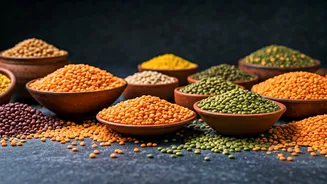
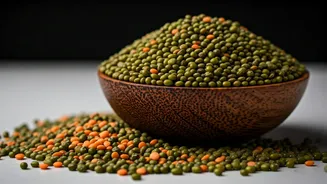
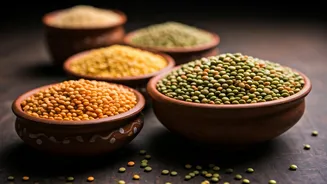
While it feels intuitive, the benefits of rooted eating are also supported by modern science. Traditional diets, rich in a variety of grains, lentils, seasonal vegetables, and fermented foods (like dahi or pickles), are excellent for gut health. Eating locally and seasonally means produce is often fresher, more nutrient-dense, and has a smaller carbon footprint. The balanced nature of a traditional Indian meal—with its combination of carbohydrates, proteins, fats, and fibre—is something nutritionists have long advocated for. Rooted eating isn't about rejecting science; it’s about recognising that traditional food systems often perfected nutritional balance long before we had the vocabulary to describe it.
How to Get Started
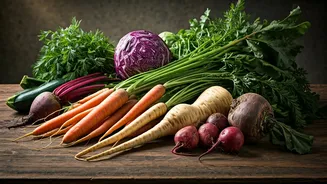
Adopting a rooted approach doesn't require a dramatic overhaul. It’s about small, mindful shifts. Start by talking to older relatives about what they ate growing up. Ask for family recipes and try cooking them. Pay attention to what's in season at your local sabzi mandi and plan your meals around it. Instead of reaching for a packaged snack, try a handful of roasted makhana or chana. Explore the regional cuisine of your own state or others. The goal isn’t perfection, but connection. It’s about trading the rigid rules of diet labels for the rich, time-tested wisdom of your own roots.