


The Epicentre of Festive Feasting
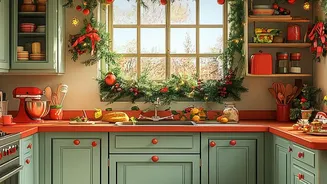
For most of the year, the kitchen counter is a simple, functional surface. It holds a fruit bowl, a jar of utensils, and perhaps the toaster. But as festivals approach, its role undergoes a dramatic transformation. Suddenly, it is the epicentre of a massive
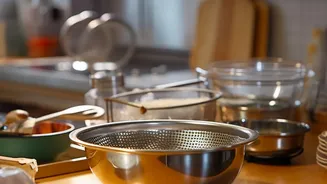
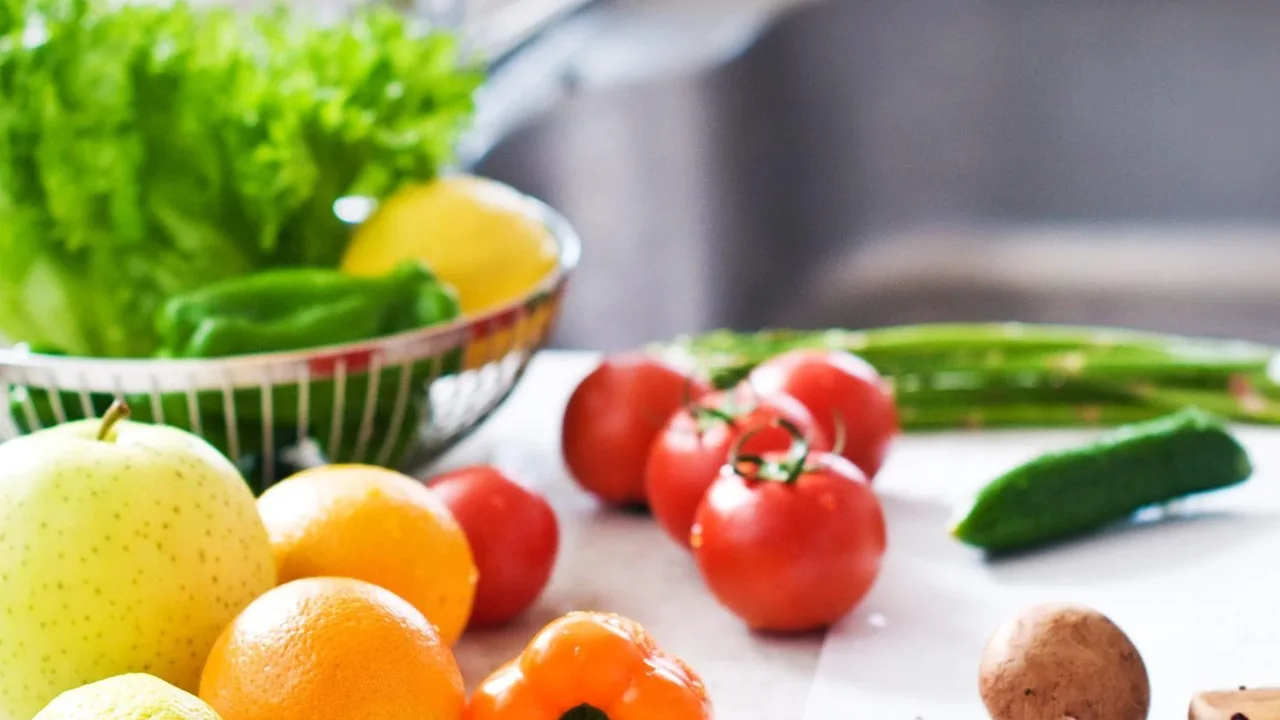
culinary operation. Piles of vegetables await chopping, bowls of dough need space to rest, and trays of freshly made sweets and savouries are cooling in every available inch. This is where the magic begins, turning raw ingredients into the feasts that define our celebrations. The counter becomes a shared workspace for multiple generations, a place where recipes are passed down and memories are made. It stops being a mere slab of stone or wood and becomes a stage for tradition.
The Marathon of Meal Preparation
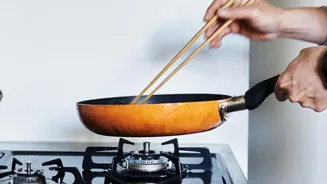
Festive cooking is not a sprint; it’s a marathon that tests the limits of any kitchen. The sheer volume and variety of dishes mean the counter is in constant use. It’s where kilos of onions are peeled and chopped, countless coconuts are grated, and complex masalas are ground and mixed. This is not everyday cooking. It involves processes that are often reserved for special occasions—deep-frying, elaborate sweet-making, and assembling multi-component dishes. Each activity claims its own territory on the counter, leading to a vibrant, and often chaotic, landscape of ingredients, utensils, and appliances that weren't there the day before. This intense usage is precisely why the counter becomes such a focal point; it's the primary surface that has to bear the load of this delicious, demanding work.
A Battlefield of Stains and Scratches
This intense period of activity also puts the counter itself at risk. Indian festive cooking, in particular, involves ingredients notorious for leaving their mark. A stray pinch of turmeric can leave a bright yellow stain, oil splatters can create a greasy film, and the acidic juice from lemons or tomatoes can etch delicate surfaces like marble. Furthermore, the constant movement of heavy pots, pans, and grinding stones can lead to scratches and chips. Hot trays taken directly from the oven may cause thermal shock or discoloration, especially on surfaces like quartz. Protecting the countertop becomes as crucial as the cooking itself, forcing homeowners to be mindful with every chop and stir. This need for protection makes the counter a focus of concern, not just utility.
Mastering the Art of Counter Management
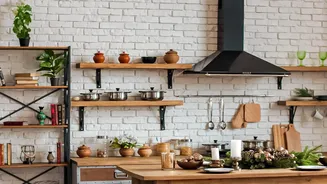
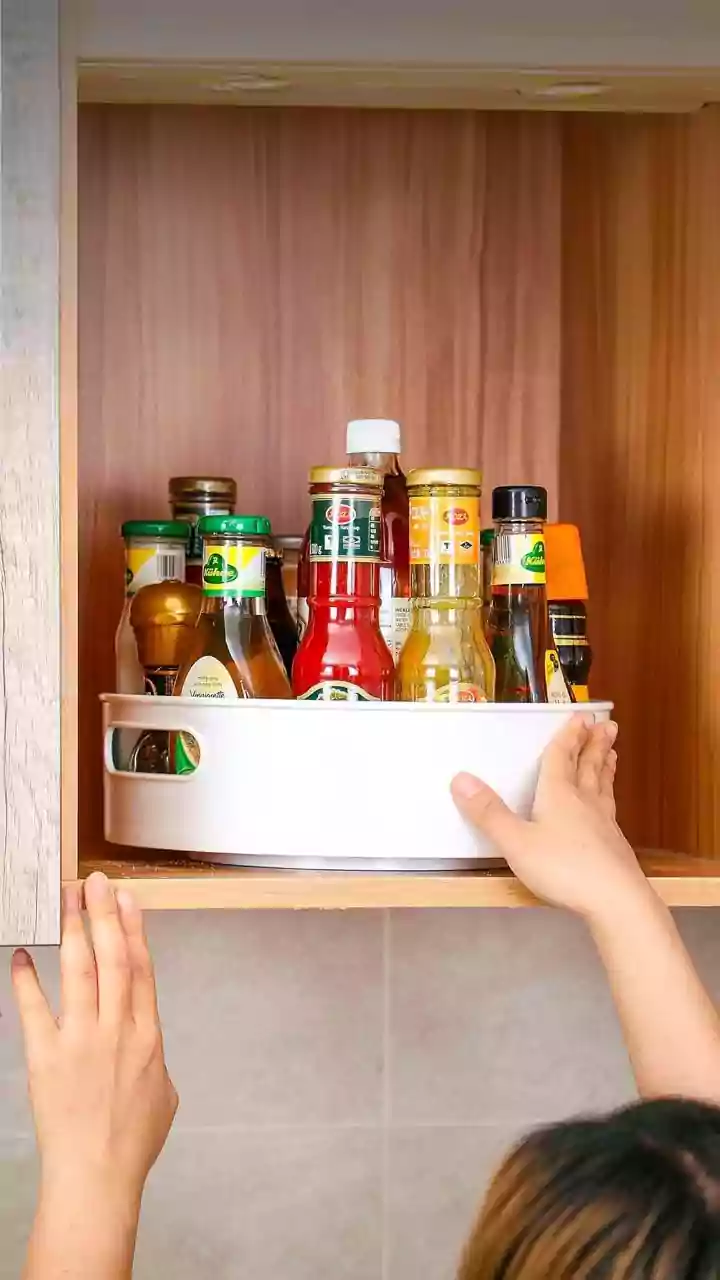
Given the counter's central role, managing the space effectively is key to a stress-free festive season. The goal is to keep the surface as clear and functional as possible. A great strategy is to create dedicated zones for different tasks: a chopping area, a mixing station, and a space for cooling hot items. Using trays to group ingredients for a specific dish can contain the mess and make cleanup easier. Vertical space is your best friend; use tiered racks to store items you need handy without cluttering the primary work surface. Finally, embrace the ‘clean as you go’ philosophy. Wiping up spills immediately prevents stains from setting and keeps the workspace organised and ready for the next task.
Choosing a Surface That Celebrates With You
For those designing or renovating a kitchen, the demands of festive cooking are a crucial consideration when choosing a countertop material. Granite is a popular choice in India for its high heat resistance and durability, though it requires regular sealing to prevent stains from oils. Engineered quartz is another excellent option, offering a non-porous and highly stain-resistant surface, but care must be taken with very hot pans. Marble, while beautiful, is the most delicate, prone to scratching and etching from acidic ingredients. Understanding the properties of your counter material helps you care for it properly, ensuring it remains a beautiful and functional part of your kitchen for many festivals to come.