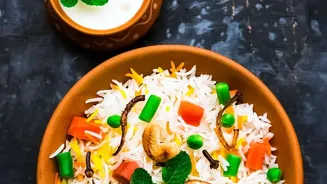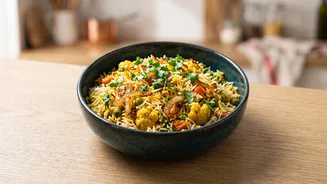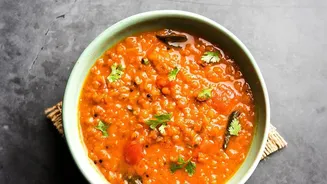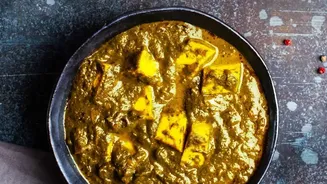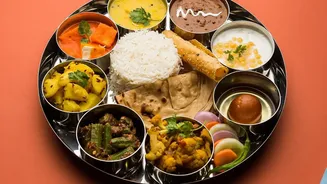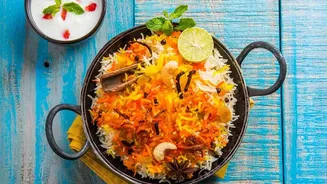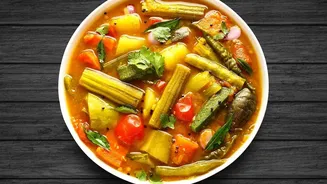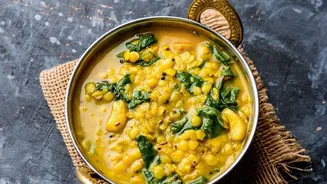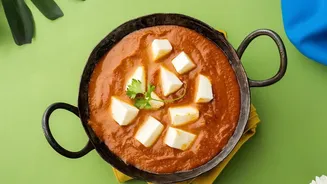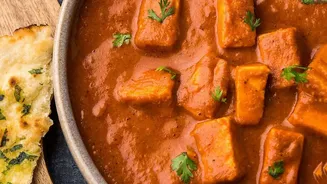


It’s a familiar and almost magical experience: the dal or curry you loved last night somehow tastes even better the next day. You’re not imagining it. This delicious phenomenon is rooted in real food science.
Time Is the Secret Ingredient
The core reason leftover Indian gravies taste
richer is that the ingredients continue to interact long after the heat is turned off. When you first cook a complex dish like a chole or a rogan josh, the flavours of spices, aromatics, fats, and acids are present, but distinct. Overnight in the refrigerator, these separate notes have time to mingle and merge in a process food scientists call 'flavour equilibration'. Instead of tasting the sharpness of ginger here and the earthiness of cumin there, you taste a more rounded, unified, and cohesive whole. The separate elements stop competing and start working together, creating a depth of flavour that wasn't there just hours before.
The Science of Spices and Fats
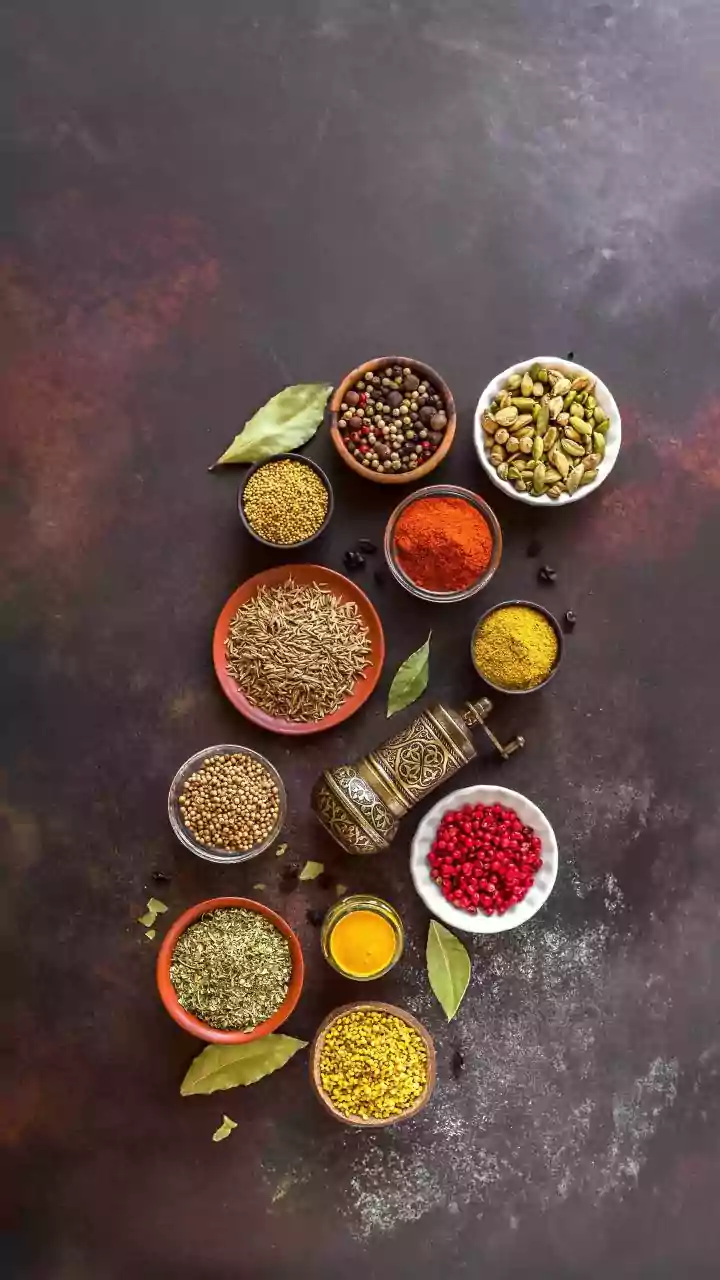
Many of the aromatic compounds that give spices like turmeric, cloves, and cardamom their incredible flavour are fat-soluble. During cooking, these compounds begin to release into the fats and oils of the gravy, like ghee or vegetable oil. However, this process doesn't stop when the cooking does. As the curry cools and rests, these aromatic oils continue to migrate out of the ground or whole spices and distribute themselves more evenly throughout the dish. Fat acts as a flavour carrier, ensuring that every spoonful gets a more complete and well-rounded taste profile. The once-sharp edges of a spice blend mellow out, creating a smoother and more integrated flavour experience.
Aromatics Mellow and Sweeten
Aromatics like onions, garlic, and ginger form the foundation of most Indian gravies. When freshly cooked, they can have a pungent, sharp bite. These ingredients contain potent sulfur compounds that are released when chopped and heated. Given time to rest overnight, these aggressive compounds continue to break down and transform. The sharp pungency mellows, allowing the underlying sweetness, especially from the onions, to come forward. This transformation adds to the overall perception of a richer, more balanced gravy, where the aromatics provide a deep, savory backbone rather than a sharp, upfront kick.
Texture Transforms for the Better
Flavour isn't the only thing that improves; texture undergoes significant changes too. In meat-based curries, collagen continues to break down into silky gelatin even after cooking has stopped. As the dish cools, this gelatin can form a light jelly, which melts upon reheating to create a richer, more luxurious mouthfeel. In vegetarian dishes with lentils, beans, or potatoes, starches released during cooking continue to work their magic overnight. They absorb liquid from the gravy, causing it to thicken naturally. This results in a sauce that clings beautifully to rice or bread, delivering more flavour in every single bite.
Which Dishes Improve the Most?
This flavour_enhancing magic works best on dishes with complex , layered flavours and a significant amount of liquid . Think of hearty dals like dal makhani , legume_based curries such as rajma and chole , and slow_cooked meat preparations . In these dishes , the main ingredients—be it beans , lentils , or meat—have time to soak up the surrounding gravy like a sponge , ensuring the flavour penetrates deep into the centre . Conversely , dishes that rely on fresh , bright notes or crispy textures do not benefit from a day's rest . Quick vegetable stir_fries , anything with fresh herbs like coriander as a primary flavour , or fried items are always best enjoyed immediately .