






The Essential Nutrient You Might Be Missing
Vitamin B12, also known as cobalamin, is a powerhouse nutrient. It's crucial for the healthy functioning of your nerve cells, the formation of red blood cells, and the synthesis of your DNA. Without it, your body's ability to generate energy and maintain
its core systems is compromised. The catch? B12 is produced by microorganisms and is naturally found almost exclusively in animal products like meat, fish, eggs, and dairy. Plants do not produce it, which creates a significant nutritional hurdle for anyone following a strict vegetarian or vegan diet. This makes vegetarians a high-risk group for deficiency.
A Widespread and Underdiagnosed Issue
While 'skyrocketing' may be a strong word, the prevalence of Vitamin B12 deficiency among vegetarians is alarmingly high and often goes undiagnosed. In India, home to the world's largest vegetarian population, some studies indicate deficiency rates between 50% and 80% among vegetarians. The issue is compounded because the body can store B12 for several years, meaning symptoms can creep up so slowly they are mistaken for something else, like stress or normal ageing. By the time clear signs appear, a person may have been deficient for a long time.
Recognising the 'Silent Fatigue' and Other Symptoms
The fatigue from B12 deficiency is more than just feeling tired; it can be a pervasive weakness and lethargy. But other symptoms are just as important to recognise. These can include physical signs like pale or yellowish skin, a sore tongue, shortness of breath, and palpitations. More concerning are the neurological effects, which can occur even without anaemia. These range from 'brain fog' and memory problems to irritability, depression, and a pins-and-needles sensation (paresthesia) in the hands and feet. If left untreated, these neurological changes can become irreversible.
Bridging the Gap: How Vegetarians Can Get Enough B12
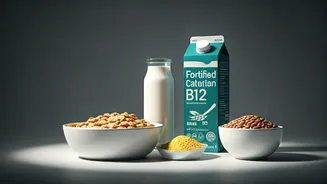
For lacto-vegetarians, dairy products and eggs are reliable sources. Milk, yogurt, and cheese all contain B12. However, the quantities in a typical Indian diet may not be sufficient, and boiling milk can reduce its B12 content. For all vegetarians and especially vegans, fortified foods are a crucial part of the solution. Look for breakfast cereals, plant-based milks (like soy or almond), and nutritional yeast that have been fortified with B12. Nutritional yeast, in particular, can be a potent source, providing a cheesy flavour to dishes while boosting B12 intake.
When Food Isn't Enough: The Role of Supplements
For many vegetarians, especially those with limited intake of dairy or fortified products, a supplement is the most reliable way to prevent deficiency. Supplements are available in various forms, including oral tablets and injections. High-dose oral supplements have been found to be as effective as injections for many people. The recommended daily intake for adults is around 2.4 micrograms, though this can vary. Since certain medications and age can affect absorption, it's wise to plan proactively. Consulting a doctor to get your levels tested is the first step towards creating a personalised plan.