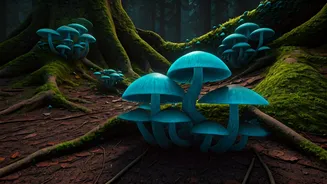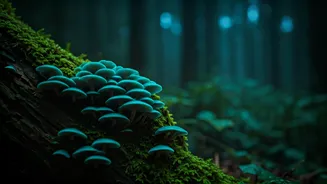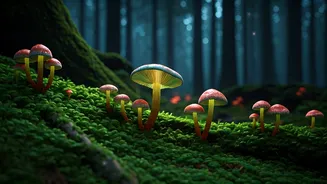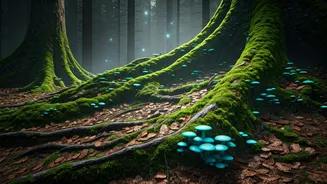



A Forest Floor That Glows
As the monsoon rains sweep across India, they bring life not only to the flora and fauna we see during the day but also to a secret, nocturnal world. Deep within the forests of the Western Ghats and parts of the Northeast, a magical phenomenon occurs:
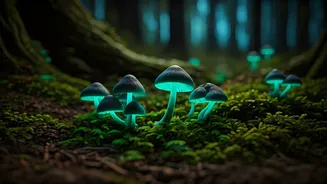
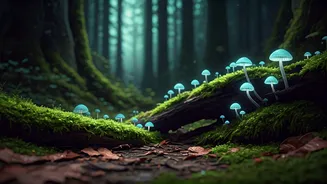
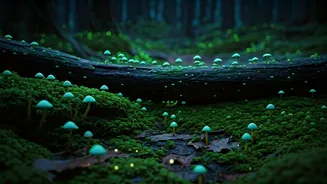
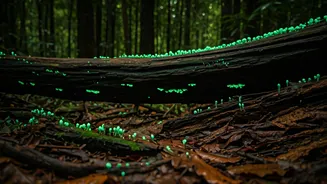
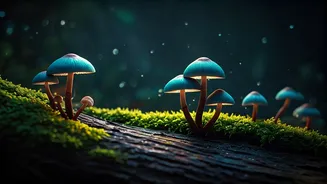
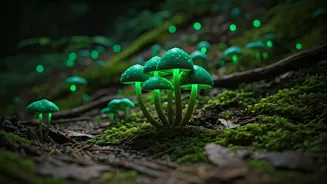
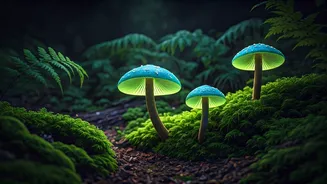
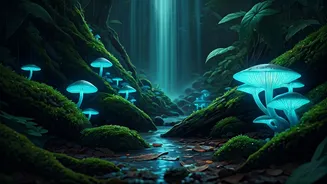
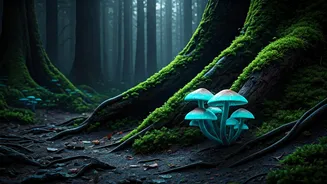
bioluminescent fungi burst into life, casting a faint, greenish-blue glow across the forest floor. For years, this spectacle was known mostly to local villagers and intrepid researchers. Now, thanks to a rise in eco-tourism, guided walks are making this otherworldly experience accessible to all, transforming a simple forest trek into a journey through a real-life Pandora.
The Living Light: How It Works
What causes this enchanting light? The glow comes from a group of fungi, most commonly from the genus *Mycena*. This natural light, known as bioluminescence, is the same chemical process that allows fireflies and some deep-sea creatures to produce their own light. It’s a reaction involving a compound called luciferin and an enzyme, luciferase. When these two interact in the presence of oxygen, they release energy in the form of a cool, visible light. Scientists believe the fungi glow to attract nocturnal insects. These insects then help spread the mushroom's spores, ensuring its survival and propagation throughout the forest. It’s a beautiful and brilliant evolutionary strategy, turning the forest floor into a living network of tiny lanterns.
Where to Find the Magic
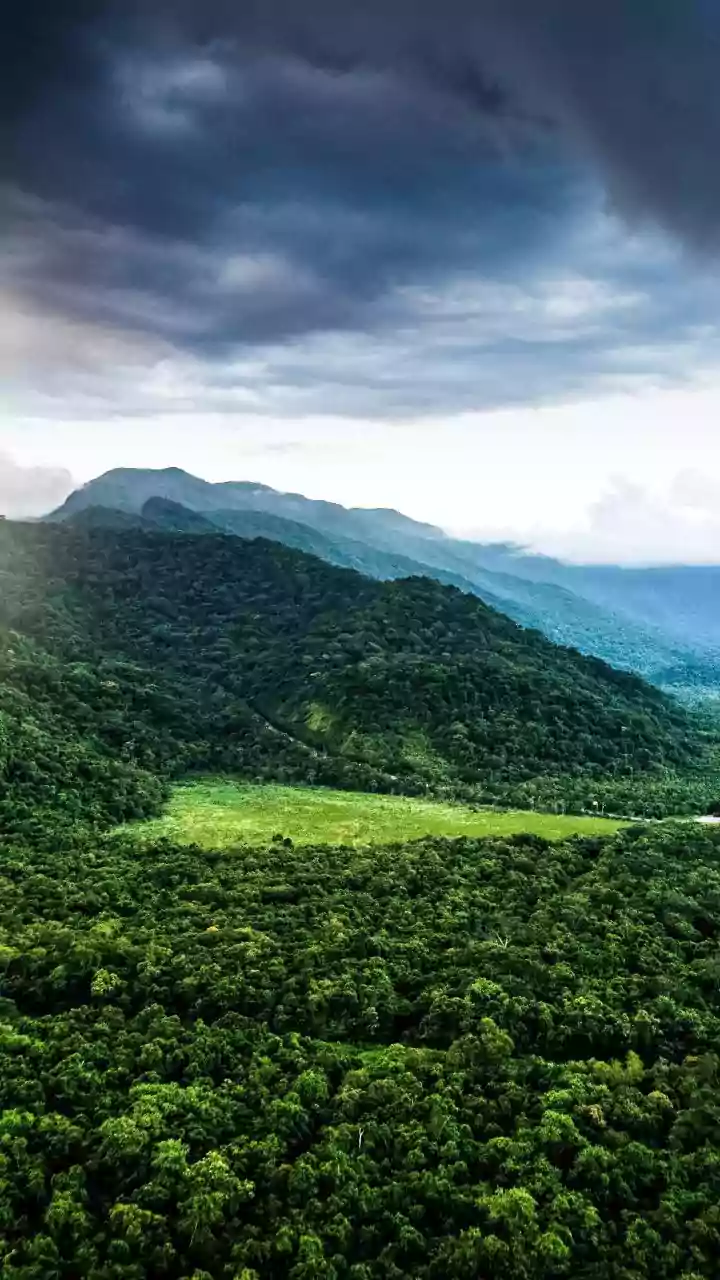
This phenomenon is not widespread, making the experience of spotting it all the more special. The prime locations in India are concentrated in regions with high humidity and dense forest cover during the monsoon. The Western Ghats are a particular hotspot, with documented sightings in the forests of Goa (especially near the Mhadei Wildlife Sanctuary), parts of Maharashtra (like the Bhimashankar Wildlife Sanctuary), and Karnataka. Further east, the forests of Meghalaya are also known to host these glowing wonders. The mushrooms typically grow on decaying logs, damp bark, and rotting leaves, so the best place to find them is on the wet, nutrient-rich floor of a dense, old-growth forest.
The Best Time for a Glowing Trek
Timing is everything. The bioluminescent display is intrinsically linked to the monsoon season. The fungi thrive in the wet, humid conditions that prevail from roughly June to early October. The peak of the monsoon, usually in July and August, is when the glow is often at its brightest and most widespread. The best viewing time is on a dark, moonless night after a day of heavy rain. The moisture supercharges the chemical reaction, and the absence of moonlight allows the faint glow of the fungi to appear much more dramatic to the human eye. Planning your trip during this window significantly increases your chances of witnessing this natural light show in all its glory.
Why You Should Take a Guided Walk
While the idea of venturing into the forest alone might seem adventurous, a guided eco-walk is by far the best and safest way to experience this phenomenon. Local guides and naturalists are experts at locating the specific patches where the fungi grow, saving you from a fruitless and potentially dangerous search in the dark. More importantly, trekking through a forest at night, especially during the monsoon when trails are slippery and wildlife is active, requires expert knowledge. Guides ensure your safety, provide fascinating context about the local ecosystem, and teach you how to observe the fungi without disturbing their fragile habitat. These tours promote responsible tourism, ensuring that the magic can be enjoyed for years to come without harming the environment.
Tips for Your Adventure
To make the most of your trip, come prepared. Wear sturdy, waterproof footwear with good grip. Carry a raincoat and apply insect repellent. While you should bring a torch for safety, use it sparingly. Your eyes need about 15-20 minutes to adjust to the darkness to fully appreciate the faint glow of the mushrooms. When taking photos, remember that a flash will completely wash out the delicate light; a tripod and a long exposure setting on your camera are essential. Most importantly, do not touch or pick the fungi. They are a delicate part of the ecosystem. Simply observe, appreciate, and let the magic of the glowing forest sink in.