




The Science of Soggy Fruit
When you cut into a piece of fruit, you break open its cell walls. This triggers a natural process called osmosis, where water moves from an area of high concentration (inside the fruit's cells) to an area of lower concentration (the air in your container).
This is why cut fruit “weeps” liquid, creating a puddle at the bottom of your container. Excess moisture is the number one enemy of good texture. It softens the fruit, turning crisp apple slices and firm melon chunks into a sad, limp mess. By taking a moment to pat the cut surfaces dry, you remove this initial surface moisture, slowing down the entire process and preserving that desirable, fresh-from-the-kitchen texture for hours longer.
More Than Just Mush: The Safety Factor
Beyond the unappetizing texture, that pool of sugary liquid is a perfect breeding ground for bacteria. While washing your fruit before cutting is a crucial first step, any bacteria remaining on the surface can multiply rapidly in a moist, enclosed environment. Cutting fruit exposes its flesh, which is more vulnerable to microbial growth than its protective skin. Keeping the cut surfaces as dry as possible and storing them at a cool temperature (below 40°F or 4°C) are key steps in minimizing risk. This makes drying your fruit not just a matter of taste and texture, but also a simple and effective food safety practice.
The Art of Drying: A Step-by-Step Guide
The good news is that properly drying your fruit is quick and requires no special equipment. After washing and cutting your fruit, simply lay the pieces in a single layer on a clean paper towel or a lint-free cloth. Gently pat the surfaces dry with another towel. For delicate items like berries, you can place them in a colander lined with paper towels and gently shake them. For larger batches of sturdy fruit like melon, a salad spinner lined with paper towels works wonders. The goal isn't to dehydrate the fruit, but simply to remove the visible surface moisture before packing. An extra 60 to 90 seconds of air-drying on a wire rack can also make a significant difference.
Fruit-Specific Strategies
Different fruits require slightly different approaches. For fruits prone to browning, like apples, pears, and bananas, the drying step is especially important after pre-treatment. Tossing them in a solution containing a little lemon juice, pineapple juice, or ascorbic acid (Vitamin C) powder before drying can drastically slow down oxidation. For very watery fruits like watermelon and cantaloupe, ensure they are thoroughly patted dry. Berries are delicate; they should be washed and dried just before packing to prevent them from becoming waterlogged and moldy. Citrus fruits, with their high acidity, are naturally more resilient but still benefit from having their cut surfaces blotted dry to prevent the juice from making other fruits in a mix soggy.
Choose Your Container Wisely
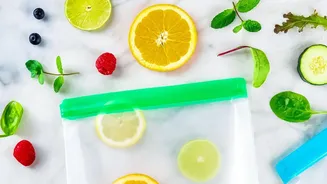
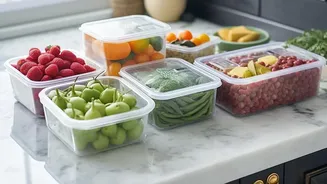
Your choice of container also plays a role. An airtight container is essential for keeping fruit fresh and preventing leaks. Some experts suggest lining the bottom of the container with a folded paper towel to absorb any moisture that does accumulate over time. Glass containers are often preferred as they don't absorb odors or stains. If using plastic, ensure it's a high-quality, food-grade material. For mixed fruit salads, consider packing fruits that brown or weep heavily in a separate, smaller container within the larger one. Also, avoid packing fruit while it's still warm from washing, as this will create condensation inside the sealed container.