





The Hidden Power in Your Teacup
So, what exactly is in green tea that your plants might crave? As tea leaves decompose, they release several beneficial compounds. They are a good source of nitrogen, which is crucial for lush, green leafy growth. They also contain trace amounts of other
key nutrients like phosphorus and potassium. Additionally, green tea is rich in tannins. These organic compounds can help to slightly lower the pH of the soil, making it more acidic. This process can also improve soil structure and encourage healthy microbial activity, creating a better overall environment for your plant's roots.
The 'How-To' for a Perfect Tea Bath
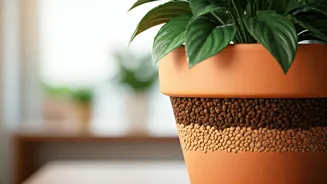
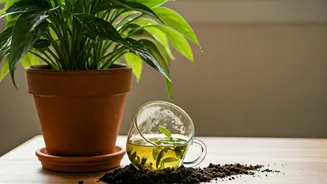
There are a couple of effective ways to share your tea with your plants. The simplest method is to use the cooled, leftover brew. After you've enjoyed your cup, allow any remaining tea to cool to room temperature. It's vital to only use plain, unsweetened green tea; sugar and milk can attract pests and promote harmful fungal growth. Dilute the leftover tea with an equal amount of water and use it to water your plants as you normally would. Another method is to use the tea leaves themselves. You can open a used tea bag (as long as it's paper and staple-free) or use loose leaves. Allow the leaves to cool and dry slightly, then sprinkle a thin layer on top of the soil and gently mix it in. This acts as a slow-release fertilizer.
Which Plants Enjoy a Tea Party?
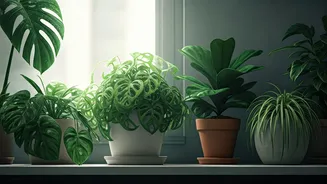
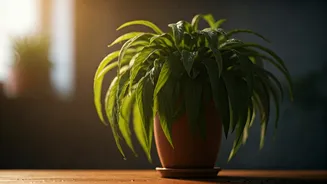
The slight acidity from green tea makes it particularly beneficial for acid-loving houseplants. Plants that thrive in these conditions will get the most out of this organic treatment. Ferns (with the exception of Maidenhair ferns), Rubber Plants, Spider Plants, Calatheas, and Peace Lilies are all great candidates for a tea bath. Outdoor plants like roses, tomatoes, and blueberries also appreciate the acidic boost. However, plants that prefer alkaline soil, such as lavender, may not benefit and could be harmed by frequent applications. Always observe how your plant responds after a feeding.
A Word of Caution: Moderation is Key
While beneficial, it's important not to overdo it. Using green tea too frequently can make the soil overly acidic, which can lead to nutrient imbalances and potentially harm your plants. Watering with tea should be considered a supplemental treat, not a replacement for regular watering or a balanced fertilizer routine. Aim to give your plants a tea bath no more than once every two to four weeks during the growing season. When using tea leaves directly on the soil, be sure to spread them in a thin layer and mix them in. A thick, wet layer of leaves can attract pests like fungus gnats and may lead to mold growth.