





The Legroom vs. Width Illusion
Airlines market “extra legroom” seats by focusing on one key metric: seat pitch. Pitch is the distance from one point on a seat to the same point on the seat in front of it. A standard economy seat might have a pitch of 28 to 32 inches, while an “extra legroom” seat offers
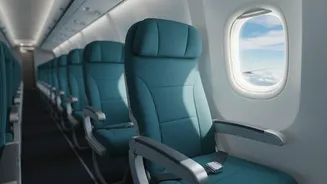
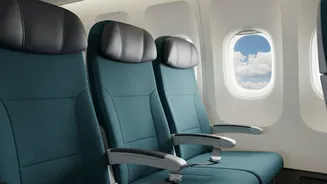
a few more inches, making it seem like a straightforward upgrade. However, this marketing often ignores an equally crucial comfort factor: seat width. An extra legroom seat, like those in many exit rows or bulkhead rows, is frequently the same width as a standard economy seat—typically a snug 17 to 18 inches. In some cases, it can even feel narrower. That's because the tray table and sometimes the personal entertainment screen are stored in a fixed, immovable armrest, which can cut into your side-to-side space. This trade-off means you might be able to stretch your legs forward, but you’ll feel more constrained at the hips.
The Truth About Exit Rows
Exit row seats are the original extra-legroom option, but they come with a significant list of rules and drawbacks. Federal regulations mandate that passengers in these seats must be at least 15 years old, be willing and able to assist in an emergency, and have the physical strength to open a potentially heavy exit door. You cannot sit there if you are travelling with a child, require a seatbelt extender, or have a condition that limits mobility. Beyond the responsibilities, there are comfort compromises. To keep the exit clear, all personal belongings must be stored in the overhead bin during takeoff and landing—no bag at your feet. Many exit row seats also have limited or no recline to avoid obstructing the exit path. Furthermore, the area around the exit door can be colder and subject to more foot traffic.
Bulkhead Blues and Benefits
The bulkhead is the wall separating different cabins or sections of the plane. The seats directly behind it are often sold as preferred or extra-legroom options. The primary benefit is clear: no one can recline their seat into your personal space. This can make the area feel more open and guarantees your laptop screen won't get crushed. However, bulkheads come with their own set of compromises. Like exit rows, there is no under-seat storage in front of you, forcing all your bags into the overhead compartment for takeoff and landing. The legroom situation can also be deceptive; while you have space for your knees, the solid wall may prevent you from fully stretching your legs out, which you could do under a normal seat. These seats are also often located near galleys and lavatories, meaning more noise, light, and passenger traffic throughout the flight.
Premium Economy: A True Upgrade?
It's important not to confuse extra-legroom economy seats with a true Premium Economy cabin. While both cost more than a standard seat, Premium Economy is a distinct class of service. It typically offers not only more pitch (often 38 inches or more) but also wider seats, a greater degree of recline, and amenities like footrests. Airlines like United and American offer these cabins with wider seats and improved meal services as a clear step up from their "Economy Plus" or "Main Cabin Extra" offerings, which are fundamentally still economy seats with more pitch. If both width and length are your priorities, and it's within your budget, a Premium Economy ticket is a more reliable bet for enhanced comfort than simply paying for an extra-legroom seat in the main cabin.
How to Be a Smarter Flyer
To avoid paying for a disappointing upgrade, a little research goes a long way. Before selecting your seat, identify the aircraft type for your flight (e.g., Boeing 737, Airbus A350). With this information, you can use specialized websites like SeatGuru, AeroLOPA, or SeatMaps to view a detailed seat map for that specific plane and airline. These sites provide user reviews and color-coded charts that highlight the best and worst seats. They'll warn you about seats with limited recline, immovable armrests, or proximity to noisy areas. They also often list the seat pitch and width, allowing you to compare your options directly. By cross-referencing the airline's booking page with an independent seat map, you can make an informed decision and ensure the extra money you spend translates into genuine comfort.