





The End of the 10-Step Routine?
For years, the beauty world championed a 'more is more' philosophy, popularized by the intricate 10-step Korean skincare routine. This involved layering multiple products, from oil cleansers and water cleansers to essences, serums, and masks, all in a single
session. While the goal was flawless 'glass skin', many people experienced something else entirely: decision fatigue, wasted money, and irritated skin. Dermatologists have noted a rise in patients with compromised skin barriers from using too many conflicting active ingredients. In response, a powerful counter-movement has emerged: 'skinimalism'. This philosophy champions quality over quantity, encouraging a return to a simpler, more intuitive approach that supports long-term skin health rather than performing a complicated ritual every night.
Why Hydration Is the New Hero
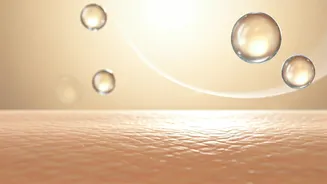
At the heart of the skinimalism trend is a single, fundamental concept: hydration. It's the secret to the plump, glowing, and resilient skin everyone is after. But it's important to distinguish hydration (the water content of your skin cells) from moisturization (the oil content, which seals water in). Dehydrated skin can affect anyone, even those with oily complexions, and often leads to a dull appearance, pronounced fine lines, and a rough texture. In fact, when skin lacks water, it can overproduce oil to compensate, potentially leading to more breakouts. Properly hydrated skin, on the other hand, functions better. Its protective barrier is stronger against pollutants and irritants, it heals faster, and it has improved elasticity and a natural radiance.
The Hydration Power Players
To effectively hydrate your skin, you don't need a dozen products, just a few with the right ingredients. These are the workhorses of hydration that you'll want in your simplified routine. Hyaluronic Acid is a famous humectant, capable of holding up to 1,000 times its weight in water, making it a master at plumping the skin's surface. Glycerin is another reliable humectant that draws moisture into the skin and is well-tolerated by most skin types. Ceramides are lipids that are naturally part of your skin barrier. Adding them to your routine helps strengthen this barrier, locking in moisture and protecting against irritation. Other effective hydrators to look for include Panthenol (Pro-Vitamin B5), Niacinamide (which also helps with barrier function), and Squalane, a lightweight oil that mimics the skin's natural sebum.
Build Your Simplified, Hydrating Routine
Ready to embrace simplicity? Dermatologists largely agree that an effective routine can be built on just a few core pillars. For your morning routine, think: Cleanse, Treat, Moisturise, and Protect. In the evening, it's just: Cleanse, Treat, and Moisturise. 1. Cleanse: Use a gentle, non-stripping cleanser to remove impurities without disrupting your skin barrier. For makeup and sunscreen users, a double cleanse at night—starting with an oil-based cleanser—is highly effective. 2. Treat (Optional but Recommended): This is where you target specific concerns. A hydrating serum containing hyaluronic acid or glycerin is a perfect choice for this step. Apply it to damp skin to maximize its effect. 3. Moisturise: Apply a moisturiser suited to your skin type (lightweight for oily, richer for dry) to lock in the hydration from your serum and keep the skin barrier healthy. 4. Protect (Morning Only): This is non-negotiable. Finish your morning routine with a broad-spectrum sunscreen of SPF 30 or higher to protect your skin from sun damage, the leading cause of premature aging.
Hydration From the Inside Out
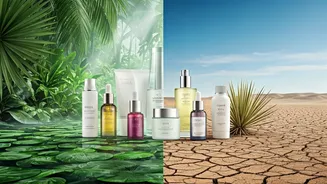
Topical products are crucial, but true skin hydration is a holistic effort. Lifestyle factors play a significant role in how your skin looks and feels. Staying hydrated by drinking enough water throughout the day is fundamental, as it helps flush toxins and deliver nutrients to your skin cells. Your diet also matters. Incorporating water-rich foods like cucumbers, watermelon, and oranges can boost your skin's hydration from within. These foods are also often packed with vitamins like Vitamin C, which supports collagen production and skin resilience. Finally, factors like a dry environment can strip moisture from the skin; using a humidifier, especially during colder months, can help counteract this effect and support your skin's moisture levels.