
India’s Next Great Space Adventure
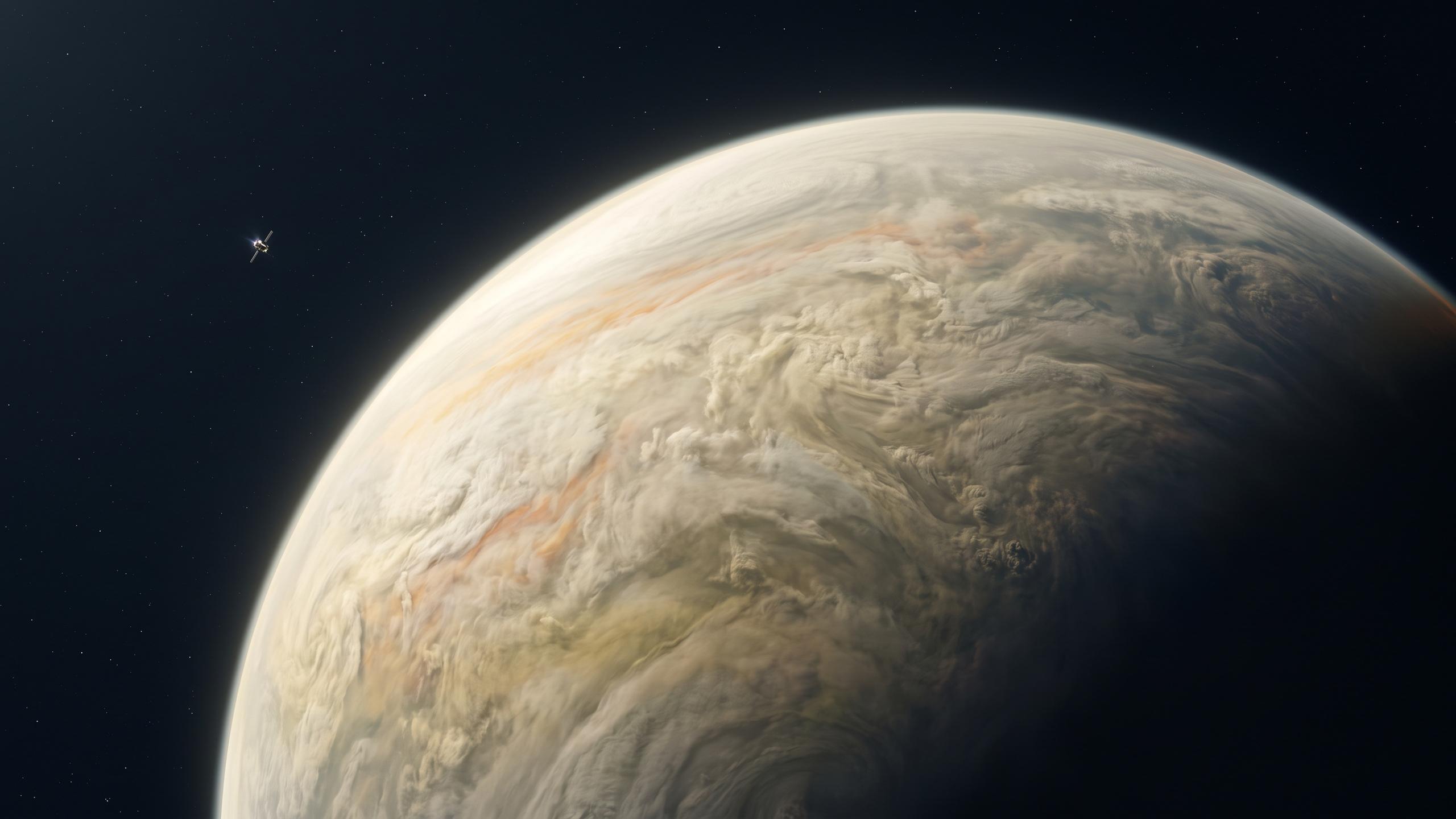
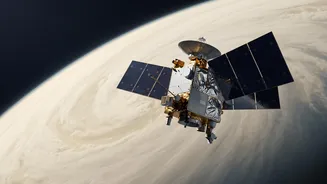
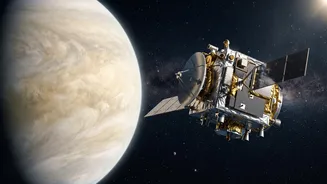
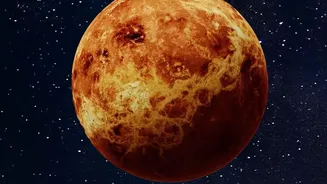
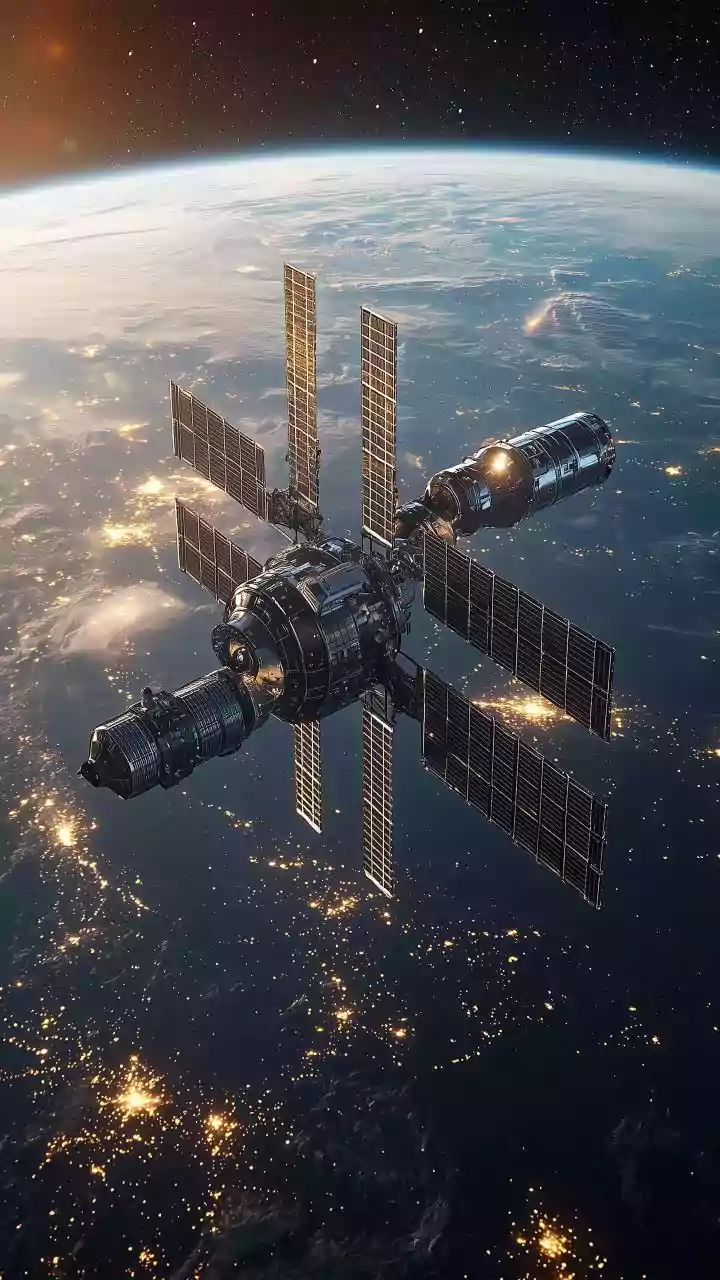
Following the landmark successes of the Chandrayaan lunar missions and the Mangalyaan Mars orbiter, ISRO is setting its sights on the second planet from the sun. The Venus Orbiter Mission, officially named Shukrayaan, was formally approved by the Indian
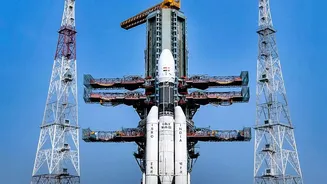
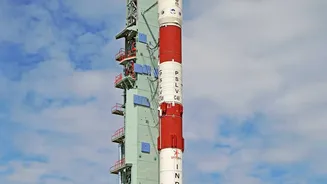
government in September 2024. With a launch targeted for March 2028 aboard the powerful LVM-3 rocket, the mission marks India's second foray into interplanetary exploration. After a 112-day journey, the spacecraft is scheduled to enter a large elliptical orbit around Venus in July 2028. From there, it will perform a series of complex aerobraking maneuvers—a first for ISRO—using the planet's upper atmosphere to gradually lower its orbit into the ideal position for scientific study. This mission places India among a select group of nations actively targeting Venus, joining a renewed global interest in understanding our planetary neighbour.
Why Venus? Earth’s Twin Gone Wrong
Venus is a planet of profound scientific importance because it offers a glimpse into an alternate evolutionary path for a terrestrial world. It is similar to Earth in size, mass, and density, suggesting they may have formed under similar conditions. Yet today, Venus is the most hostile planet in the solar system. It suffers from a runaway greenhouse effect, with a thick, toxic atmosphere primarily made of carbon dioxide that has cooked its surface to temperatures hot enough to melt lead. Its atmospheric pressure is over 90 times that of Earth's, equivalent to being nearly a kilometre deep in our ocean. Understanding why and how Venus diverged so dramatically from Earth is a critical objective for planetary science and offers invaluable lessons for climate change models on our own world. The planet's mysteries, from its super-rotating atmosphere to its volcanic plains, hold clues about habitability and planetary evolution that Shukrayaan aims to unlock.
A Toolkit for Unlocking Cloud Secrets
To peer beneath the thick, unbroken layer of sulfuric acid clouds, Shukrayaan will carry a sophisticated suite of approximately 19 scientific instruments, with a combined weight of around 100 kilograms. These payloads are a mix of Indian-developed technology and international collaborations with Russia, France, Sweden, and Germany. The headline instrument is a high-resolution Synthetic Aperture Radar (SAR), which can penetrate the clouds to map the Venusian surface with much greater detail than NASA's Magellan mission in the 1990s. Another groundbreaking instrument is a ground-penetrating radar, a world-first for Venus, designed to study the planet's subsurface geology. Critically for atmospheric science, the payload includes instruments like the Venus Infrared Atmospheric Gases Linker (VIRAL), a collaboration with Russia and France. This sensor, along with others, will analyze the chemical composition of the atmosphere, looking for key gases and trying to solve long-standing puzzles.
Hunting for Answers in a Toxic Sky
One of Shukrayaan’s primary goals is to study the unexplored dynamics of Venus's cloud chemistry. For decades, scientists have been puzzled by the presence of an 'unknown UV absorber'—a mysterious substance in the clouds that absorbs ultraviolet light, creating dark patches visible to probes. Recent studies suggest this could be a combination of iron and sulfur-based minerals, but direct observations are needed for confirmation. Shukrayaan's spectrometers will be able to analyse the atmosphere at various wavelengths to identify these chemical constituents. The mission will also investigate the controversial 2020 detection of phosphine gas in the Venusian clouds. On Earth, phosphine is associated with biological activity, and while its presence on Venus is highly debated, Shukrayaan’s instruments are capable of searching for it and other potential biomarkers in the more temperate upper atmosphere. By providing a comprehensive, global map of atmospheric phenomena, the mission aims to provide definitive data where previous missions had only limited coverage.