





The New Travel Itinerary
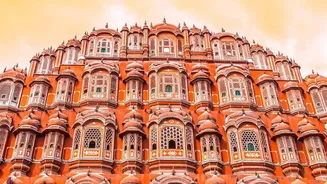
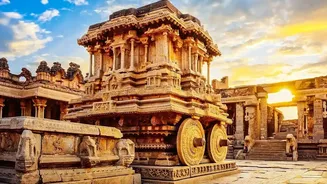
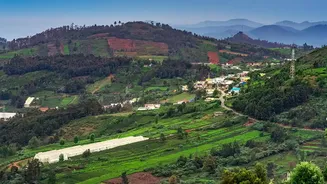
For generations, travel in India was often synonymous with visiting historical landmarks. The itinerary was a predictable circuit of forts, palaces, and temples. While these sites remain cherished, a significant shift is underway. Today's traveller is asking
different questions. It is no longer just, 'Where should we go?' but 'What can we experience?'. The answer, increasingly, is found in food and festivals. Recent reports highlight a clear trend: a majority of Indians are now planning trips around cultural experiences, with regional cuisine and local festivals being major draws. This marks a move from passive sightseeing to active participation, where the goal is to immerse oneself in the life of a destination.
The Hunger for Authenticity
So, what's driving this change? A key factor is the desire for authenticity, especially among Millennial and Gen Z travellers. This demographic prioritises unique experiences and creating lasting memories over simply collecting photos. Social media also plays a huge role, with food bloggers and travel influencers showcasing hyperlocal culinary gems and vibrant festivals, inspiring their followers to seek out these experiences for themselves. According to a recent Skyscanner report, social media and the popularity of food trails are among the biggest influences encouraging travellers to explore destinations through their cultural offerings. The result is a traveller who is more curious, adventurous, and eager to connect with local traditions on a deeper level.
A Festival-Driven Calendar
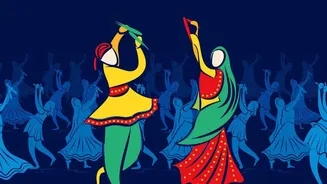
India hosts over a thousand unique festivals annually, and these events are becoming powerful tourism magnets. A recent study found that 72% of Indian travellers would consider planning a holiday specifically to attend a major cultural or religious festival. Events like Durga Puja in Kolkata, Ganesh Chaturthi in Mumbai, the Hornbill Festival in Nagaland, and the Rann Utsav in Gujarat are no longer just local celebrations; they are major travel events drawing visitors from across the country and the world. Travellers are planning their trips months in advance to coincide with these 'once-in-a-year' experiences, transforming them from an afterthought into the main reason for the journey.
Tasting the Destination
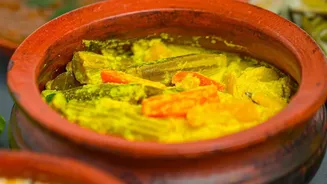
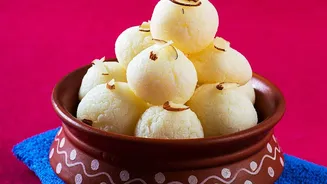
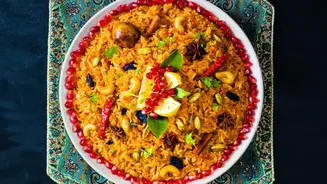
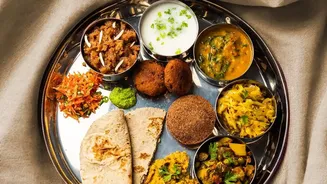
Alongside festivals, food has become a primary travel motivator. The culinary tourism market in India is expanding rapidly, with some forecasts projecting a compound annual growth rate of over 15% for the coming decade. For a large percentage of travellers, regional food experiences are now a top reason to plan a trip. This goes beyond just eating at restaurants. Travellers are actively seeking out food walks in bustling city streets, signing up for cooking classes to learn ancestral recipes, and exploring local markets. Destinations are becoming famous not just for their sights but for their flavours—think kebabs in Lucknow, biryani in Hyderabad, or the seafood trails of Kerala. This trend highlights a desire to connect with a place's identity through its most essential element: its food.
More Than Just a Trip
This shift towards experiential travel has a positive impact that extends beyond the traveller. By prioritising local food and events, tourists are directly supporting regional economies, small-scale vendors, and artisans. It encourages the preservation of culinary heritage and traditional crafts that might otherwise be lost. Furthermore, it spreads tourism's benefits to smaller, tier-two and tier-three towns that offer unique cultural experiences beyond the usual metro circuit. This conscious form of travel fosters a more sustainable and meaningful connection between visitors and the communities they explore, turning a simple holiday into an enriching exchange.