



A Warming Warning from the Pacific
El Niño, Spanish for “the little boy,” refers to the unusual warming of the sea surface in the central and eastern equatorial Pacific Ocean. This isn't just a local weather event; it's a large-scale climate disruption that alters atmospheric circulation
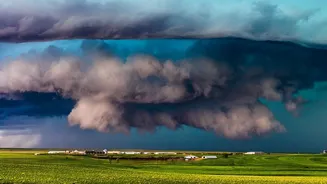
patterns globally. For India, this change is critical because it weakens the Walker Circulation, an atmospheric conveyor belt that typically drives moisture-laden winds towards the subcontinent. When this system is disturbed, the force of the southwest monsoon, the lifeblood of India's agricultural calendar, is often diminished. Historically, El Niño years have a strong correlation with below-normal rainfall and even drought conditions in India, making its forecast a subject of intense scrutiny for policymakers and farmers alike.
India's Monsoon Lifeline Under Threat
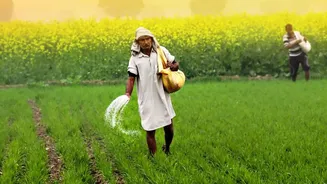
The Indian economy is deeply intertwined with the fate of the monsoon. A significant portion of the country's agriculture is rain-fed, meaning it has no access to irrigation and depends entirely on seasonal rains. A weak monsoon triggered by El Niño can lead to reduced sowing of essential Kharif crops like rice, pulses, and cotton. The impact isn't just about lower overall rainfall; El Niño can also cause erratic distribution, with long dry spells punctuated by intense, flood-inducing downpours in some areas. This paradox of 'drier yet more dangerous' weather makes farming unpredictable, threatening crop yields and the livelihoods of millions who depend directly on agriculture. The effects cascade quickly, impacting water availability in reservoirs, which is crucial for drinking water, industrial use, and hydropower generation.
From Fields to Markets: The Economic Ripple Effect
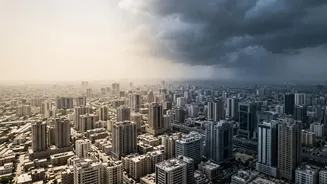
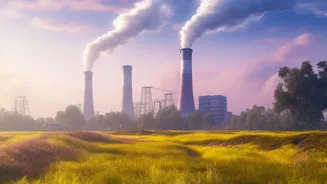
The consequences of a poor monsoon extend far beyond the farm gate. Lower agricultural output directly translates to pressure on food prices, stoking food inflation that affects every household. This can compel the Reserve Bank of India to adjust its monetary policy. Furthermore, diminished farm incomes lead to a contraction in rural demand for everything from consumer goods and two-wheelers to tractors. The government often faces increased fiscal pressure, with higher potential spending on food subsidies, rural employment schemes, and crop insurance payouts to cushion the blow. The energy sector also feels the strain, as reduced reservoir levels curb hydropower output, potentially increasing reliance on coal to meet the country's power demands.
Lessons in Resilience: A Blueprint for Action
The recurring threat of El Niño offers a clear lesson: India must move from a reactive crisis-management mode to a proactive strategy of building long-term resilience. One of the most critical areas for investment is water management and irrigation. Expanding micro-irrigation systems, improving the efficiency of canals, and promoting rainwater harvesting through ponds and check dams can help insulate agriculture from rainfall deficits. The government's push for District Agriculture Contingency Plans, which prescribe measures like using alternative, short-duration, and low-water crops such as millets and oilseeds, is a step in the right direction. These plans, coupled with timely scientific advisories from institutions like the Krishi Vigyan Kendras, empower farmers to make informed decisions.
Building Buffers and Looking Ahead
India has become better at absorbing agricultural shocks than it was in the past. Strategic food grain reserves can soften the immediate blow of production shortfalls on inflation. The government has also stressed a multi-layered preparedness strategy involving close coordination with state governments, securing stocks of seeds and fertilisers, and leveraging safety nets like crop insurance and direct income support for farmers. However, with climate models suggesting that extreme weather events may become more frequent and intense, the challenge is continuous. The El Niño signal is not just a weather forecast; it is a call to action to accelerate innovation, strengthen infrastructure, and create a more robust and climate-resilient agricultural economy for the future.