



First, The Practicalities
Before you even think about routes, a little planning goes a long way. The best time to cycle in Malta is during the spring (March-May) and autumn (September-November), when the weather is sunny and warm without the intense heat of summer. Winter is also
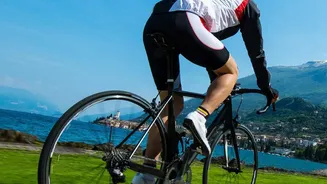
an option, with mild daytime temperatures, though you might encounter some rain. Key items to pack include padded cycling shorts, breathable layers, a lightweight waterproof jacket, sunglasses, and high-factor sunscreen. A helmet is strongly recommended, though not legally required. While Malta is small, the terrain is hilly, so a reasonable level of fitness is needed. However, the gradients are often mild, and the views from the high ground are well worth the effort.
Hiring Your Bike
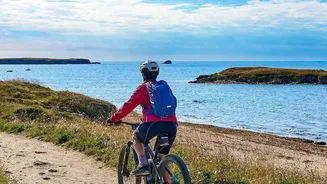
Unless you're a professional bringing your own gear, renting is the most convenient option. Bike rental shops are common in tourist hubs like Sliema, St. Julian's, and Bugibba, as well as on Gozo. Daily rates for a standard bike range from €10 to €20. Given Malta's hilly landscape, consider hiring an e-bike (€25–€45 per day) to make the climbs more manageable. Several operators offer a range of road bikes, mountain bikes, and e-bikes, with some providing delivery services. For short, one-way trips in and around the capital, the Tallinja Bike share scheme is another useful option with docking stations in key locations. Always check what the hire includes, such as a helmet, lock, and basic repair kit.
Gozo: The Quieter Choice
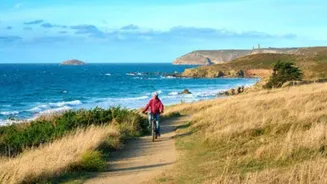
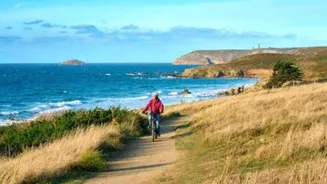
Many experienced cyclists agree that Gozo, Malta's sister island, is the real star of the show. Its roads are significantly quieter with less traffic, the landscape is greener, and the overall pace of life is more relaxed, creating a safer and more enjoyable cycling environment. A popular option is the 40-45 km coastal loop, a full-day ride that takes you past breathtaking cliffs, hidden coves, and ancient salt pans. The route can take you through key landmarks like the Ta' Pinu Shrine and the coastal villages of Marsalforn and Xlendi. You can start the loop from Mġarr Harbour, where the ferry from Malta arrives, making it a seamless day trip or the perfect start to a longer Gozo stay.
Malta’s North Coast Route
On the main island of Malta, one of the most scenic coastal rides is in the north. A popular route runs from Mellieħa towards Ċirkewwa, the location of the Gozo ferry terminal. This area offers beautiful views and relatively quiet roads. A circular route starting in Mellieħa can take you past Tal Mistra Battery, an 18th-century fortification, with views over St. Paul's Bay. You can also explore the route from Rabat to the famous Golden Bay, a 12 km ride that passes through agricultural land before arriving at one of the island's best sandy beaches for a well-deserved swim. Be aware that while scenic, some of these northern routes feature moderately difficult inclines.
Malta’s Southwest Coast: Cliffs and Temples
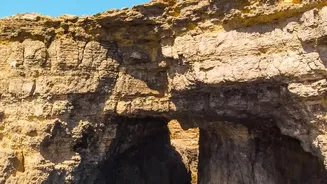
For dramatic scenery, the southwest coast is unbeatable. A classic route runs from the ancient, walled city of Mdina to the Dingli Cliffs, the highest point in Malta at around 250 metres above sea level. This short 10.5 km ride passes through the village of Rabat and offers stunning panoramic sea views from the clifftop. From Dingli, you can continue along the coast towards the Blue Grotto and the prehistoric temple complexes of Ħaġar Qim and Mnajdra, which are older than the pyramids. This stretch of coastline is defined by its wild, rugged beauty and allows you to combine a challenging ride with visits to some of Malta's most important historical sites.
Navigating The Roads
While Malta’s cycling infrastructure is developing, it's important to be prepared. Traffic can be heavy in urban areas, and drivers can be assertive. It's often best to ride early in the morning (6-9 am) to avoid the worst of the traffic and heat. Remember that traffic drives on the left. While some main roads have cycle lanes, your best experiences will be on the quieter secondary roads and country lanes that crisscross the island. Using a GPS app with pre-loaded routes is highly recommended to help you navigate these smaller roads and stay on track.