






The Recipe That Isn't Written
In many Indian kitchens, the guiding principle is ‘andaaz,’ a term that loosely translates to estimation or intuitive judgment. This philosophy suggests that cooking is a sensory experience, a conversation between the cook, the ingredients, and those
who will be eating. Recipes passed down through generations are more like templates than rigid rules. They are learned through observation, as children watch their mothers and grandmothers navigate the spice box not with measuring spoons, but with a confident pinch of this and a handful of that. This approach allows for flexibility, accommodating seasonal produce, personal preference, and the specific needs of the day, whether it's a simple family meal or a dish to soothe someone who is unwell. It's a culinary tradition that values rhythm and feeling over exactitude.
Dal: The Soul of the Indian Meal
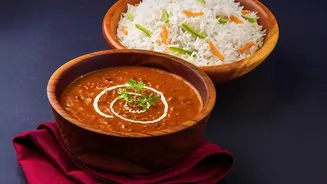
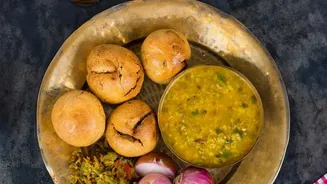
No dish better exemplifies this principle than dal. A staple across the subcontinent, dal is a preparation of lentils or pulses that appears on dining tables in thousands of variations. The choice of lentil itself offers a world of possibilities, from the quick-cooking Masoor dal (red lentils) to the hearty Urad dal (black gram). The preparation changes from state to state and even from house to house. In Punjab, Dal Makhani is a rich, creamy affair, slow-cooked for hours with butter and cream. Travel east to Bengal, and you might find Cholar Dal, a sweet and savory version made with chana dal, coconut, and raisins. A simple weekday dal might be thin and soupy, while a festive version could be thick and richly tempered with ghee and whole spices in a process called tadka. The same cook might make dal differently on two consecutive days based on mood, weather, or what’s left in the pantry, proving that its identity is fluid and deeply personal.
Khichdi: A Story of Comfort and Adaptation
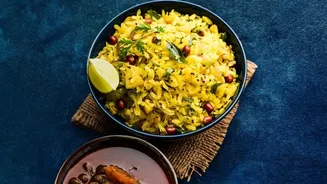
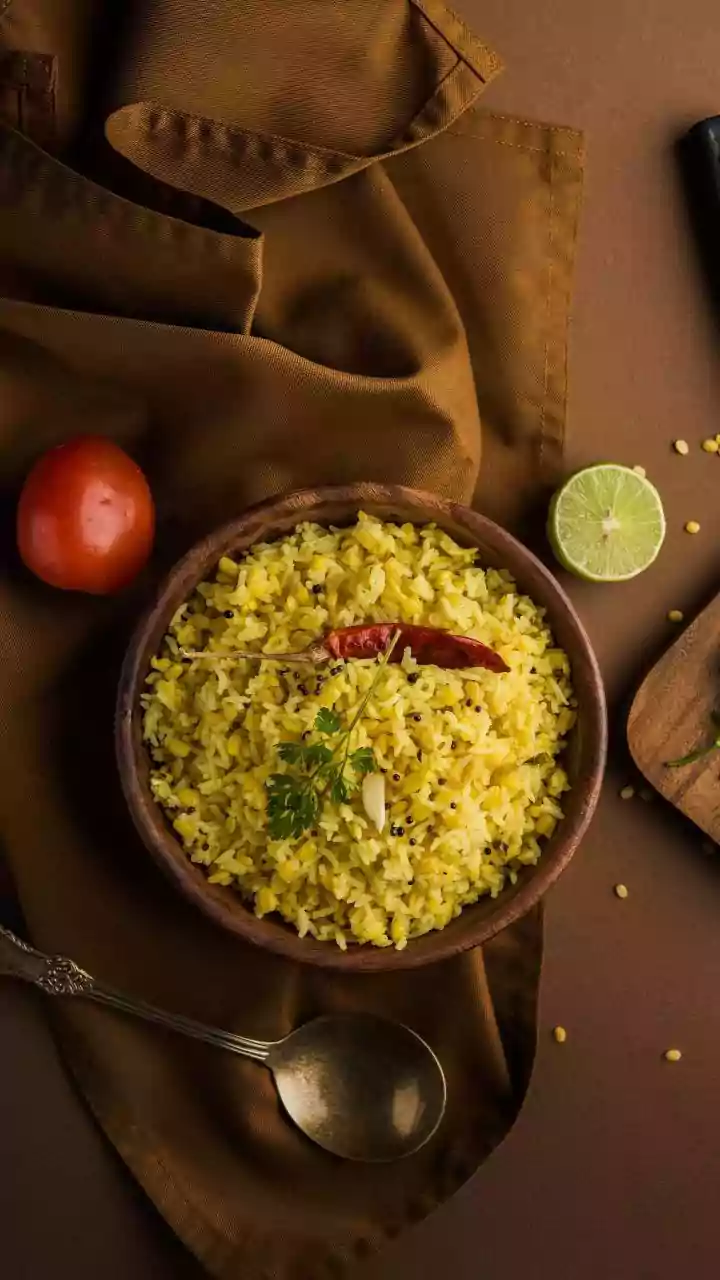
Another hero of adaptability is khichdi, a humble one-pot meal of rice and lentils. Its history is ancient, with mentions in texts dating back centuries and evidence of its preparation found in archaeological sites from 2,000 years ago. At its core, khichdi is simple, nourishing, and easy to digest, making it a go-to comfort food. But its simplicity is also its strength, allowing for endless improvisation. In Gujarat, it might be served with a sweet-and-sour kadhi. In Bengal, the bhog-er khichuri served during festivals is a richer version, laden with vegetables and fragrant spices. The Mughals elevated it to a gourmet dish fit for royals. From a sick-day meal to a celebratory feast, khichdi adapts to every occasion, absorbing the flavors of its region and the intentions of its cook.
Sabzi: The Art of the Everyday
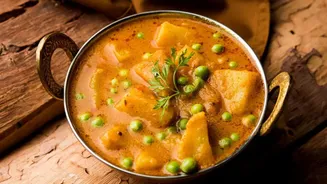
The concept extends beyond lentils and rice to the vast universe of ‘sabzi,’ or vegetable dishes. A recipe for a specific sabzi, like 'aloo gobi' (potato and cauliflower), might exist in a cookbook, but in a home kitchen, its final form is dictated by circumstance. The type of onion, the tartness of the tomatoes, the freshness of the ginger, and the specific blend of spices in the masala box all play a role. A home cook instinctively knows to adjust—a little more turmeric for color, a pinch of sugar to balance the tomatoes, or a different tempering to complement a change in season. This intuitive process is why the same dish can taste subtly different every time it is made, yet always feel familiar and right. It’s a testament to a cooking style that is alive and responsive, a direct contrast to the industrial predictability of standardized recipes.