





Choose Monsoon-Ready Plants
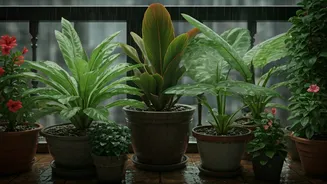
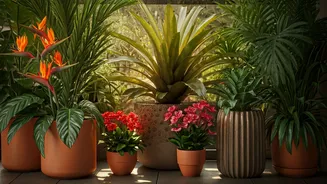
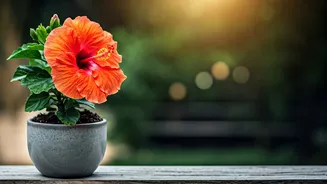
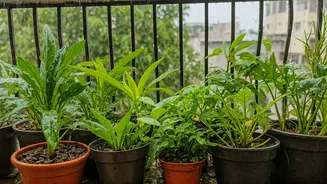
The single most important decision is choosing plants that love humidity and don't mind a good soak. Avoid succulents and cacti, which rot in constant moisture. Instead, opt for tropical beauties. Hibiscus and Jasmine (Mogra) are classic choices that bloom
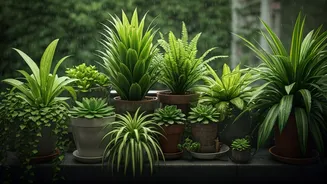
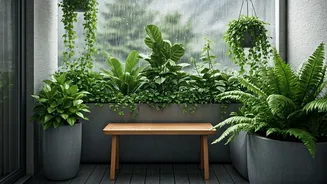
profusely during this time. For vibrant colour, consider Balsam (gul mehndi), Marigolds, and Zinnias. If you have a shadier spot, ferns, peace lilies, and anthuriums are excellent options that thrive in high humidity and indirect light. For a low-maintenance choice that adds texture, the Spider Plant is a champion, producing new 'babies' fastest during the monsoon.
Prioritise Excellent Drainage
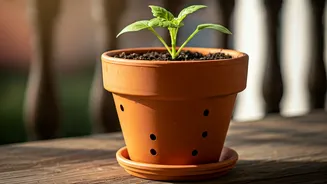
Waterlogging is the number one killer of potted plants during the monsoon. Your first line of defence is the pot itself. Ensure every container has at least one, if not multiple, drainage holes. Before the rains begin, check to make sure these holes aren't blocked by hardened soil or old roots. Elevating your pots on stands or even simple bricks is a game-changer. This lifts them off wet floors, allows water to drain freely, and improves air circulation around the roots. It’s also wise to remove the saucers or plates from underneath your pots during heavy rain spells to prevent them from sitting in a pool of stagnant water.
Perfect Your Potting Mix
Heavy garden soil holds too much water for container gardening, especially during the monsoon. Your plants need a lighter, well-draining potting mix. A good formula is a mix of regular soil, compost for nutrients, and something to create air pockets and improve drainage. Cocopeat and perlite are excellent for this. You can also add a handful of sand or fine gravel to the mix. Another useful tip is to add a layer of broken pottery pieces (crocks) or small stones at the bottom of the pot before filling it with soil, creating a space for excess water to collect away from the roots.
Location, Location, Location
Even rain-loving plants can be damaged by the force of a direct, heavy downpour, which can also erode topsoil from pots. If possible, move your pots to a spot that gets gentle rain but is shielded from the most intense torrents, such as under an eave or a covered section of your balcony. Pay attention to sunlight as well. With cloudy skies, the light will be less intense. Plants that normally need shade might appreciate a brighter spot, while sun-lovers may need to be moved to the most open area of your balcony to get their fill.
Rethink Your Watering Schedule
It seems obvious, but it’s a common mistake: do not water your plants on a fixed schedule during the monsoon. The air is humid and the soil will dry out much slower. Always check the soil before watering. Stick your finger about an inch or two into the soil; if it feels cool and damp, your plant does not need more water. More plants die from overwatering than underwatering during the rainy season. Let the rain do the work for you and only intervene during extended dry spells.
Guard Against Pests and Fungi
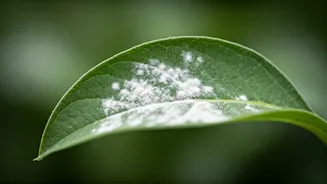
The damp, humid conditions of the monsoon are a breeding ground for fungal diseases and pests. Good air circulation is key to prevention, so avoid overcrowding your plants. Pruning your plants at the beginning of the season helps improve airflow and encourages healthy new growth. For a natural and effective fungicide, you can spray a diluted neem oil solution on the leaves and soil every 10-15 days. Regularly inspect the undersides of leaves for any signs of pests and remove any yellowing or rotting leaves immediately to prevent problems from spreading.
Bring the Greenery Indoors
Why limit your green corner to the balcony? The monsoon is a perfect time to cultivate an indoor oasis. Plants like Anthuriums, various Hoyas, Peace Lilies, and Spider Plants do exceptionally well indoors, appreciating the stable temperature and indirect light. Grouping a few plants together on a stand or near a window creates a micro-environment with increased humidity that they will love. This not only protects them from the elements but also brings the lush, fresh feeling of the monsoon right into your living space, purifying the air and boosting your mood on a grey day.