



The Twin Threats in Your Pantry
Humidity and insects are the primary culprits behind food spoilage in Indian homes. High humidity, which can reach 70-90% during monsoon season, creates the perfect breeding ground for mould and bacteria. It causes dry goods like biscuits, chips, and namkeen
to lose their crunch, while powders such as flour, spices, and salt absorb moisture and form hard lumps. This moisture also attracts pests like weevils, flour beetles, and ants, which seek out damp environments. These insects don't just consume your food; they contaminate it with droppings and webbing, rendering it unsafe to eat and leading to significant waste. Many infestations actually begin from eggs already present in packaged foods, which then hatch and thrive in improperly sealed containers.
How Sealed Containers Form a Fortress
A truly airtight container creates a secure barrier, defending your food on two fronts. Firstly, it physically blocks pests from getting in. Insects like grain beetles and ants can't chew through glass or thick plastic, and a tight seal prevents them from slipping through gaps. Secondly, it seals out the surrounding air and, more importantly, the moisture it carries. By preventing humid air from coming into contact with dry foods, these containers stop the oxidation process that makes food go stale and prevents the clumping that ruins flours and spices. The lack of oxygen also slows down the growth of aerobic bacteria and mould, extending the shelf life of your ingredients significantly. What makes a container truly airtight is a silicone or rubber gasket in the lid, which creates a hermetic seal that simple snap-on lids cannot match.
Choosing Your Storage Arsenal Wisely
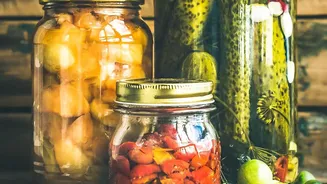
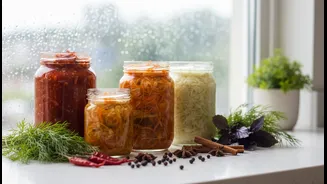
Not all containers are created equal, and the best material often depends on what you're storing. Glass jars are an excellent choice for spices, pickles, and snacks. Glass is non-reactive, meaning it won't absorb odours or stain from potent masalas, preserving the original flavour and aroma of the contents. Their transparency also makes it easy to identify what's inside. For bulk items like rice, atta (flour), and dals, food-grade stainless steel or high-quality BPA-free plastic containers are more practical. Steel is extremely durable, blocks light that can degrade food, and is a traditional, hygienic choice in Indian kitchens. Modern food-grade plastic is lightweight, affordable, and often stackable, which is a huge advantage in kitchens with limited cabinet space. When choosing plastic, always ensure it is labelled 'BPA-free' and 'food-grade'.
A Shield for Spices and Flours
Spices and flours are particularly vulnerable to spoilage and deserve special attention. The essential oils that give spices like turmeric, cumin, and garam masala their potent aroma and flavour degrade quickly when exposed to air and humidity. Storing them in small, airtight glass jars is the best way to keep them fresh and powerful for months. Whole wheat atta is another sensitive item because the oils in the bran can go rancid quickly in warm, humid conditions. For maximum freshness during the monsoon, consider storing your atta in an airtight container inside the refrigerator. Similarly, lightly dry-roasting semolina (sooji/rava) before storing it in a sealed container helps remove excess moisture and dramatically increases its shelf life.
Common Storage Mistakes to Avoid
Simply owning airtight containers isn't enough; using them correctly is key. One common mistake is not transferring items from their original packaging. Paper bags and cardboard boxes offer little protection against pests and moisture. Another error is storing hot or warm food in a sealed container, which can create condensation and encourage bacterial growth. Always let food cool completely first. Using a wet spoon to scoop out spices or flour is another sure way to introduce moisture and cause spoilage. Finally, avoid mixing old and new batches of the same food; if the old batch has any unseen pest eggs, you'll contaminate the entire container. Always wash and thoroughly dry containers before refilling them with a new batch of food.