


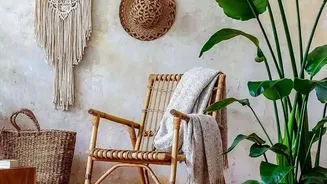
The Psychology of Natural Materials
There's an innate reason we feel calmer and more at ease in spaces that feature natural elements. This concept, known as biophilic design, suggests humans have an inherent desire to connect with nature. Incorporating wood into our homes taps into this,
with studies showing that natural materials can help reduce stress and improve mood. Unlike cold, synthetic materials, the organic grain, varied tones, and unique imperfections of wood evoke a sense of tranquility and stability. Each knot and line in a piece of wood tells a story, bringing an element of the living world indoors and creating an atmosphere that is both nurturing and visually soothing.
Understanding the Types of Wood
The term 'rustic' covers a wide spectrum of styles, each suited to different types of wood. For a classic farmhouse look, consider pine, known for its light color and visible knots that lend an authentic, charming appeal. Oak is a durable favorite, celebrated for its prominent grain and warm, honey-toned appearance that deepens over time. For a more dramatic and durable option, hickory offers significant color variation from pale to deep brown. Reclaimed wood, salvaged from old structures, brings unparalleled character and history to any piece. Darker woods like walnut can introduce a high-end feel with rich tones and depth, while woods like cherry offer a sophisticated, reddish-brown warmth.
Start With a Statement Anchor
Incorporating rustic decor doesn't require a complete overhaul. The most effective approach is to start with a single, significant statement piece to anchor the room. This could be a large, solid wood dining table that becomes the heart of your home, a reclaimed wood mantelpiece that draws the eye, or a live-edge headboard that brings organic texture into the bedroom. This anchor piece sets the tone and acts as a focal point. By choosing one standout item, you establish the rustic theme without overwhelming the space, allowing you to build the rest of the room's decor around it gradually and thoughtfully.
Incorporate Smaller Wooden Accents
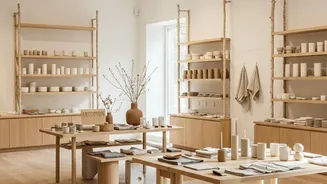
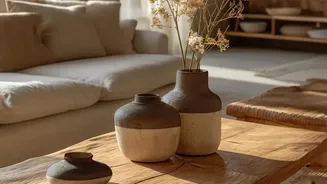
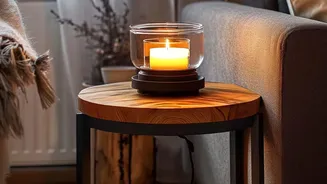
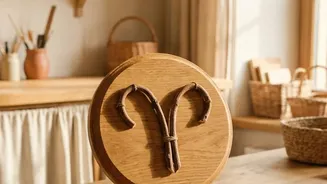
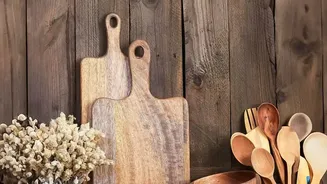
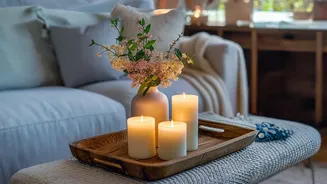
Once you have your anchor, the real fun begins with layering in smaller details. These accents are where you can add personality and texture without a major commitment. Think about wooden floating shelves on a plain wall, a set of handcrafted picture frames, or a large wooden bowl as a centerpiece. Even smaller items like wooden coasters, serving trays, or lamp bases can contribute to the overall feeling of warmth. These details help to thread the rustic theme throughout your space, creating a cohesive and lived-in look that feels intentionally curated rather than staged.
Balance Is Key: Mix Textures and Materials
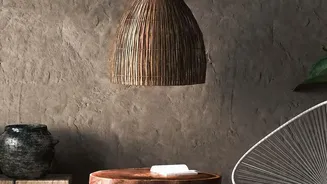
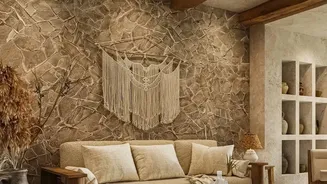
A common concern with rustic decor is that it can appear heavy or dated. The key to a modern rustic look is balance. Avoid a monotonous, wood-on-wood look by mixing materials and textures. Pair a rough, reclaimed wood table with sleek metal chairs or fixtures. Soften the ruggedness of wood with plush textiles like wool throws, linen curtains, and jute or sisal rugs. Combining wood with other natural materials like stone and leather also adds depth and interest. This contrast between hard and soft, rough and smooth, is what makes the rustic aesthetic feel fresh, dynamic, and sophisticated in a contemporary home.