


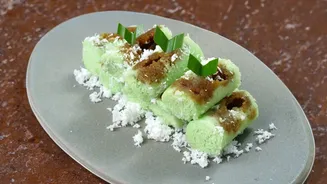
Why Make the Sweet Swap to Jaggery?
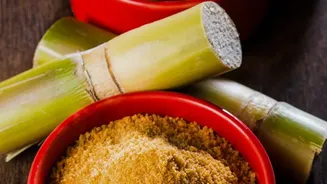
The movement towards jaggery, or 'gur', is driven by a blend of health consciousness and a desire for more complex flavours. Unlike refined white sugar, which is essentially pure sucrose and offers empty calories, jaggery is unrefined. This means it retains
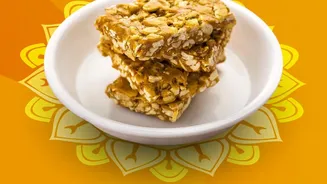
some of the minerals from the sugarcane juice, including small amounts of iron, potassium, and magnesium. Traditional Ayurvedic texts have long praised jaggery for its benefits, such as aiding digestion. While it contains a similar number of calories to sugar, its composition is more complex, leading to a slightly slower energy release. Beyond health, jaggery imparts a rich, caramel or toffee-like flavour to baked goods, a depth that white sugar cannot replicate. This earthy sweetness adds a new dimension to familiar treats.
A Baker's Guide to Jaggery Varieties
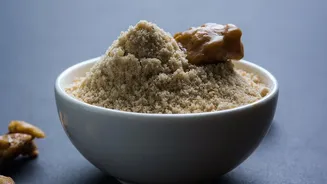
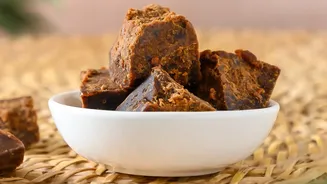
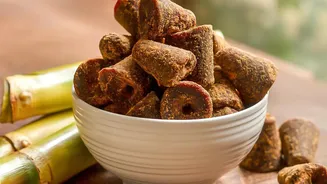
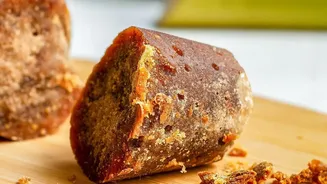
Not all jaggery is the same. The most common type is made from sugarcane juice and is widely available in solid blocks or powdered form. However, there are regional specialties with distinct flavour profiles. Date palm jaggery, known as 'nolen gur' in West Bengal, offers a smoky, almost chocolatey flavour and is a seasonal delicacy. Coconut jaggery, found more in South India, is another popular variant. When you see 'organic' on the label, it generally means the sugarcane was grown without synthetic pesticides and the jaggery was processed without chemical clarifiers. Purer, less-processed jaggery is often darker in colour; a very light or bright yellow hue can sometimes indicate the use of chemicals to alter its appearance. For baking, powdered jaggery is often the easiest to use as it dissolves more readily.
How to Substitute Jaggery for Sugar
Successfully swapping jaggery for sugar in your favourite recipes requires a few adjustments. As a general rule, you can start with a 1:1 substitution by weight. However, jaggery is often considered less sweet, so some sources recommend using slightly more—about 1 and 1/4 cups of jaggery for every 1 cup of sugar if measuring by volume. Jaggery is also hygroscopic, meaning it attracts and retains moisture. This is great for achieving moist, tender cakes and muffins, but it might mean you need to slightly reduce the liquid (like milk or water) in your recipe by a tablespoon or two to prevent the final product from becoming too dense. Because of its natural molasses content and acidity, jaggery can react differently with leavening agents like baking soda, but for most standard recipes, this difference is minimal.
Overcoming Common Baking Hurdles
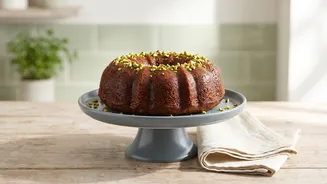
While baking with jaggery is rewarding, there can be a learning curve. One common issue is a denser texture in cakes. This can happen because jaggery's moisture content can weigh down the crumb. To combat this, ensure you are not over-mixing your batter, and consider the 1:1 substitution by weight for better accuracy. Jaggery also gives baked goods a darker, golden-brown colour, so don't be alarmed if your vanilla cake looks more like a caramel cake. This colour makes it a natural fit for chocolate cakes, spice cakes, and whole-wheat bakes where a rustic appearance is desirable. If you find solid jaggery difficult to work with, grate it using a cheese grater or gently warm it to soften before incorporating it into your batter.
Perfect Bakes for Jaggery's Flavour
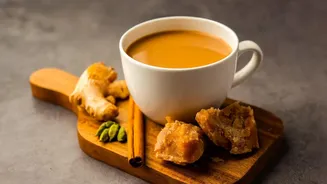
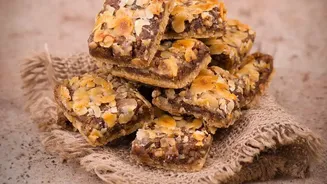
The rich, molasses-like notes of jaggery make it a perfect partner for a wide range of flavours. It shines in recipes that feature warm spices like cinnamon, ginger, nutmeg, and cardamom. Think of moist ginger snaps, spiced muffins, or a traditional whole-wheat atta cake. Its caramel notes are also a wonderful complement to chocolate, making it a great choice for brownies and chocolate chip cookies, where it can create a delightfully chewy texture. Fruit-based bakes, such as apple cakes or banana bread, also benefit from jaggery’s earthy sweetness, which balances the fruit's tartness beautifully. Don't hesitate to experiment, starting with simple recipes like cookies or muffins to get a feel for how it behaves in your oven.